

The best employee perks aren’t just line items on a benefits sheet. They shape how people feel at work. In today’s competitive job market, we’ve seen how thoughtful, people-first perks can boost morale, reduce turnover, and help companies attract the kind of talent that stays.
In this post, we’ll look at the most meaningful perks of 2025 and share practical ideas for building a program your team will genuinely value.
Why Employee Perks Matter
Defining Employee Perks
Employee perks are non-wage benefits that employers offer to enhance the work experience. These perks extend beyond standard benefits like health insurance or retirement plans. They can include flexible work hours, on-site gyms, professional development opportunities, or even pet-friendly offices.
Impact on Employee Satisfaction
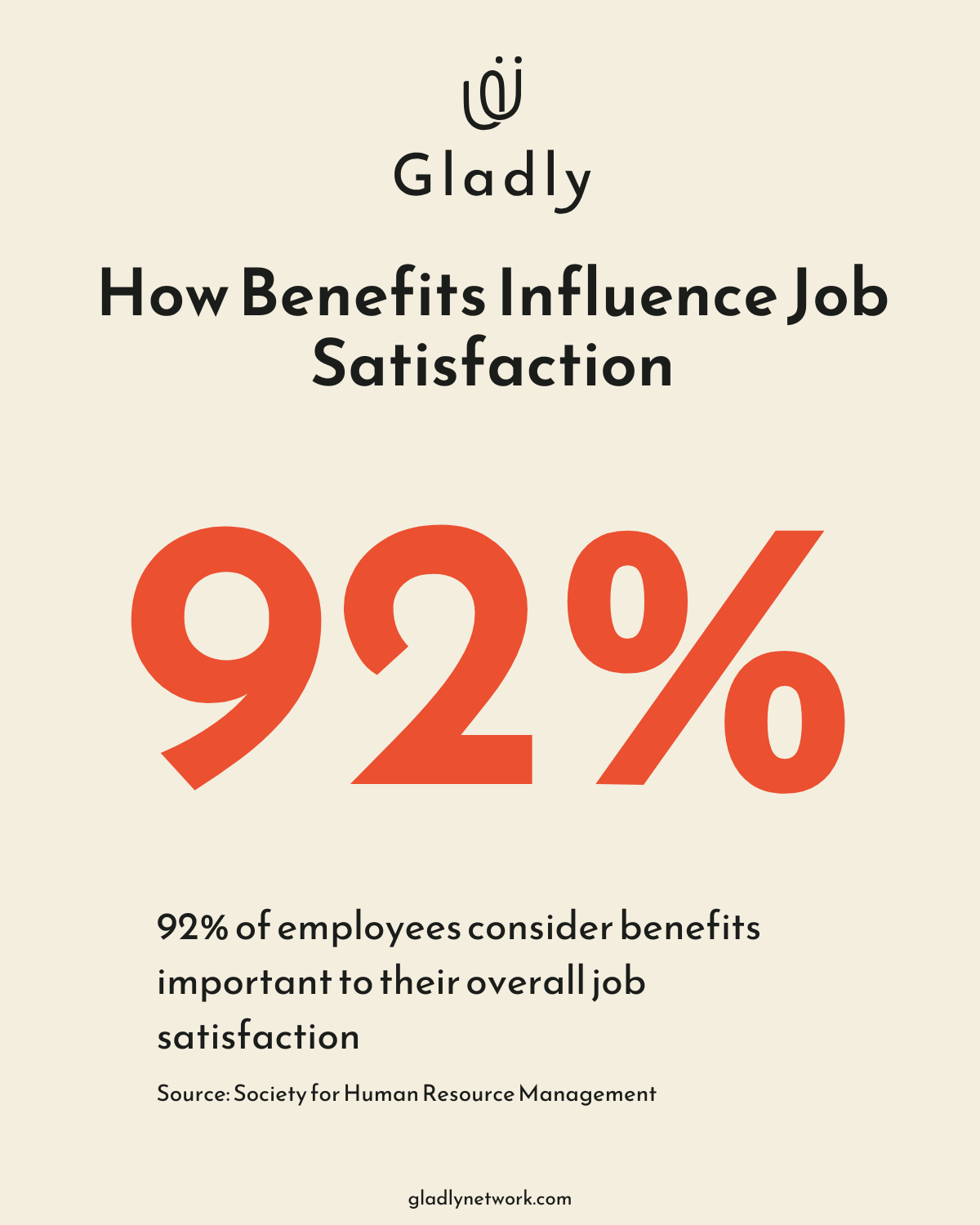
Happy employees become productive employees. A study by the Society for Human Resource Management found that 92% of employees consider benefits important to their overall job satisfaction. When workers feel valued and supported, they show a higher likelihood to exceed expectations for their company.
Retention Rate Boost
High turnover costs companies dearly. Replacing an employee can cost between 50% to 200% of their annual salary (according to Gallup). Thoughtful perks can significantly reduce turnover rates. For example, companies that offer paid parental leave experience a 20% lower turnover rate among female employees.
Talent Attraction
Perks can tip the scales for job seekers. A LinkedIn survey revealed that 63% of job seekers prioritize perks and benefits when evaluating job offers. Unique perks can distinguish your company and attract high-caliber candidates.
The Business Case for Perks
Investing in perks it’s a smart business move. Best-in-Class companies were three times more likely than others to pursue a data-integrative approach to performance management. From increased productivity to improved company reputation, well-chosen perks yield substantial returns.
As we move forward, let’s explore the most popular employee perks in 2025 and how they shape.
Top Employee Perks Shaping the 2025 Workplace
Flexible Work Arrangements
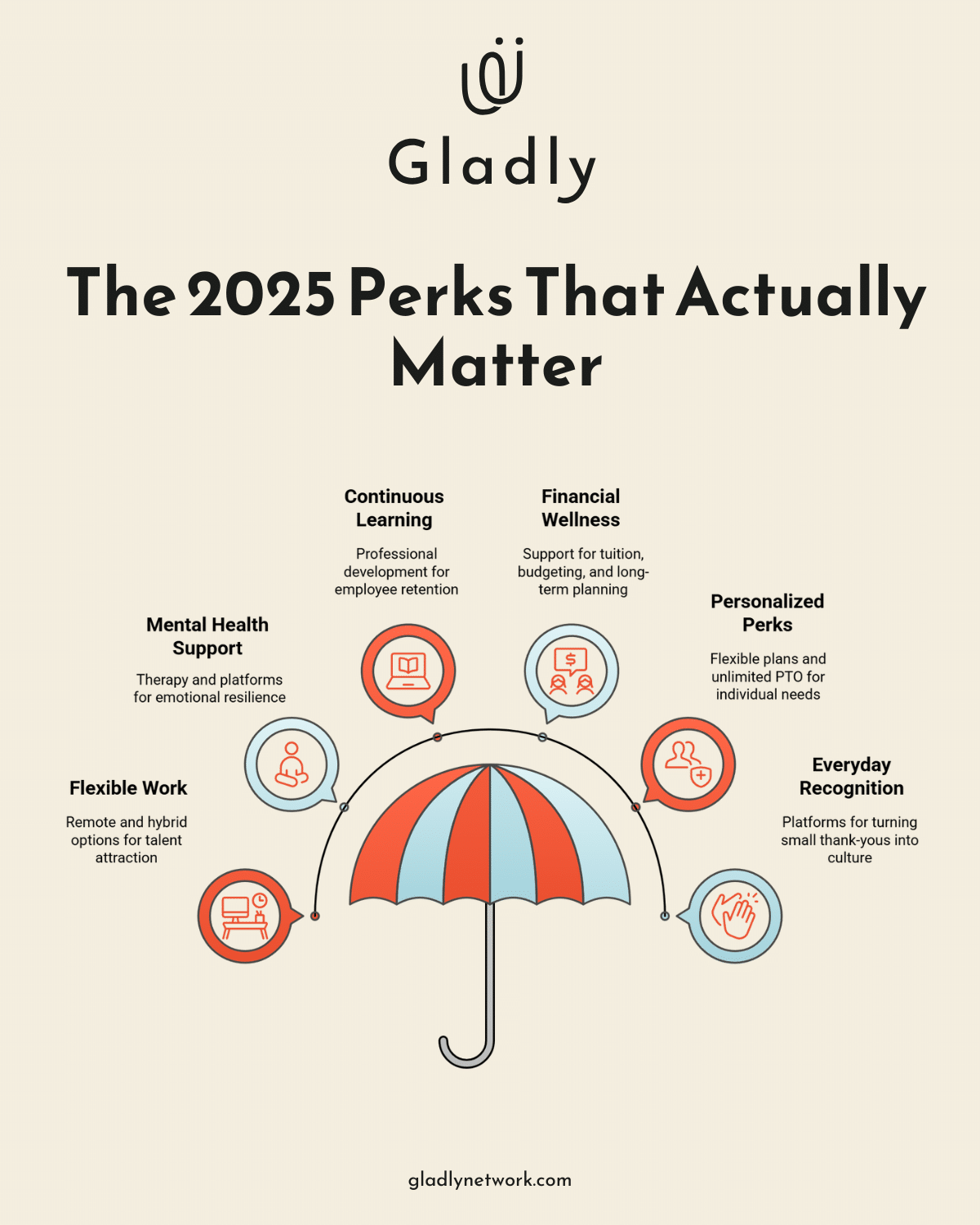
Flexible work arrangements have become a key focus for many companies. As of April 3, 2025, FlexJobs’ quarterly resource tracks the latest remote work statistics and trends in hiring, pay, and workforce priorities. This data provides valuable insights into the evolving landscape of flexible work options and their impact on both employees and employers.
Mental Health Support
Companies now invest heavily in comprehensive wellness programs as awareness of mental health issues rises. These programs extend beyond traditional EAPs to include on-demand therapy sessions, meditation apps, and stress management workshops. The American Psychological Association reports that 87% of employees believe their employer could do more to support mental health. Starbucks responded to this need by offering free therapy sessions to all employees (regardless of their work hours).
Some organizations are turning to platforms like ImpactSuite, which combine virtual therapy, guided meditations, and coaching to support emotional resilience and long-term well-being. These flexible, preventative resources are becoming a key part of modern benefits packages, especially for teams navigating constant change.
Continuous Learning Opportunities
Professional development has become a top priority. LinkedIn’s 2025 Workplace Learning Report indicates that 94% of employees would stay at a company longer if it invested in their learning and development. Forward-thinking companies now offer personalized learning paths, mentorship programs, and even sabbaticals for extended study. Airbnb, for example, provides employees with an annual stipend for education and travel experiences related to their professional growth.
Financial Wellness Programs
With looming economic uncertainties, employees increasingly value financial wellness benefits. These programs go beyond 401(k) matches to include financial planning services, student loan repayment assistance, and even cryptocurrency investment options. A survey by PwC found that 54% of employees want help to better manage their finances. Chipotle responded to this trend by offering debt-free degrees to employees, covering 100% of tuition costs upfront.
Personalized Perks
The most successful companies in 2025 listen to their employees and tailor their perks accordingly. This approach might include offering a cafeteria-style benefits plan where employees can choose the perks that matter most to them. Some companies (like Netflix) have even implemented unlimited vacation policies, trusting their employees to manage their time effectively.
Some of the most meaningful perks aren’t expensive or elaborate. They’re personal. A culture of regular, sincere appreciation can lift morale in ways bonuses or stipends sometimes can’t. Many companies are discovering that consistent gestures, such as public praise or peer shoutouts, can genuinely transform how teams feel at work. One example is Motivosity. It helps teams make recognition part of the everyday rhythm, rather than something saved for annual reviews.
As we explore these top benefits, it’s clear that the future of employee perks focuses on holistic well-being and personalized experiences. In the next section, we’ll discuss how to implement an effective employee recognition program that aligns with your company’s culture and values.
How to Create a Winning Employee Perks Program
Start with Employee Feedback
The first step in creating a successful perks program is to understand what your employees actually want. A 2024 Mercer survey explores the prevalence and evolution of non-traditional benefits by employers in Canada across various industries. Conduct regular surveys, hold focus groups, or use pulse surveys to gather insights. Tools like SurveyMonkey or Google Forms can help you collect this valuable data efficiently.
Align Perks with Company Culture
Your perks should reflect and reinforce your company’s values and culture. If your company values work-life balance, consider offering flexible work hours or unlimited PTO. If innovation is a core value, you might provide stipends for attending industry conferences or learning new skills.
Patagonia offers an excellent example. They provide employees up to two months of paid leave to volunteer with environmental nonprofits, which aligns perfectly with their sustainability-focused brand.
Keep Your Program Fresh
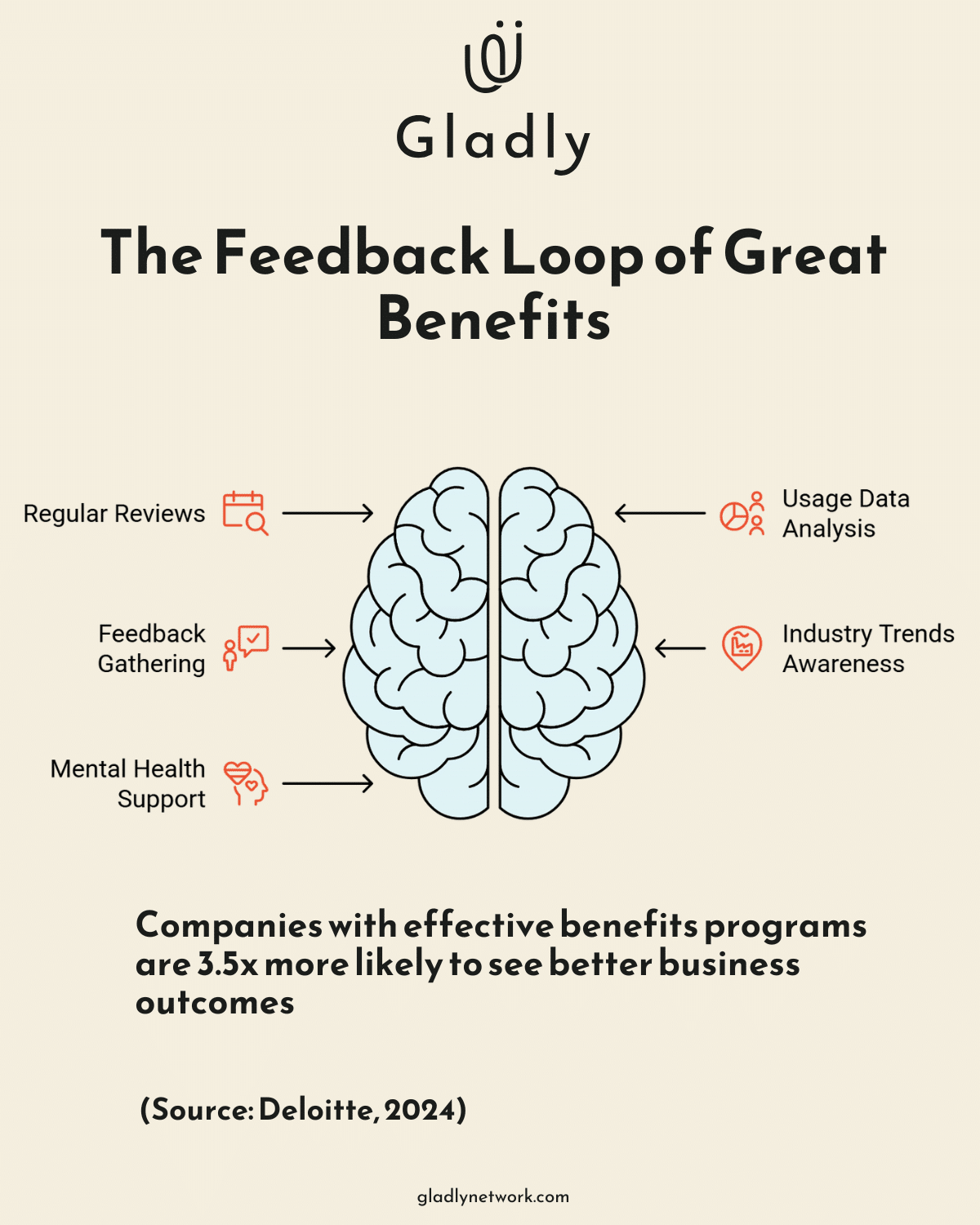
The needs and preferences of your workforce will evolve over time, so your perks program should too. Set up a schedule for regular reviews (we recommend at least annually). During these reviews, analyze usage data, gather feedback, and stay informed about industry trends.
In 2023, mental health support became a top priority for many employees. 92% of workers said it is very (57%) or somewhat (35%) important to them to work for an organization that values their emotional and psychological well-being. Companies that quickly adapted their programs to include services like Talkspace or Headspace saw significant improvements in employee well-being and productivity.
Communicate Effectively
Even the best perks program won’t be effective if employees don’t know about it or understand its value. Develop a comprehensive communication strategy that goes beyond a simple email announcement. Consider creating an internal perks portal, hosting information sessions, or even gamifying the learning process about available benefits.
Airbnb excels in this area with their “Annual Perks Fair,” where employees can explore all available benefits in a fun, interactive setting.
Measure Impact
To make the case for your perks program, you need to measure its impact. Track things like employee satisfaction scores, retention rates, and productivity before and after rolling out new benefits. According to a 2024 Deloitte study, companies with strong perks programs are 3.5 times more likely to see better business outcomes.
At Gladly, we’ve seen how meaningful and flexible perks can lead to real results. That’s why we created Gladly Shop, a curated space where employees can explore exclusive offers from brands that give back. It’s a simple way to support well-being, reflect your values, and offer perks that people actually care about. (Sign-up is free!)
Creating an effective employee perks program requires continuous attention, adaptation, and a genuine commitment to employee well-being. These steps will help you create a perks program that not only attracts top talent but also keeps your current employees engaged and productive.
Keep Evolving Your Perks
Employee perks are not a one-time solution. They are part of an ongoing effort to create a workplace where people feel supported, appreciated, and excited to contribute. The right mix of benefits can improve morale, strengthen retention, and build a healthier culture over time.
What matters most is staying in tune with what your team needs. That means listening regularly, adjusting as things change, and offering perks that reflect your values as a company. When perks are thoughtful and intentional, they become something people remember. They become part of why they stay.
At Gladly, we believe that great work starts with people who feel good about where they are. The best employee perks are flexible, personal, and grounded in purpose help make that possible every day.