

The Real Hunger Behind Burnout
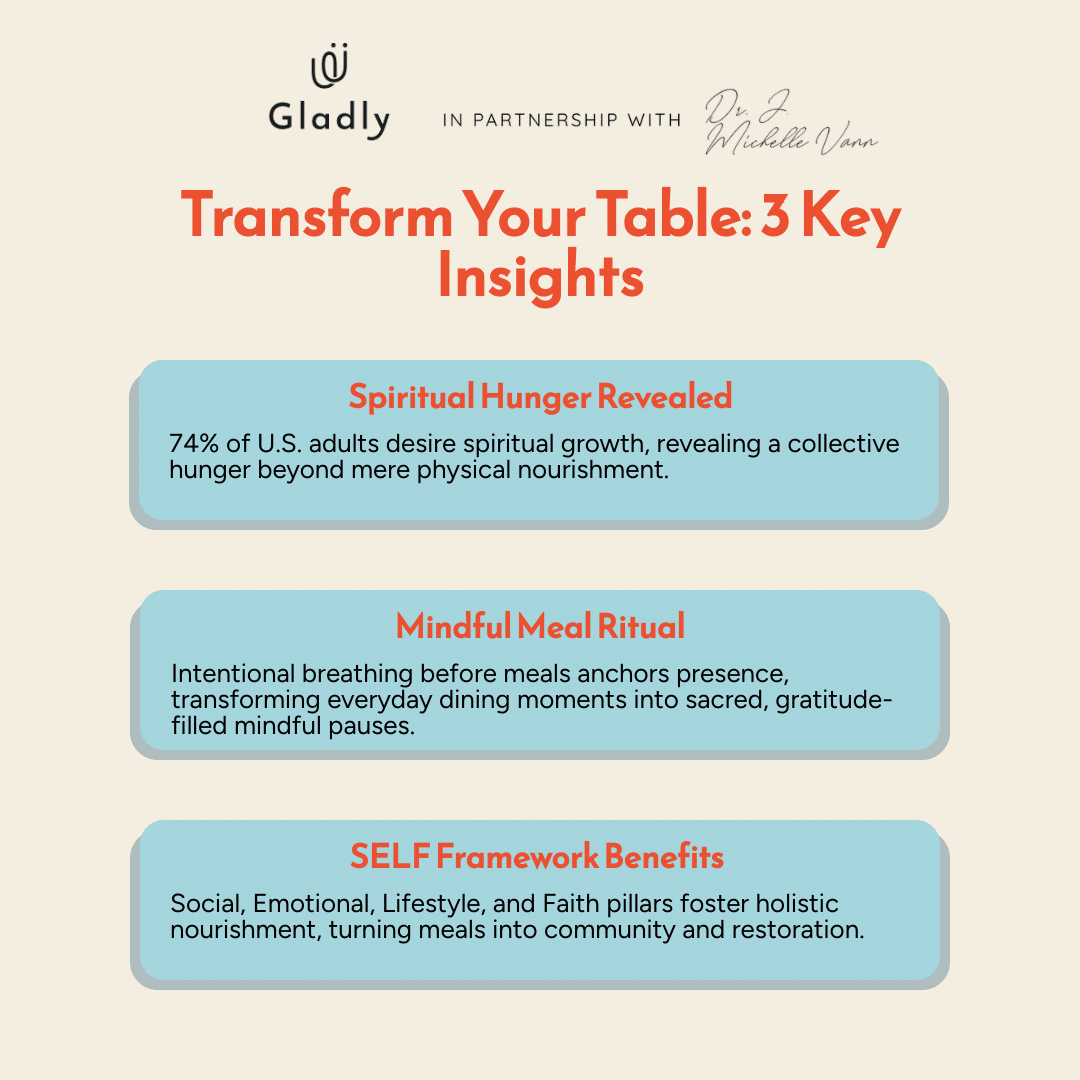
Let’s be honest, hunger wears many disguises. Sometimes it shows up as a growling stomach, but other times it looks like that quiet feeling that something is missing. A recent study found that 74% of adults in the U.S. want to grow spiritually. That says a lot. Many people are hungry, and not just for food.
Burnout often reflects a deeper kind of depletion. On the outside, it can look like everything is under control. But internally, it may feel like an empty plate, an empty tank, and an empty sense of joy.
That is one reason the kitchen can feel so meaningful. It is more than a place to prepare meals. It can become a sacred space where faith meets function, and where ordinary moments turn into opportunities for restoration.
Before picking up a fork, taking a single breath can make a difference. That pause signals safety to the body and creates space to slow down. It is a reminder that food does not need to be rushed, and emotions do not need to be ignored.
These sacred pauses may seem simple, but they are powerful. They can turn a sandwich into sanctuary and a salad into soul care. Every bite becomes a reminder that you deserve to be nourished, not just fed.
The SELF Framework Transforms Your Table
I built my SELF Framework, Social, Emotional, Lifestyle, and Faith, because I needed it myself first. I was teaching wellness while skipping meals and running on stress. Each pillar helped call me back to wholeness, and now they shape how I approach the table in everyday life.
- Social – Meals create connection. When we gather around food and conversation, we remember that we are not meant to do life alone.
- Emotional – The way we eat often reflects how we feel. Comfort food, celebration food, or stress eating can all reveal important patterns. The goal is not guilt, but awareness and grace.
- Lifestyle – The table helps shape daily rhythm. When we slow down enough to eat, we send a message to our bodies that we matter.
- Faith – Every meal can become an act of ministry. When we acknowledge God at the table, even simple food can feel sacred.
From Spiritual Starvation to Sacred Satisfaction
Lifestyle choices around the table shape daily rhythms and routines. Faith becomes part of ordinary life when we learn to notice sacred moments in everyday activities. The Gospel Coalition has reported a revival among young people, with many returning to traditional practices and seeking deeper faith connections amid modern pressures.
What if our tables became a new kind of altar, a place where faith, food, and fellowship meet? Maybe tonight’s dinner is not just dinner. Maybe it is holy ground, where grace is served family-style and healing is passed around like the mac and cheese.
5 Sacred Rituals That Feed More Than Hunger
Healing often begins with simple practices. These five rituals can nourish both body and spirit while opening space for deeper wellness. Each one invites connection with food, faith, and the people around us.
1. The Forgiveness Bowl
One meaningful practice is something called a Forgiveness Bowl. Write down what feels heavy on a slip of paper, fold it, and whisper a short prayer before placing it in a bowl. Then light a candle beside it and imagine releasing that burden with every flicker. Just as the vapor from the candle rises, let that moment symbolize release and surrender.
2. Morning Grace Smoothie
Mornings often set the tone for the entire day. Blending colorful fruits, greens, and clean protein for whole foods nutrition can become an intentional act of nourishment. It can also be something simple and steady, such as a wholesome smoothie or a protein bar that helps maintain energy through the morning.
Aloha offers plant-based options made with real ingredients and a purpose beyond the label, fuel that supports both the body and the world it moves through. As you sip or snack, take a breath and speak peace over your day.
Pour your drink into a special cup and sip slowly while affirming, “Peace is my portion today.” In that moment, your body receives nutrients while your spirit receives intention.
3. Creating Routines: Journals and Candles
Soft candlelight can help create a sense of safety and calm. Evening rituals can support emotional recovery and help the mind settle. Sit with a journal and take time to “dump your day.” Write about what was meaningful, what could improve tomorrow, the top three things you are grateful for, and anything you need to release.
This kind of reflection can help clear the mind before rest. During that time, a soft, clean-burning candle can add another layer of comfort. Candles made from soy wax and recycled vessels, like those from Second Life Candles, can serve as a reminder that healing often means giving new purpose to what might otherwise be discarded.
4. Sunday Supper Reset
Could your table become a weekly sanctuary? I have seen healing grow stronger when people gather, break bread, and remember they are not alone. Begin with a blessing, then invite each person to share one joy from the week. This simple practice shifts attention toward gratitude and nourishes the soul through connection.
5. The Grace Plate
Sometimes the simplest rituals are the most grounding. Choose one piece of fruit, something fresh, colorful, and nourishing. Place it on a plate you love and take thirty quiet seconds to whisper, “Lord, for this food, I give You thanks.”
Then eat slowly. Notice the sweetness, the texture, and the blessing of what is in front of you. With each bite, you are not only feeding your body, but also practicing gratitude and surrender in motion.
The Science Behind Sacred Practices
Faith and science often intersect more than people realize. Research continues to support what spiritual traditions have practiced for generations: rituals can reshape stress responses and create pathways to healing.
How Healing Rituals Retrain Your Body
Have you ever noticed how your body softens during familiar routines? That is not your imagination. It is your nervous system responding to peace. When we light a candle, whisper a prayer, or simply pause before a meal, we communicate safety to the body. These small sacred rhythms can help quiet stress hormones and create space for rest, reset, and restoration.
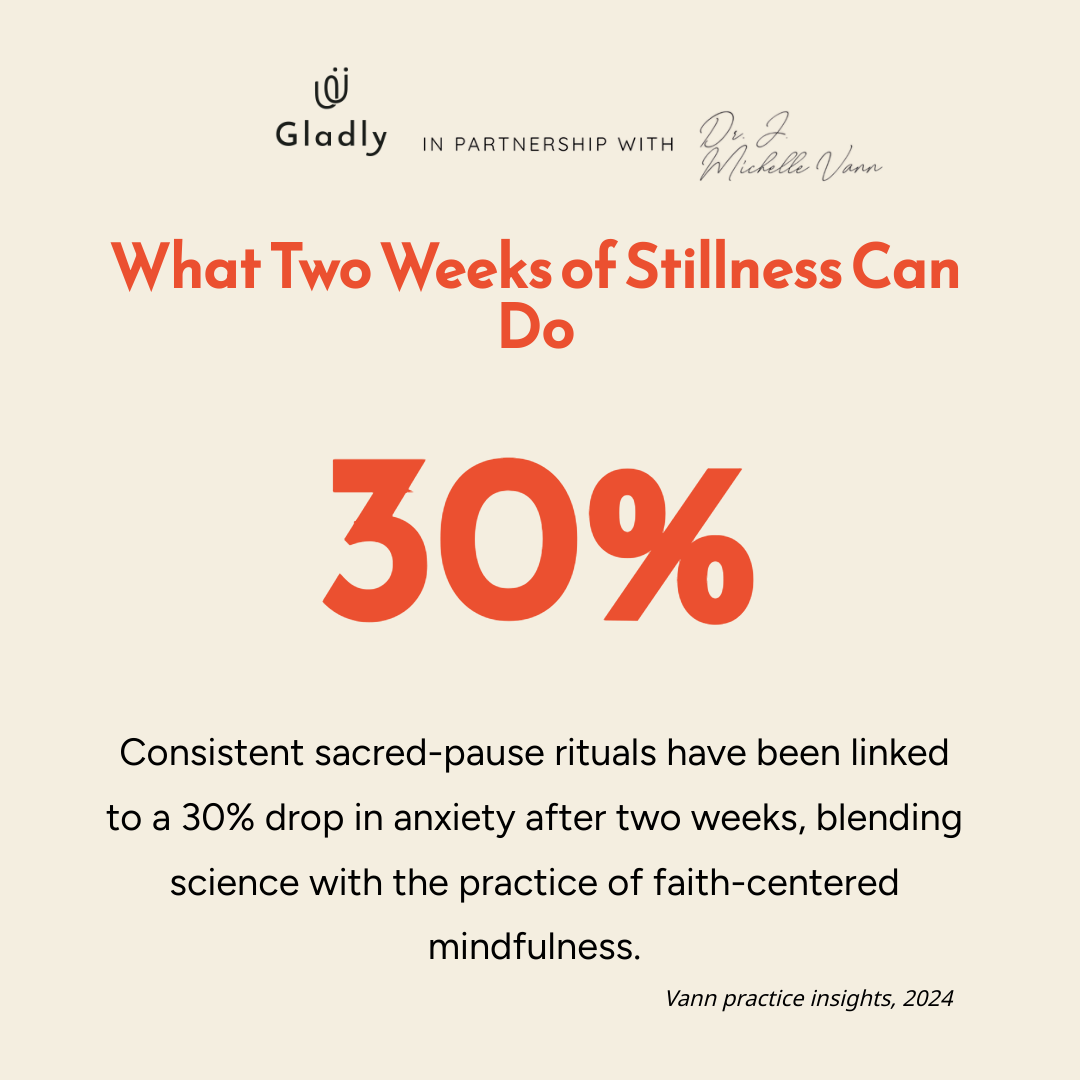
Routines matter more than we often think. Each time we practice sacred pauses, neural pathways strengthen and emotional space expands through sensory awareness exercises. In my work, I have seen small practices calm anxious hearts, and research suggests that consistent rituals can contribute to meaningful reductions in anxiety over time.
At home, my husband and I have experienced this ourselves. Whenever we sit down to eat without phones or distractions, and begin with a simple prayer, something shifts. The room feels lighter, our shoulders relax, and conversation becomes easier. It is as if peace pulls up a chair and joins us.
Faith traditions have long understood this truth: when we pause to give thanks and break bread together, something powerful happens. Our bodies calm, our spirits realign, and we remember that food is not just physical fuel. It can also be a moment of communion with God and with one another.
Purpose as Preventive Medicine
Purpose-driven habits create more sustainable wellness. When our actions align with our deepest values, we experience less inner conflict and greater resilience in the face of daily pressures. In many ways, this alignment becomes preventive medicine for both body and spirit.
We might think of this as spiritual muscle memory, the body’s ability to remember peace through consistent, faith-filled practice. Just as physical training builds strength over time, small repeated acts of intention can build emotional and spiritual resilience.
Even simple digital tools can help support that rhythm. ImpactSuite offers faith-centered resources that support mindfulness, recovery, and emotional balance, practical reminders to pause, reflect, and realign. Healing often unfolds in that middle space between intention and surrender, where faith meets follow-through.
When we engage in purpose-aligned rituals, our minds and bodies often respond with greater calm. Faith-based practices can invite us into a gentler relationship with ourselves, where healing becomes less about perfection and more about presence.
What Heals in Us Heals Around Us
Personal care creates ripples at our family tables, in our workplaces, and throughout our communities. Wellness becomes stewardship when we treat our bodies and spirits as gifts to care for rather than problems to manage. It is one way we honor the life we have been given, by tending to it with intention.
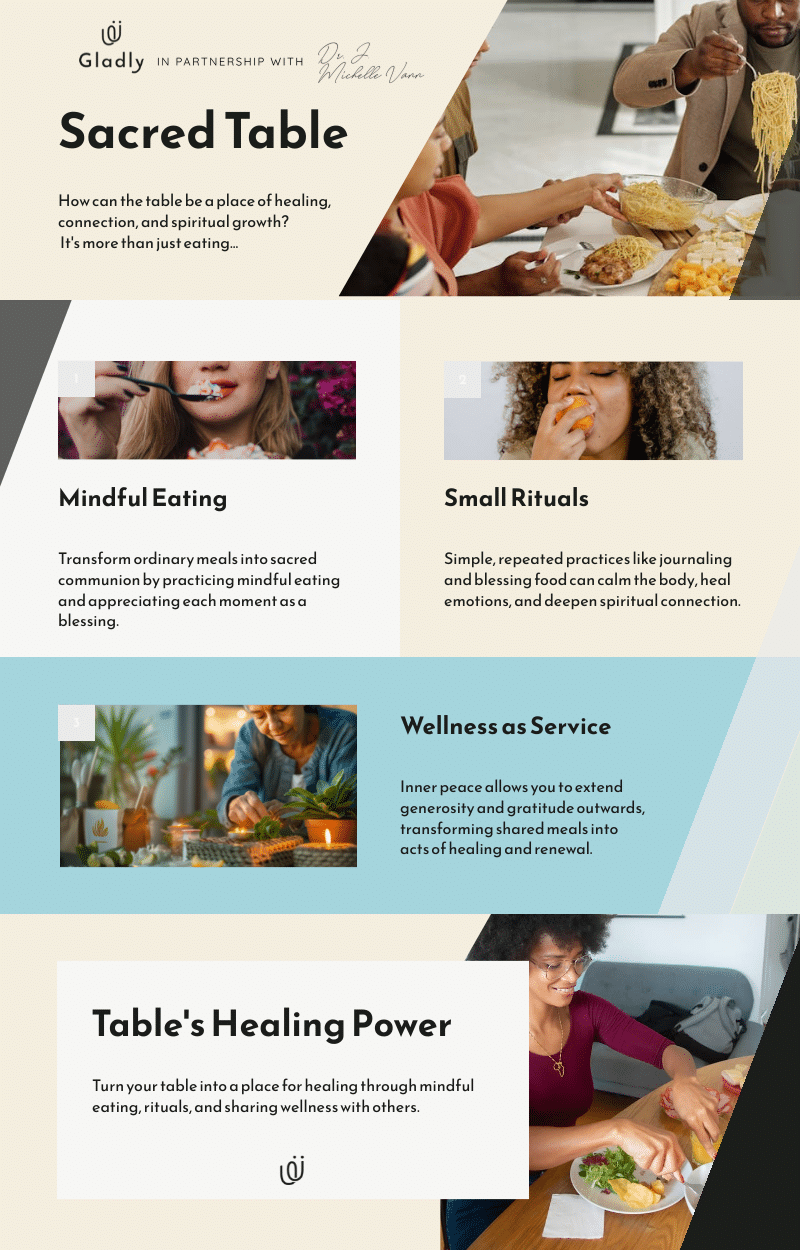
As we grow stronger, we learn to serve from overflow rather than exhaustion. When we pause before a meal, we are doing more than saying grace. We are modeling presence for our children and peace for our homes. One small moment of gratitude can shift the atmosphere around the entire table.
Gladly reminds us that purpose can live in the everyday, in what we buy, how we give, and even in the candles we light. Through its marketplace of brands that give back, ordinary purchases become quiet acts of generosity and love in motion.
I often wonder what would change if we treated every meal as ministry. Every pause, every breath, and every shared light can become an offering, a reminder that faith is not only something we speak, but something we live. Renew. Realign. Rise.