

Sustainable cleaning products offer a healthier path forward by replacing the harsh chemicals that traditional cleaners bring into our homes. According to the EPA, these products can contribute to dozens of toxic substances commonly found in indoor environments.
At Gladly Network, we believe in choosing solutions that are better for your family and the planet. Eco-friendly cleaners made with biodegradable ingredients and low-waste packaging can reduce environmental harm while helping create a safer, cleaner space for the people you love.
Why Switch to Sustainable Cleaning Products
Chemical Reduction Supports Healthier Homes and Water Systems
Sustainable cleaning products help reduce exposure to toxic substances that are often found in conventional cleaners. Traditional formulas may release ingredients such as phosphates, which can over-fertilize waterways and contribute to environmental damage in lakes and rivers. Plant-based alternatives often use biodegradable surfactants derived from sources like rapeseed and sunflower oils, which break down more naturally and are less harmful to aquatic ecosystems.
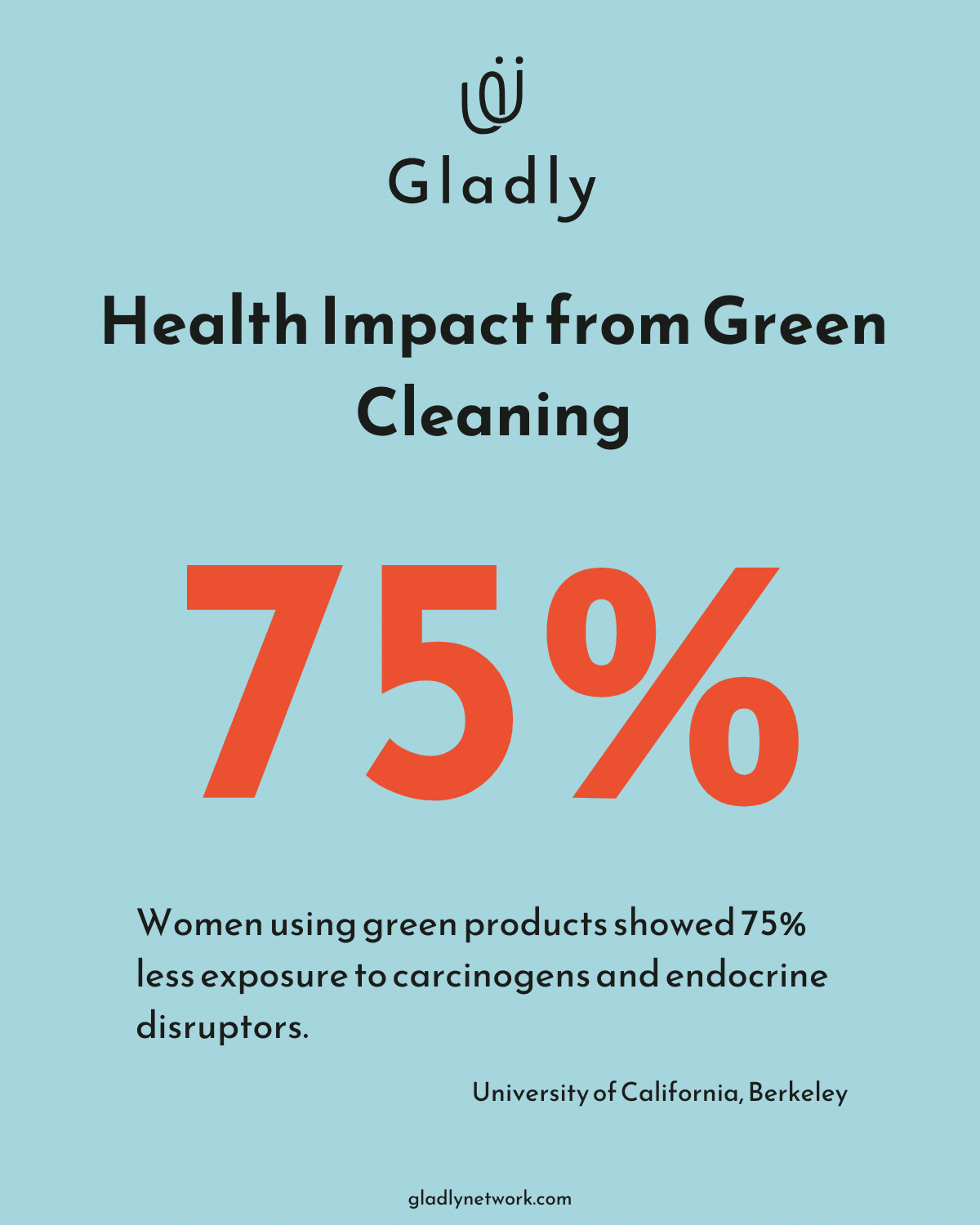
A 2018 study published in the American Journal of Respiratory and Critical Care Medicine found that frequent exposure to certain harsh cleaning chemicals was associated with measurable lung function decline. Other research has also suggested that people who use greener products may reduce their exposure to harmful substances commonly linked to irritation and long-term health concerns.
Indoor Air Quality Improvements Protect Your Family
Many green cleaning products are formulated to reduce volatile organic compounds and other ingredients that can contribute to indoor air pollution. This can be especially important for children and pets, who often spend more time close to floors, fabrics, and other recently cleaned surfaces.
A strong example of this shift toward safer alternatives is The Hypochlorous Company, which offers USDA-certified organic hypochlorous acid cleaners that disinfect effectively without introducing many of the harsh chemicals found in conventional products. Their approach aligns with growing interest in healthier indoor environments and lower-impact cleaning solutions.
Sustainable cleaners with balanced pH levels can help reduce skin irritation while still performing effectively. Fragrance-free formulas and products that meet EPA Safer Choice criteria can also help households avoid ingredients that may trigger sensitivities, asthma, or allergic reactions.
Long-Term Financial Benefits Add Up Fast
Concentrated sustainable formulas can offer better value over time by reducing product use, packaging waste, and transportation needs. Multi-purpose plant-based cleaners may also replace several separate chemical products, helping reduce both storage requirements and repeat purchases.
Some businesses report lower product costs and improved workplace conditions after they switch to sustainable office products. These benefits can make sustainable cleaning solutions appealing for both households and commercial spaces.
The next step is understanding which types of sustainable products are available and how each category can support different cleaning needs.
Which Sustainable Products Work Best
Plant-Based Cleaners Deliver Effective Results
Plant-based cleaners from brands like Ecover use biodegradable surfactants derived from ingredients such as rapeseed and sunflower oils. These formulas are often designed to perform well without relying on phosphates or heavy synthetic fragrances. Many also use balanced pH formulations to help prevent unnecessary irritation on skin and surfaces.
Research and manufacturing innovations, including energy-efficient cold saponification processes, show how sustainable cleaning products can combine performance with more responsible production methods. Some brands also offer vegan formulas that are free from microplastics and designed to clean effectively without creating additional environmental harm.
Concentrated Solutions Cut Costs and Waste
Concentrated formulas can significantly reduce packaging waste while lowering the cost per use compared to many traditional cleaners. Refillable systems, such as those built around glass bottles and concentrate refills, help reduce single-use plastic and support a lower-waste cleaning routine.
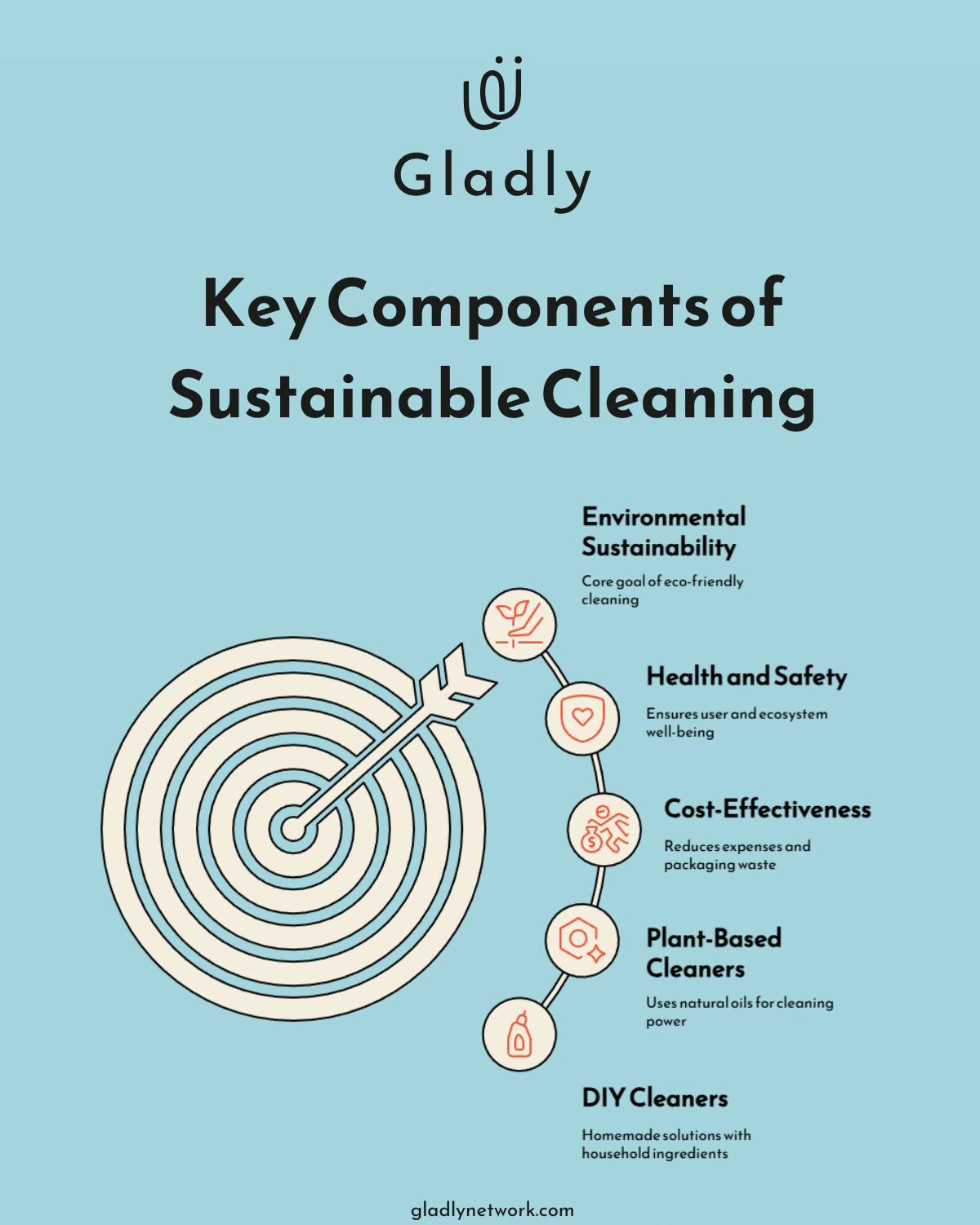
Some products, such as dissolvable tabs and concentrate-based systems, also reduce storage space and transportation weight, which adds another layer of sustainability and convenience.
DIY Solutions Use Everyday Ingredients
Homemade cleaning solutions can be a practical option for routine maintenance. White vinegar, baking soda, and hydrogen peroxide are often used in DIY cleaning because they can help tackle odors, residue, and certain household messes without relying on harsher commercial ingredients.
Research into household ingredients continues to explore which common products may effectively support cleaning and disinfection goals. For many households, DIY options can be a low-cost starting point when building more sustainable habits.
The next step is learning how to evaluate products carefully so you can choose options that fit your home, your priorities, and your budget.
How Do You Pick the Right Green Cleaner
Certifications Tell the Real Story
The EU Ecolabel is one of the most recognized standards for sustainable products because it requires independent verification and compliance testing. Nordic Swan, Ecocert, and Cradle to Cradle certifications are also widely respected in different markets and product categories.
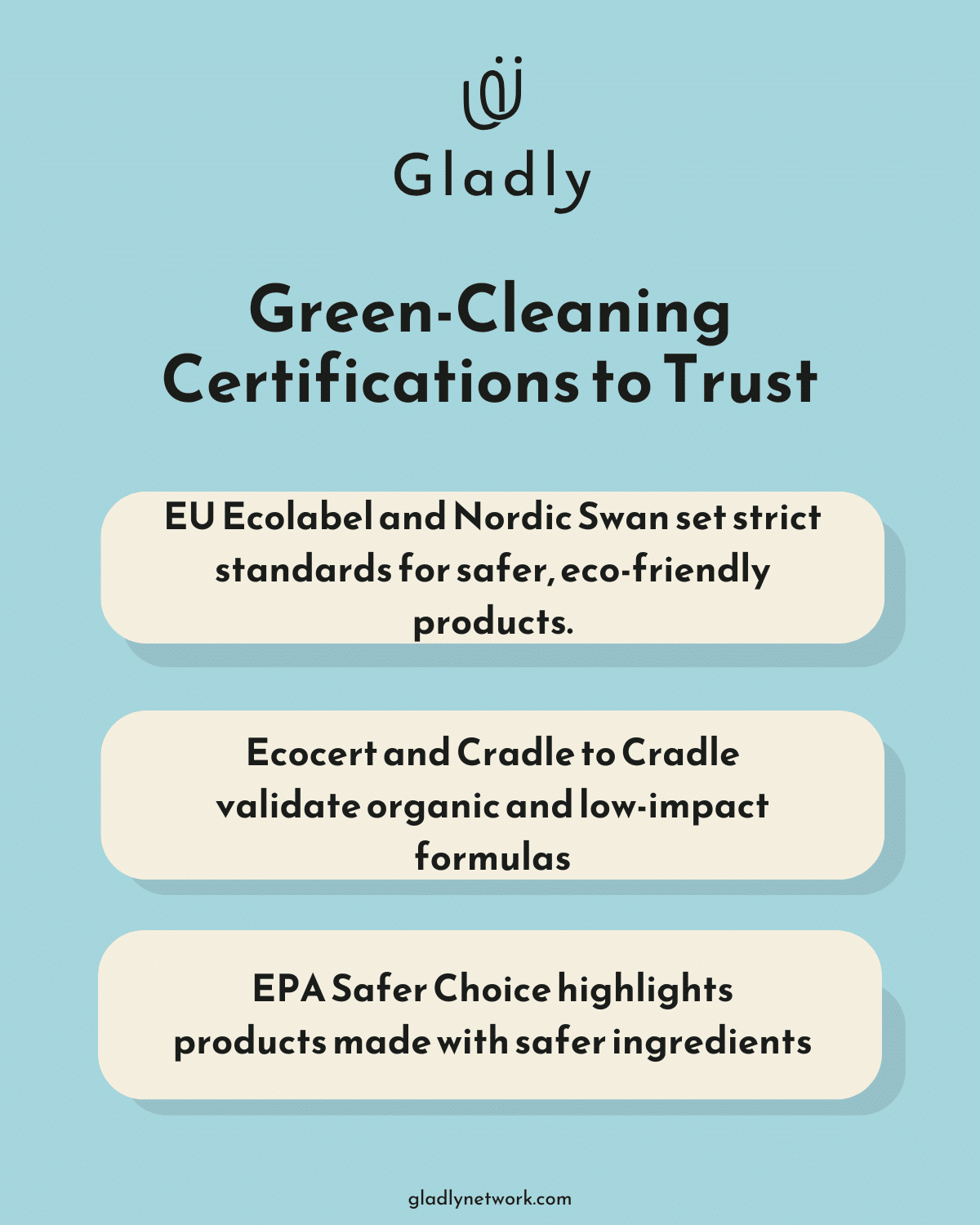
EPA Safer Choice labels can also help identify products made with ingredients that are considered safer for human health and the environment. By contrast, vague terms like “eco-friendly” or “non-toxic” may not always be independently verified, so certifications are often the best way to evaluate whether a product truly meets stronger standards.
Performance Tests Matter More Than Marketing Claims
It is important to test products at their recommended dilution ratios because performance often depends on correct use. Sustainable cleaners with balanced pH formulations can offer strong cleaning power while helping reduce the risk of skin irritation or surface damage.
Laboratory research has shown that some lower-tox ingredients, including 10% vinegar solutions, can be effective for certain cleaning purposes. Plant-based surfactants have also shown strong performance in removing grease and routine buildup. Still, the best results often come from testing products in the specific conditions of your own home.
Cost Analysis Reveals the True Value
When comparing products, it helps to calculate cost per use rather than focusing only on bottle price. Concentrated formulas may have a higher upfront cost, but they often last longer and reduce repeat purchases. Refillable systems can also lower packaging costs and reduce the amount of storage space required.
Multi-purpose sustainable products can simplify cleaning routines by replacing several specialized products. In some cases, safer formulations may also support lower workplace risk and fewer liability concerns in commercial environments. DIY alternatives made from common kitchen ingredients can also be highly affordable for basic cleaning tasks, making them attractive for budget-conscious households.
A Gentle Shift Toward a Greener Home
Sustainable cleaning products can help create a healthier home while reducing the environmental impact of everyday routines. When you choose products made with biodegradable ingredients and lower-tox formulations, you support greater comfort in your space and contribute to a cleaner future.
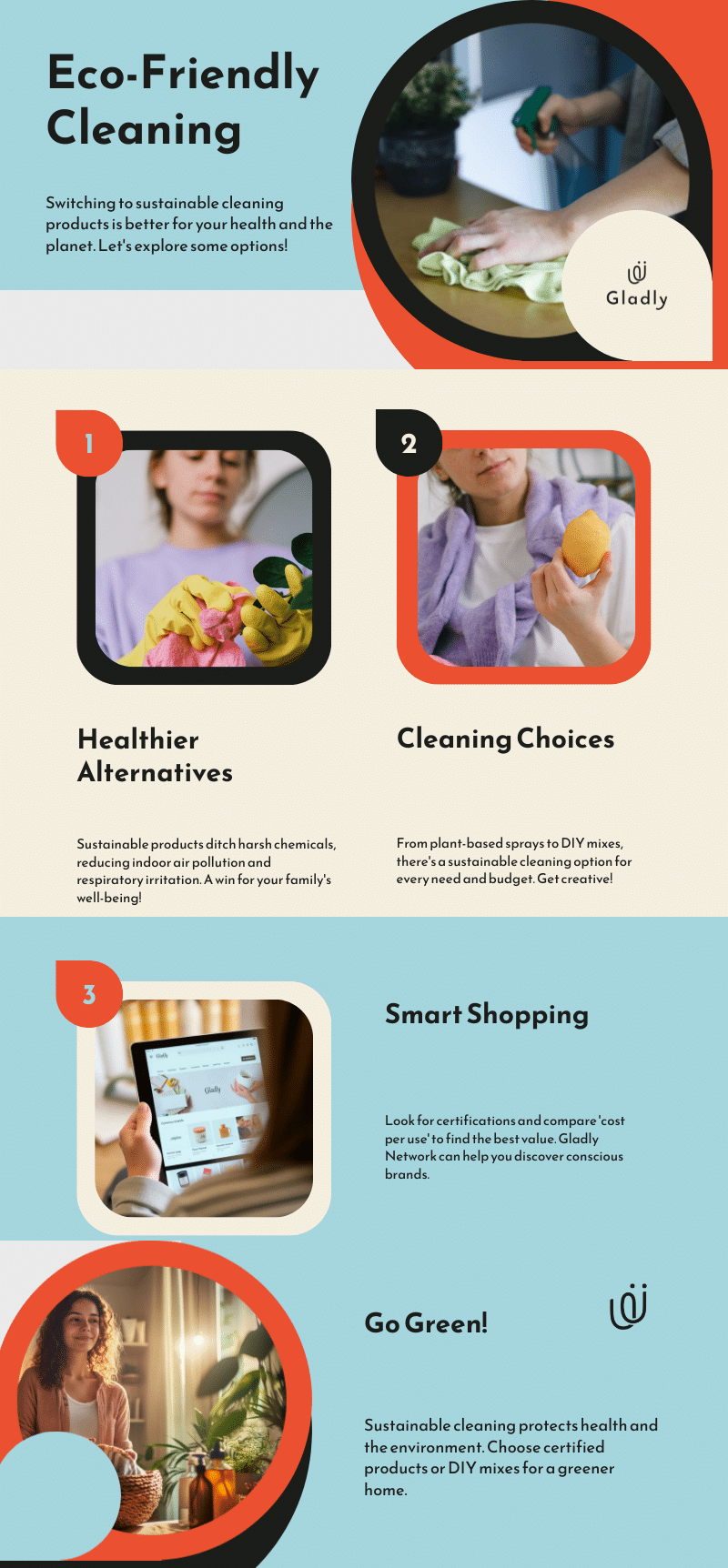
A simple way to begin is by updating the products you already use every day. Start with something practical, such as an all-purpose cleaner or dish soap, then explore plant-based or refillable options as you feel ready. Even homemade solutions made with common kitchen ingredients can be a meaningful first step. What matters most is choosing what feels manageable and building from there.
At Gladly Network, we want conscious choices to feel natural and enjoyable. Our marketplace is designed for thoughtful shoppers who value purposeful brands and better everyday products. Joining Gladly is free, and inside you’ll find curated offers that make sustainable living feel more accessible.
Every small change in your routine can bring your home closer to the values you care about. Over time, those choices add up and help create a healthier environment for the people you love.