

Mental Health Awareness Week invites us to pause and acknowledge how many people are affected by mental health challenges. One in four individuals worldwide will experience these struggles at some point, which makes this conversation relevant to almost every family and community.
At Gladly Network, we believe meaningful change begins when people feel comfortable speaking openly. When those conversations happen, communities become more understanding and supportive. This week offers a helpful moment to reflect, connect, and explore better ways to show up for one another.
How Mental Health Awareness Week Started and Why It Works
The Foundation Sets the Stage
Mental Health Awareness Week began in the United Kingdom in 2001 when the Mental Health Foundation launched this annual campaign to bring communities together around mental wellness. The initiative expanded globally as countries recognized the need for dedicated time to address mental health challenges. In the United States, Mental Illness Awareness Week occurs during the first full week of October and was officially established by Congress in 1990, which created a powerful platform for nationwide advocacy.
The Numbers Reveal a Stark Reality
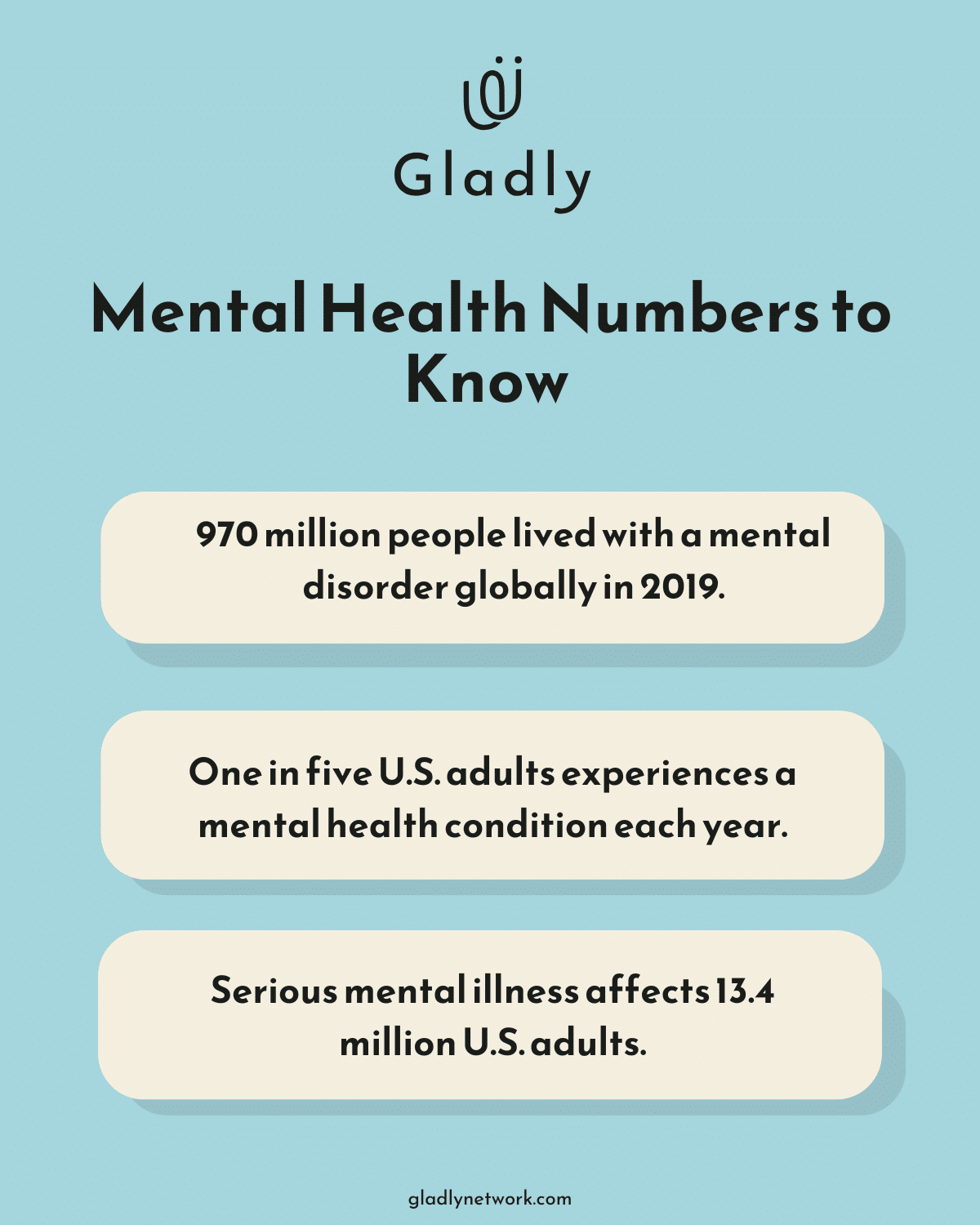
Current global statistics paint a sobering picture of our mental health crisis. The World Health Organization reports that 970 million people globally were living with a mental disorder in 2019, with anxiety and depression being the most common conditions. In the United States alone, one in five adults experiences a mental health condition annually (affecting approximately 50 million Americans). The National Institute of Mental Health data shows that serious mental illness affects 13.4 million adults, yet stigma prevents many from seeking help. These figures represent real people in our communities who need support.
Why Annual Campaigns Drive Real Change
Annual awareness campaigns work because they create concentrated moments of collective action that break through everyday noise. The Mental Health Foundation’s research demonstrates that young people have widespread experiences of harmful online content related to mental health. These campaigns provide counter-narratives and safe spaces for conversation. They mobilize resources, activate support networks, and generate media coverage that reaches people who might otherwise remain isolated.
The Power of Collective Permission
Most importantly, these campaigns give communities permission to talk openly about mental health. They transform private struggles into shared experiences that foster connection and recovery. When entire communities participate simultaneously, the conversation shifts from individual shame to collective responsibility.
This foundation of awareness creates the perfect environment to tackle one of the biggest barriers people face when they need help most: the weight of stigma that keeps them silent.
Breaking Down Mental Health Stigma
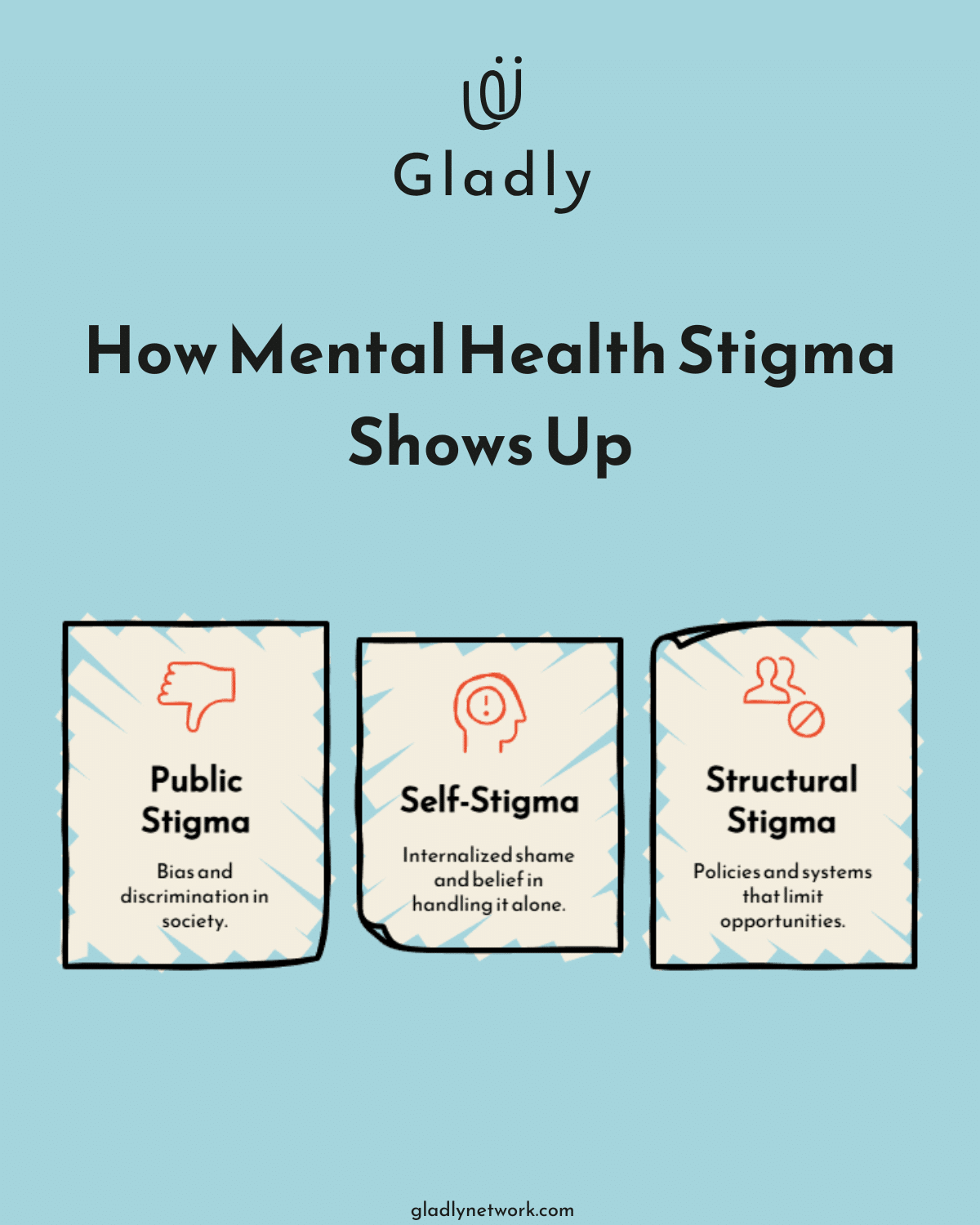
Mental health stigma operates through three devastating mechanisms that prevent many adults with mental health conditions from seeking treatment. 16.5% of U.S. youth aged 6-17 experienced a mental health disorder in 2016, representing more than 1 in 7 youth according to the National Alliance on Mental Illness. Public stigma manifests when employers refuse to hire candidates with disclosed mental health histories or when insurance companies limit coverage for psychiatric care. Self-stigma proves even more destructive as individuals internalize shame and convince themselves they should handle problems alone. Structural stigma creates the most systemic barriers through policies that restrict housing opportunities and employment rights for people with mental health conditions.
How Stigma Creates Invisible Barriers
The most damaging aspect of mental health stigma lies in its ability to operate silently within communities. People avoid conversations about their struggles because they fear judgment from friends, family members, and colleagues. This silence perpetuates myths and misconceptions that make mental health conditions seem rare or shameful. Healthcare providers sometimes contribute to this problem when they dismiss symptoms or suggest that patients simply “think positive thoughts” instead of providing proper treatment options.
Success Stories That Prove Change Works
The UK’s Time to Change campaign achieved measurable stigma reduction by training 20,000 champions to share personal mental health stories in their communities. Their approach increased help-seeking behavior by 8.1% among men aged 25-34 within two years. Similarly, Australia’s R U OK? initiative reduced workplace discrimination by 23% after implementing peer support programs in major corporations. The National Institute of Mental Health found that direct contact with people who have mental health conditions reduces negative stereotypes by 40% more effectively than educational materials alone.
Three Actions Communities Can Take Now
Replace stigmatizing language immediately in all community communications and social media posts. Train local business leaders and healthcare workers to recognize mental health symptoms and respond supportively rather than dismissively, following evidence-based approaches like gatekeeper training used in many community programs.
Implement peer support groups where people with lived experience mentor others facing similar challenges; research from SAMHSA and other mental health organizations shows that peer support services help people stay connected to treatment and maintain long-term engagement.
These targeted interventions create environments where people view help-seeking as normal rather than shameful, which naturally leads communities toward building stronger support systems that benefit everyone.. Organizations that prioritize mental health support see improved productivity and reduced workplace discrimination.
How Can Your Community Support Mental Health Today
Mental health support requires concrete actions rather than good intentions, and communities that implement specific programs see measurable results within months. SAMHSA leads efforts to advance behavioral health across the U.S., offering resources for mental health, substance use, and community well-being.
Communities can establish peer support groups that meet weekly in local libraries or community centers, and they can follow the model that NAMI uses where trained volunteers with lived experience provide emotional support and coping strategies. The Substance Abuse and Mental Health Services Administration reports that peer-led programs improve treatment engagement rates by 67% compared to traditional approaches.
Start With Workplace Mental Health Programs
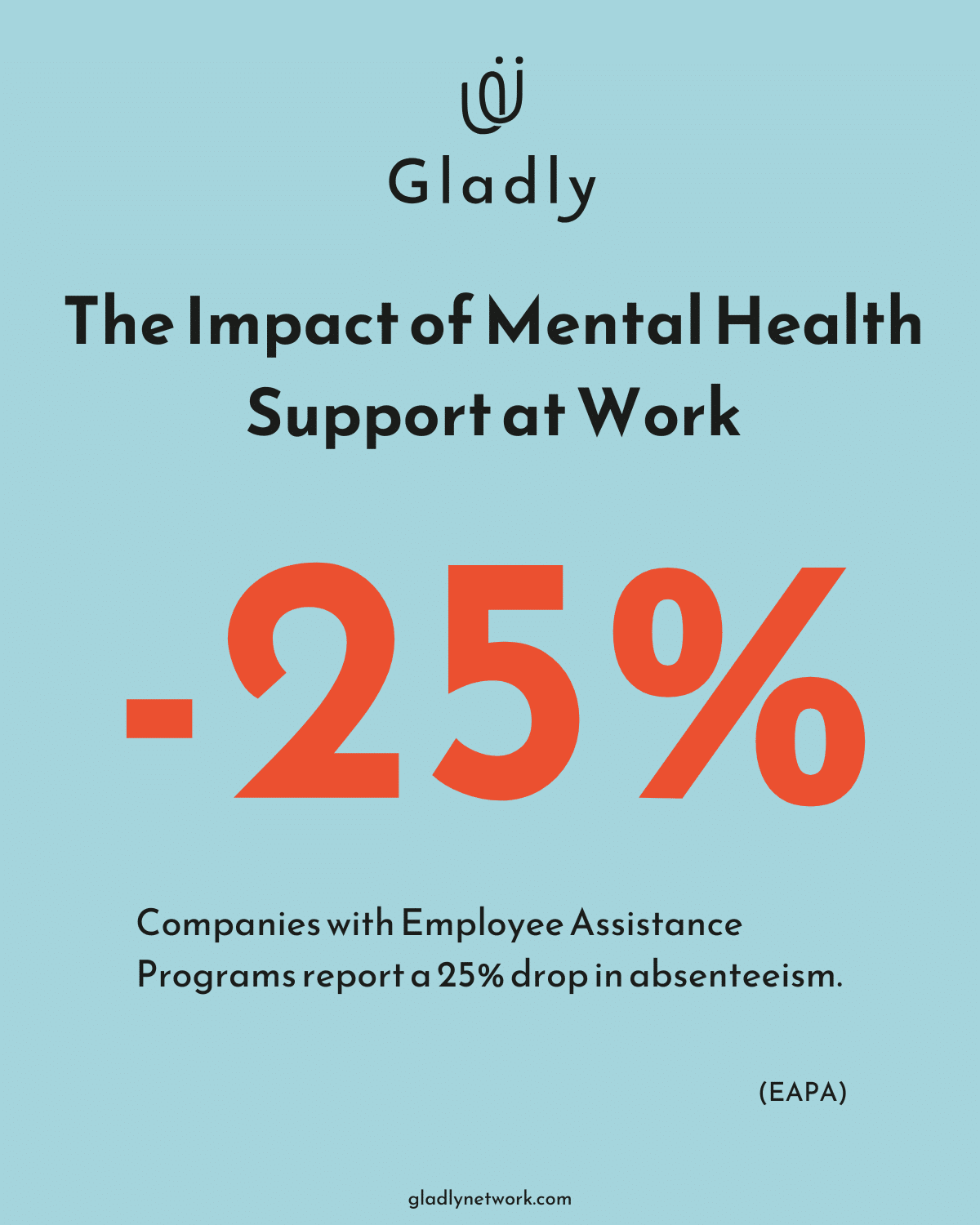
Workplaces represent the most effective entry point for community mental health support because employees spend 40+ hours per week in these environments. Companies that implement Employee Assistance Programs see 25% reduction in absenteeism and 12% increase in productivity (according to the International Association for Employee Assistance Professionals).
Train managers to recognize warning signs like decreased performance, increased absences, or social withdrawal, then connect employees with confidential counseling services. The 988 Suicide & Crisis Lifeline provides immediate support for crisis situations, while local mental health centers offer ongoing therapy options.
Some organizations also rely on digital mental wellness tools that offer check-ins, coaching, and access to professionals, which helps employees get support early and privately. ImpactSuite is an example of this kind of resource, giving teams simple ways to manage stress and build healthier daily habits.
Smart employers also create mental health days as standard paid time off rather than require employees to use sick leave for psychological care.
Build Community Resource Networks
Communities need centralized mental health resource hubs that connect people with appropriate services quickly. Partner with local hospitals, schools, and faith organizations to create referral networks that eliminate the confusion many people face when they seek help. The Mental Health Foundation found that 68% of young people encounter harmful online content, which makes digital literacy programs essential components of community mental health initiatives (especially for protecting vulnerable populations). Establish regular mental health first aid training sessions for teachers, coaches, and community leaders who interact with at-risk individuals daily.
Create Safe Spaces for Open Conversations
Local coffee shops, community centers, and libraries can host monthly mental health discussion groups where residents share experiences and resources. These informal gatherings reduce isolation and normalize conversations about psychological wellness. Engaging with your community through these activities not only benefits others but also boosts your own mental health. Train facilitators to guide discussions productively while maintaining confidentiality and respect for all participants.
Some communities also add simple sensory comforts to help people feel more at ease during discussions. For example, weighted or calming clothing like the pieces created by Comfrt can offer a grounding experience for individuals who benefit from that type of support.
Choosing to Care, Every Day
Mental Health Awareness Week reminds us that care often grows through small, steady choices. Checking in with someone, creating supportive spaces, and showing a little more patience can strengthen the way we relate to one another.
At Gladly, we believe this same spirit is reflected in how we choose to live and shop with purpose. A Conscious Shopper looks for meaning in everyday decisions, supporting brands that give back and helping local schools through our fundraising model without spending anything extra. Families simply shop as usual, and their choices create impact close to home.
The week may end, but the intention behind it can continue. Carrying this mindset forward in how we listen, how we show up, and how we choose helps build communities where everyone feels supported.