

It’s 3pm on a Wednesday. You’re at your desk, or standing in the pantry after back-to-back calls, or digging through your bag on a train between meetings. You grab the “healthy” snack you packed—the one with clean claims and promising labels—and it just doesn’t land. Not because you chose wrong, but because the category itself often misses what people actually need when they’re hungry, busy, and making decisions on the move.
The gap between what healthy snacks promise and what they deliver isn’t about your willpower. It’s about a fundamental disconnect between how these products are marketed and how real eating actually happens.
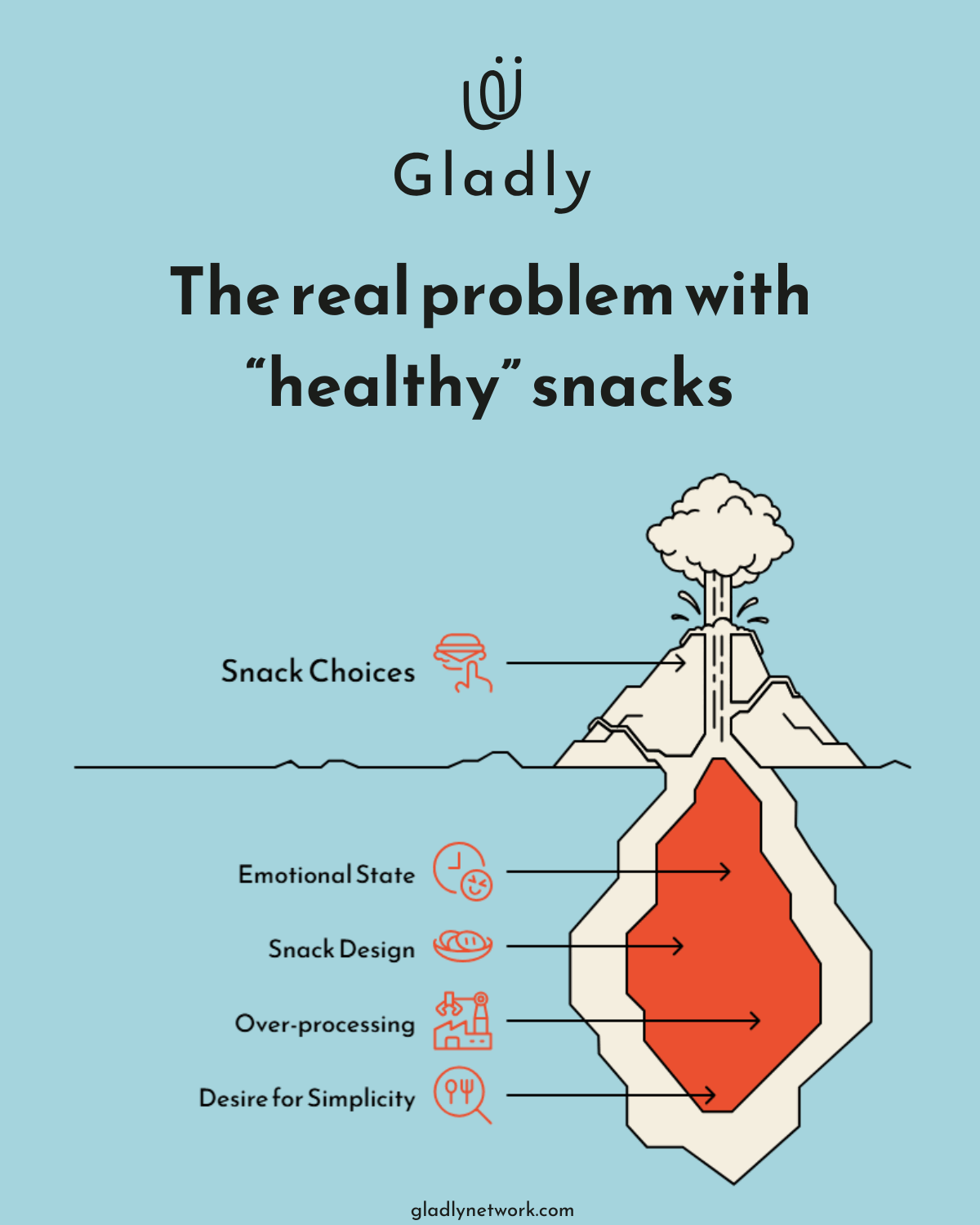
The Real Problem With “Healthy” Snacks
When Convenience and Nutrition Don’t Align
You’re choosing snacks in moments when you’re already tired, distracted, or in motion. The “healthy” bar promises sustained energy, but an hour later you’re reaching for something else because it didn’t actually satisfy you. It tasted like compromise—bland, chalky, or weirdly sweet in a way that doesn’t feel like food.
This creates a cycle that’s hard to escape: grab something convenient, feel unsatisfied, experience an energy dip, repeat. And the frustration compounds because you’re trying to do the right thing. But products designed for an idealized version of your day—the one where you have time to think through every choice—don’t work for the day you’re actually living.
Processing, Not Calories, Is Often the Issue
Here’s what gets lost in most healthy snacking conversations: the problem often isn’t the macros or the calorie count. It’s that many products marketed as health foods are engineered to mimic real ones. Protein isolates, stabilizers, and “natural flavors” that aren’t quite as natural as they sound.
You flip the package over and see an ingredient list that requires a degree to decode. What you’re craving is the opposite—food that feels like food. Brands like Greek Superherbs understand this shift. Their products are built around whole herbs and recognizable components, the kind of ingredient-forward nutrition that doesn’t make you wonder what you’re actually eating. When the label is clear, your choices feel clearer too.
What People Actually Need From Everyday Snacks
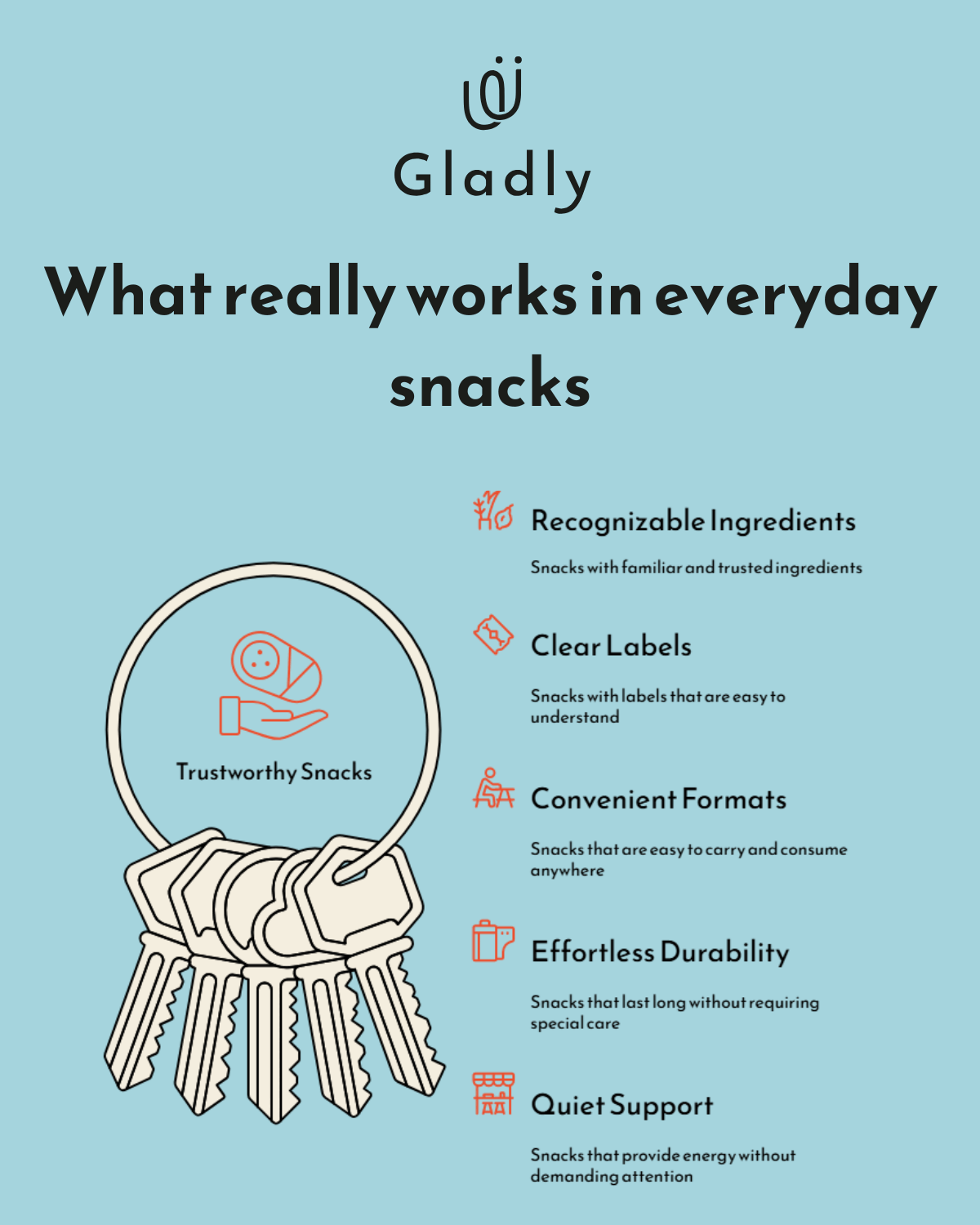
So what does a snack that actually works look like? Not a perfect one—just one that fits the reality of how you eat, what you trust, and what genuinely satisfies you without requiring mental gymnastics or compromise.
Familiar Ingredients That Don’t Require Decoding
Start with a simple test: if you can’t picture where an ingredient came from or wouldn’t recognize it in a grocery aisle, that’s a signal. People want short lists with components they’d actually use in their own kitchens—or at minimum, ingredients they can name without hesitation.
Amäzi Foods embodies this principle completely. Organic dried tropical fruit. That’s it. Two to three ingredients. Zero grams of added sugar—just the fruit itself, grown in Uganda and minimally processed. When you open a package of their mango or pineapple, you’re eating exactly what it sounds like: fruit that’s been dried and nothing more. This is transparency you can taste.
When ingredients are this clear, you stop second-guessing your choices. You know what you’re putting in your body, and that removes the mental friction that makes snacking feel fraught. There’s no label anxiety, no wondering if “natural flavor” means something you’d rather avoid. Just food that behaves like food.
Snacks That Fit Real Routines, Not Ideal Ones
Let’s talk about logistics, because they matter more than most wellness conversations acknowledge. You need snacks that travel well. Foods that don’t require refrigeration or elaborate prep. Options you can keep in a desk drawer, car console, or gym bag for weeks without worry.
Everyday nutrition is about the whole ecosystem of how you support your body throughout the day. Some people pair portable snacks with other daily essentials that help them stay consistent. Root’d Hydrating Multivitamins, for example, are designed for exactly this kind of real-routine thinking—easy to remember, simple to take, and built for the days when everything else feels complicated.
When Nutrition Choices Start to Feel More Aligned
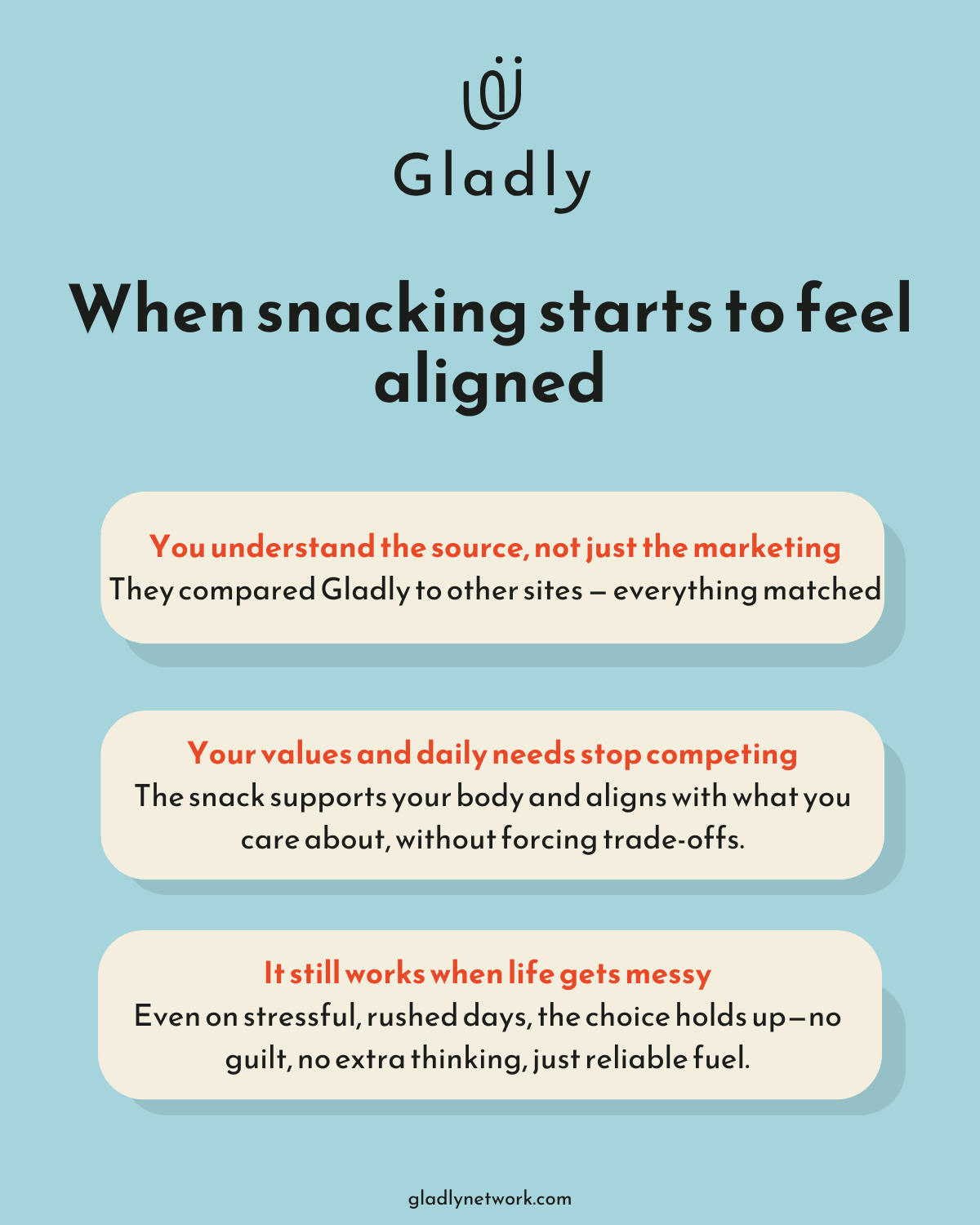
Better snacking is alignment—when the food you reach for reflects not just what your body needs, but also what you value and trust. That shift happens when you understand what’s behind the product, not just what’s printed on the label.
Built at the Source, Not Just Marketed Well
Sourcing and production matter more than most packaging lets on. Where food comes from, how it’s grown, and who benefits from its creation all feed into quality and trustworthiness in ways that go beyond certifications or buzzwords.
This is where Amäzi Foods goes deeper. The fruit is grown and dried in Uganda by women farmers earning fair wages. This isn’t a side note or a feel-good tagline—it’s core to why the product works. When supply chains are transparent and ethical, quality follows naturally. You’re not just eating fruit; you’re eating fruit that was handled with care at every stage, from harvest to package.
Knowing this story doesn’t just feel good; it changes how the snack fits into your life. It reduces decision fatigue because you’re not wondering if convenience came at someone else’s expense. You’re choosing something that aligns with your principles and still works for your Tuesday afternoon when you need fuel between errands. That kind of alignment is what makes a snack sustainable in your routine, not just sustainable in its sourcing.
Supporting the Body Beyond Just Hunger
Snacking doesn’t happen in a vacuum. Your stress levels, sleep quality, and immune resilience all shape what your body actually needs when you’re reaching for food. Sometimes what feels like hunger is actually your system asking for something else—rest, hydration, or targeted support your diet alone can’t always provide.
Some people address this by layering in support alongside their food choices. HelloHealth Drops & Capsules are designed for exactly this—formulations that support immunity, sleep, or stress in ways that complement everyday eating. They’re not replacements for good nutrition, but tools some people use when their routines need extra reinforcement and snacks alone aren’t enough.
Choosing Food That Doesn’t Feel Like a Compromise
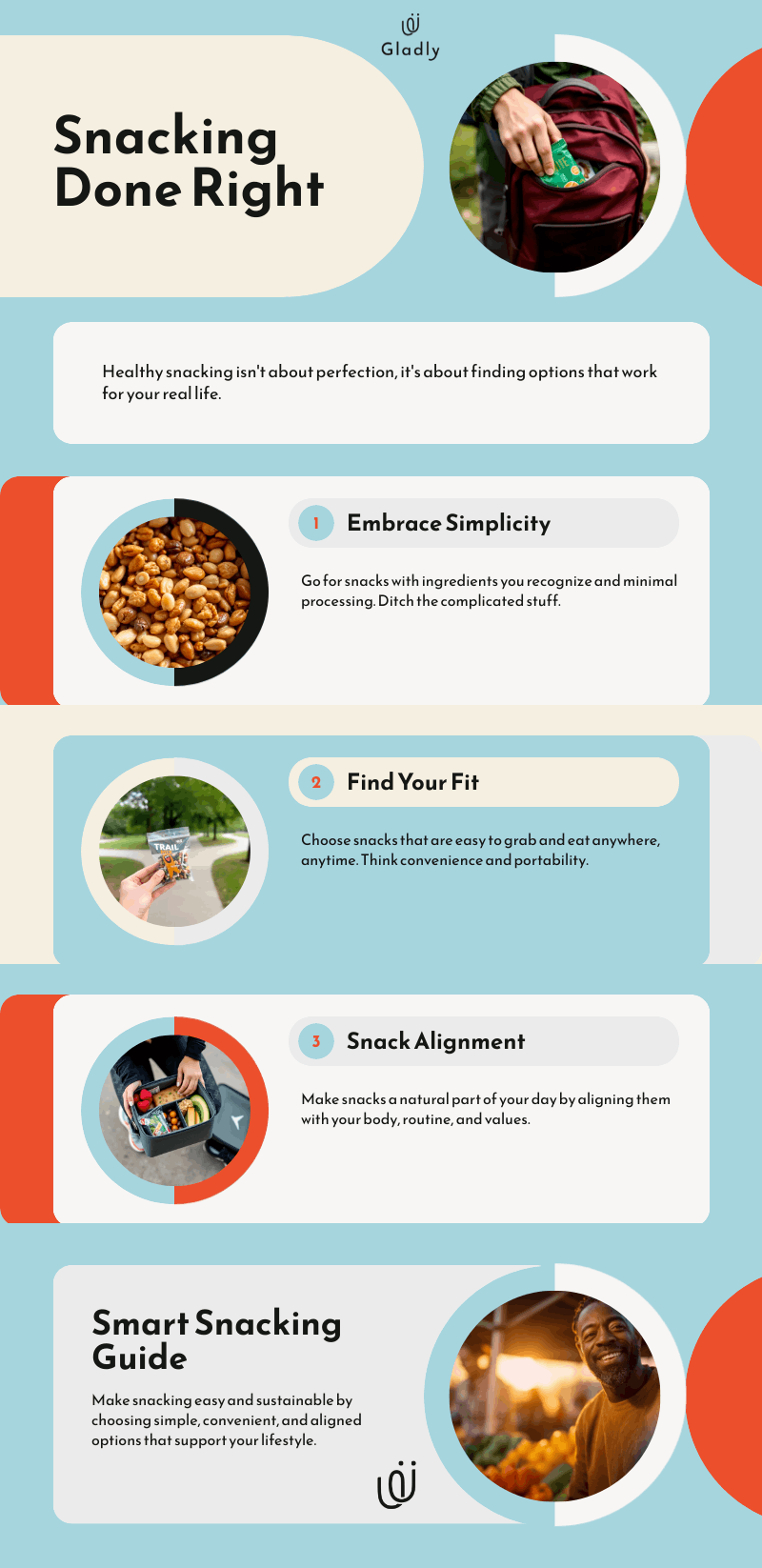
Changing how you snack doesn’t require an overhaul. It starts with noticing what actually satisfies you and what leaves you searching for something else an hour later. That awareness is more valuable than any nutrition label.
The shifts can be small and concrete. Swap one processed bar for dried fruit. Choose snacks with ingredient lists you can read out loud without stumbling. Trust brands that tell you where their food comes from and why it matters. These aren’t dramatic changes—they’re adjustments that fit into the life you’re already living.
At Gladly, we believe conscious eating should feel natural, not restrictive. Our marketplace brings together brands that prioritize transparency, quality, and real ingredients—so your everyday choices can align with what you value. Joining is free, and inside you’ll find options that make intentional snacking easier and more enjoyable.
Every snack is a chance to choose something that works—for your body, your routine, and your values. Those small decisions add up, and they matter more than you might think.