

Leadership isn’t about claiming the spotlight. It’s about making sure everyone else shines. That’s not false humility or motivational-poster wisdom — it’s a strategic discipline that builds sustainable success. The best leaders know their job isn’t to be the hero of every story. It’s to set the stage, support the cast, and celebrate when the team delivers something extraordinary.
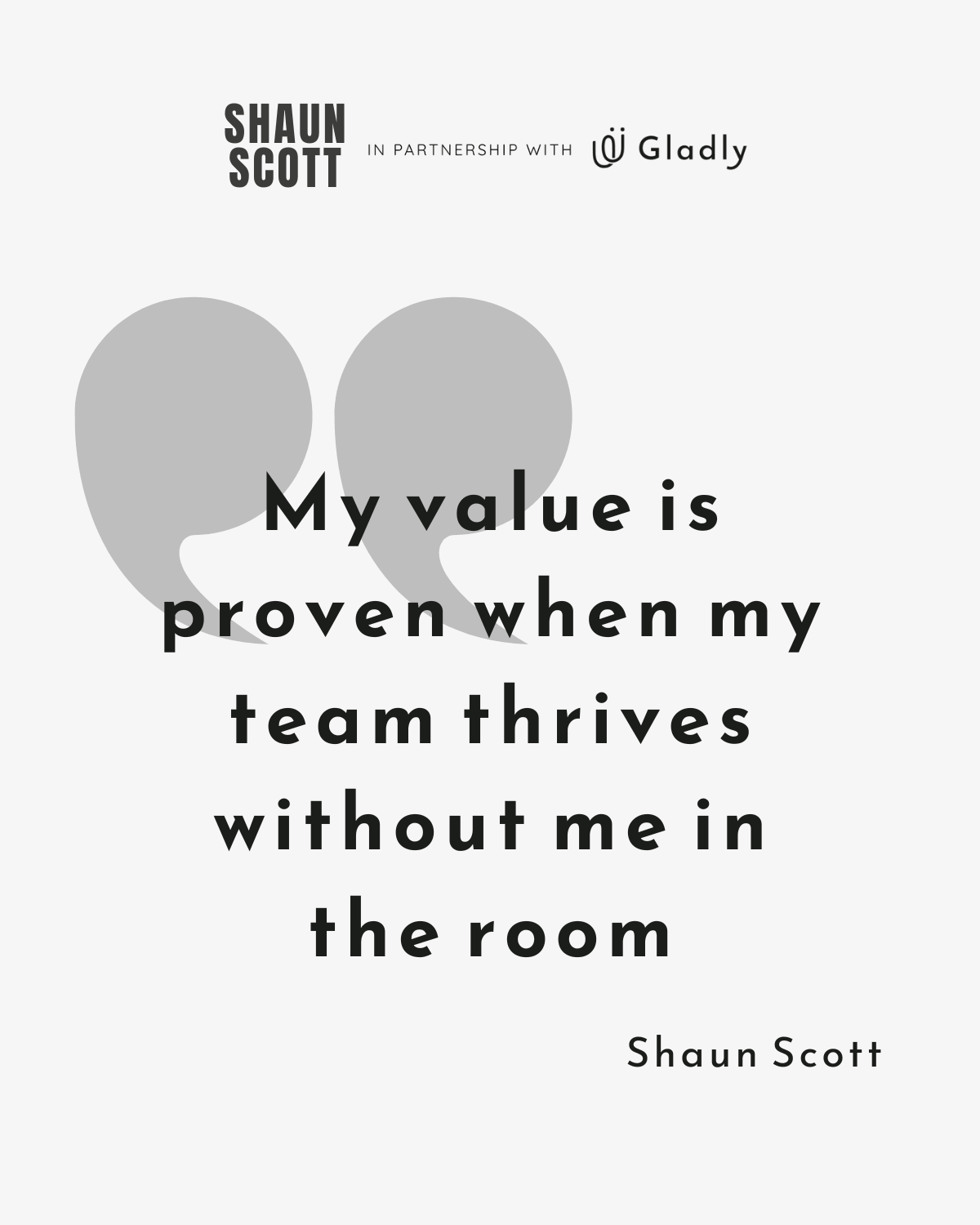
I’ve competed in regional MMA, pulled planes for charity, and survived American Ninja Warrior. But the hardest endurance test? Building teams that thrive without me in front. That shift — from performer to platform — changes everything.
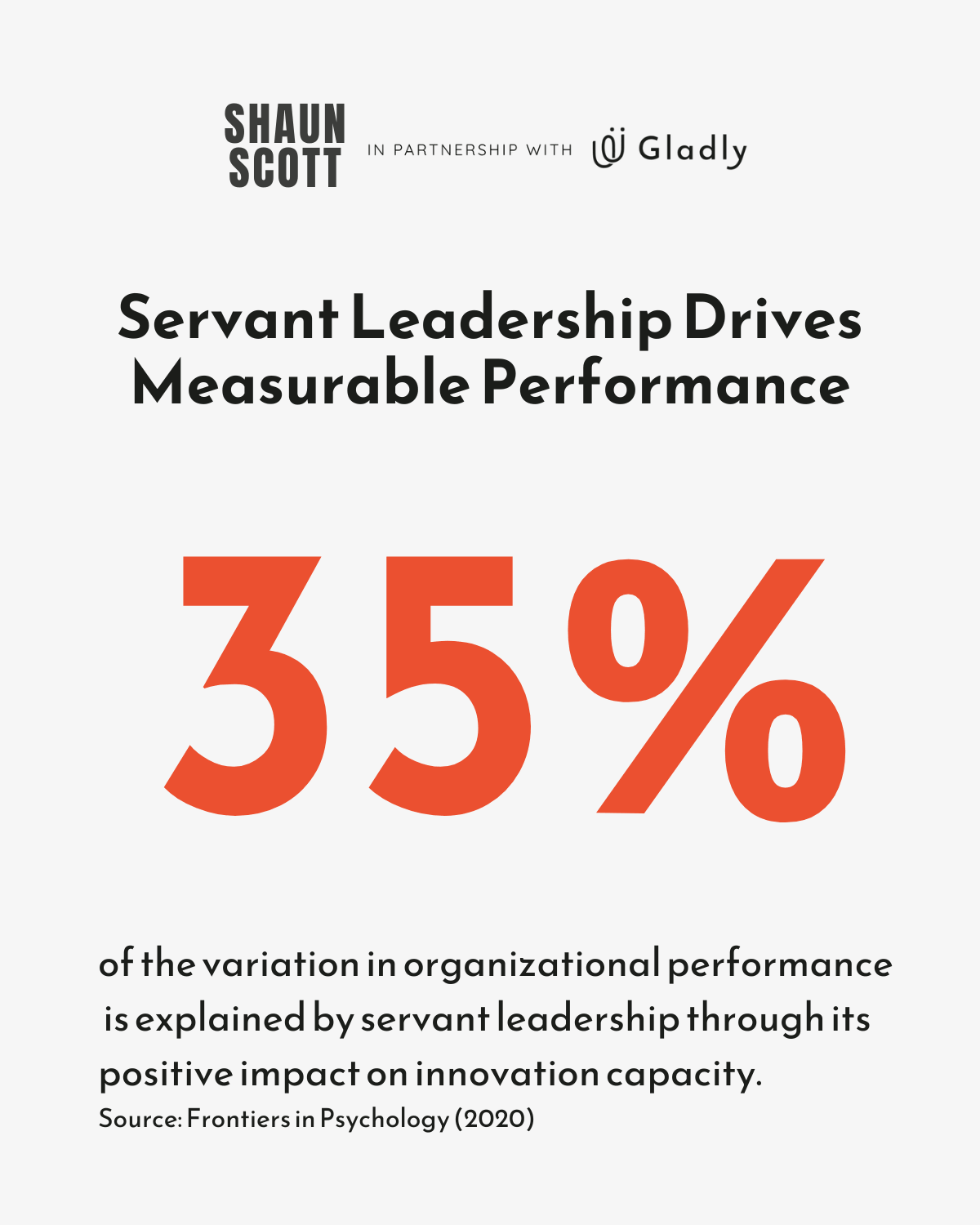
Servant leadership explains up to 35.6% of the variation in organizational performance through its positive influence on innovation capacity and performance.
The Spotlight Trap
Early in my career, I wanted credit. I wanted my name on the win. That’s natural — we’re wired to seek recognition. But leadership built on personal glory has a short shelf life. When your team knows you’re using their work to build your brand, trust erodes. Innovation stalls. People stop bringing their best ideas because they know who’ll get the credit.
The spotlight trap looks like success on the surface. You’re visible. You’re celebrated. But underneath, you’re building a system that collapses the moment you’re not there. Real leadership creates momentum that outlasts your presence.
What Happens When You Step Back
When you remove yourself from the center, something unexpected happens: your team levels up. They stop waiting for permission. They start owning outcomes. They bring solutions instead of problems.
According to research from the Greater Good Science Center at UC Berkeley, leaders who prioritize collective success over personal recognition create environments where psychological safety and innovation thrive.
This isn’t about disappearing. It’s about redirecting energy. You’re still leading — you’re just leading differently.
Service, Not Spotlight
The best leaders I know operate like stage managers, not lead actors. They’re obsessed with setup: clearing obstacles, connecting people, and making sure everyone has what they need to execute. They ask better questions: “What’s blocking you?” “Who else should be in this conversation?” “How can I help you win?”
This approach requires ego discipline. You have to genuinely want others to succeed more than you want applause. That’s not weakness — it’s strategic clarity. When your team wins, you win. When they grow, your capacity grows. When they shine, your leadership is proven.
The Before/After Shift
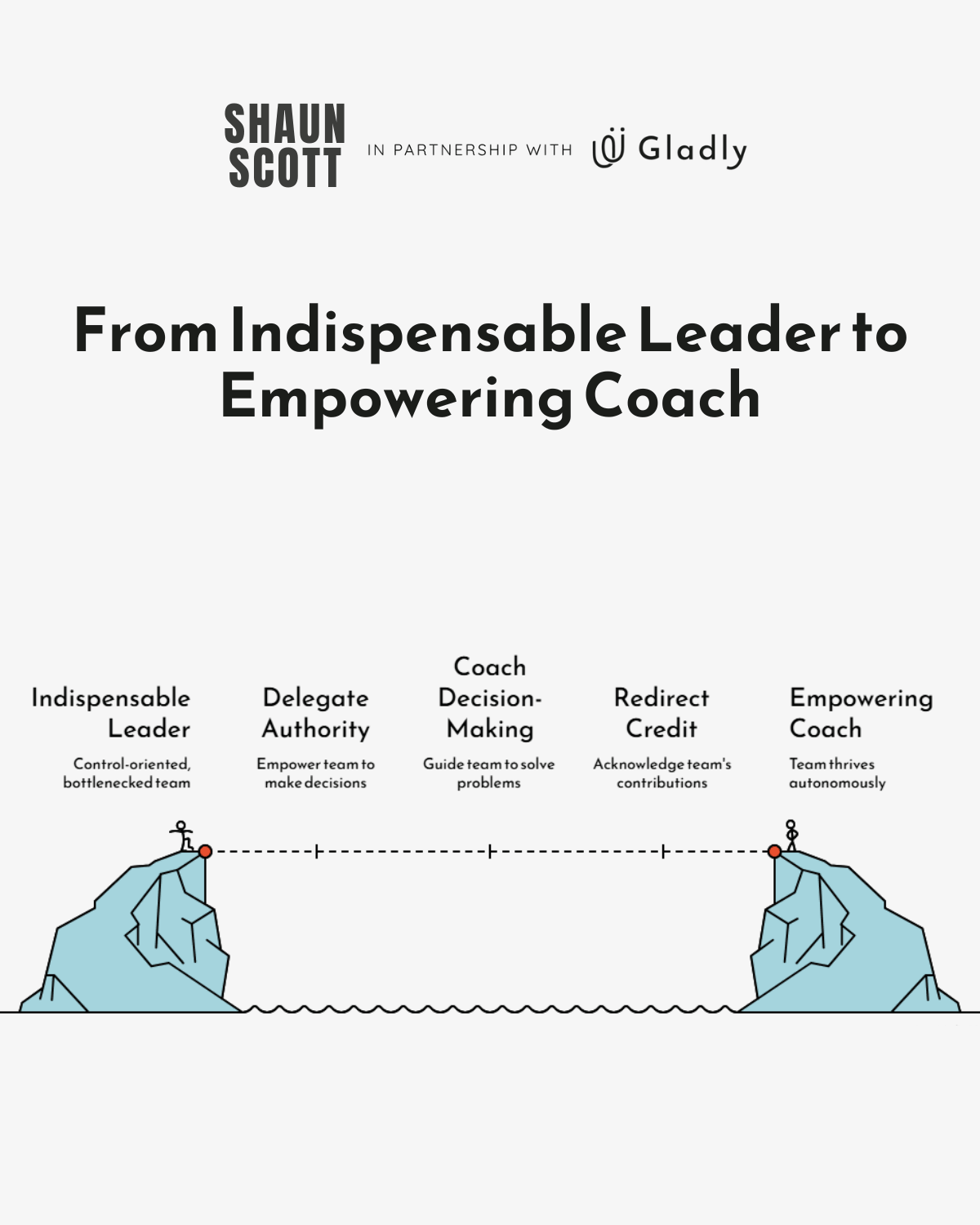
That reframe changes how you spend your time. Instead of hoarding decisions, you delegate authority. Instead of micromanaging execution, you coach capability. Instead of taking credit, you amplify contributors. The result? Teams that operate at full capacity, not half-speed waiting for your approval.
Building Systems That Multiply Success
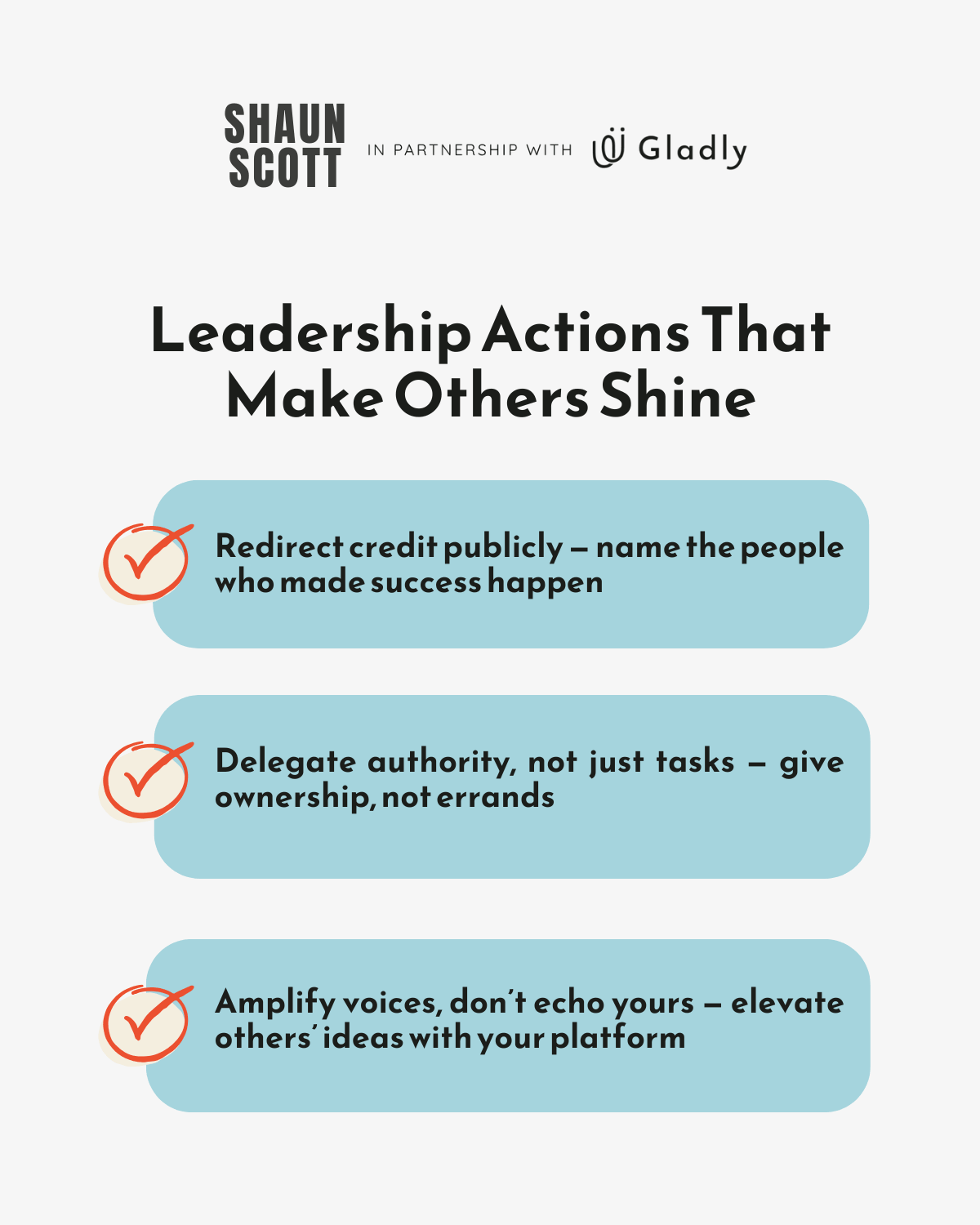
Leadership that makes others shine isn’t accidental. It’s engineered. You create conditions where people can do their best work, then you protect those conditions relentlessly. That means fighting for resources, running interference on distractions, and celebrating small wins publicly.
It also means being honest when things aren’t working. Authenticity and accountability go hand in hand. If someone’s struggling, you address it directly — not to punish, but to support. If a process is broken, you fix it. If credit’s being misallocated, you correct the record. According to Harvard Business Review, leaders who prioritize team success over personal visibility build cultures of trust and high performance.
Tools That Support Team-First Leadership
The right systems amplify this approach. Motivosity helps teams build cultures of recognition where peer-to-peer appreciation becomes routine, not rare. When gratitude flows freely, people feel seen — and that visibility fuels performance. Similarly, Zola creates collaborative planning experiences that center the collective, not the individual. These tools reflect a principle I’ve carried from the ring to the boardroom: prepare relentlessly, execute with integrity, and help your opponent up when the round’s over. That’s not softness. That’s understanding that sustainable success comes from building others up, not standing on their shoulders.
What This Looks Like in Practice
This approach doesn’t make you invisible. It makes you indispensable in a different way. People want to work with leaders who make them better. They stay loyal to systems that help them grow. They bring their best energy to environments where their contributions are seen and valued.
Leadership isn’t a solo act. It’s a discipline. And the ultimate win? Watching your team achieve things they didn’t think possible — because you built the conditions for them to shine.
Ready to lead differently? Explore Shaun Scott’s perspective on purpose-driven leadership and discover how Gladly Shop supports leaders in building systems that help others shine.