

Hidden toxins everyday products contain don’t stop at skincare. You read labels on your serums. You might even shop at brands like Lillies Natural Roots for non-toxic skincare. But what about everything else?
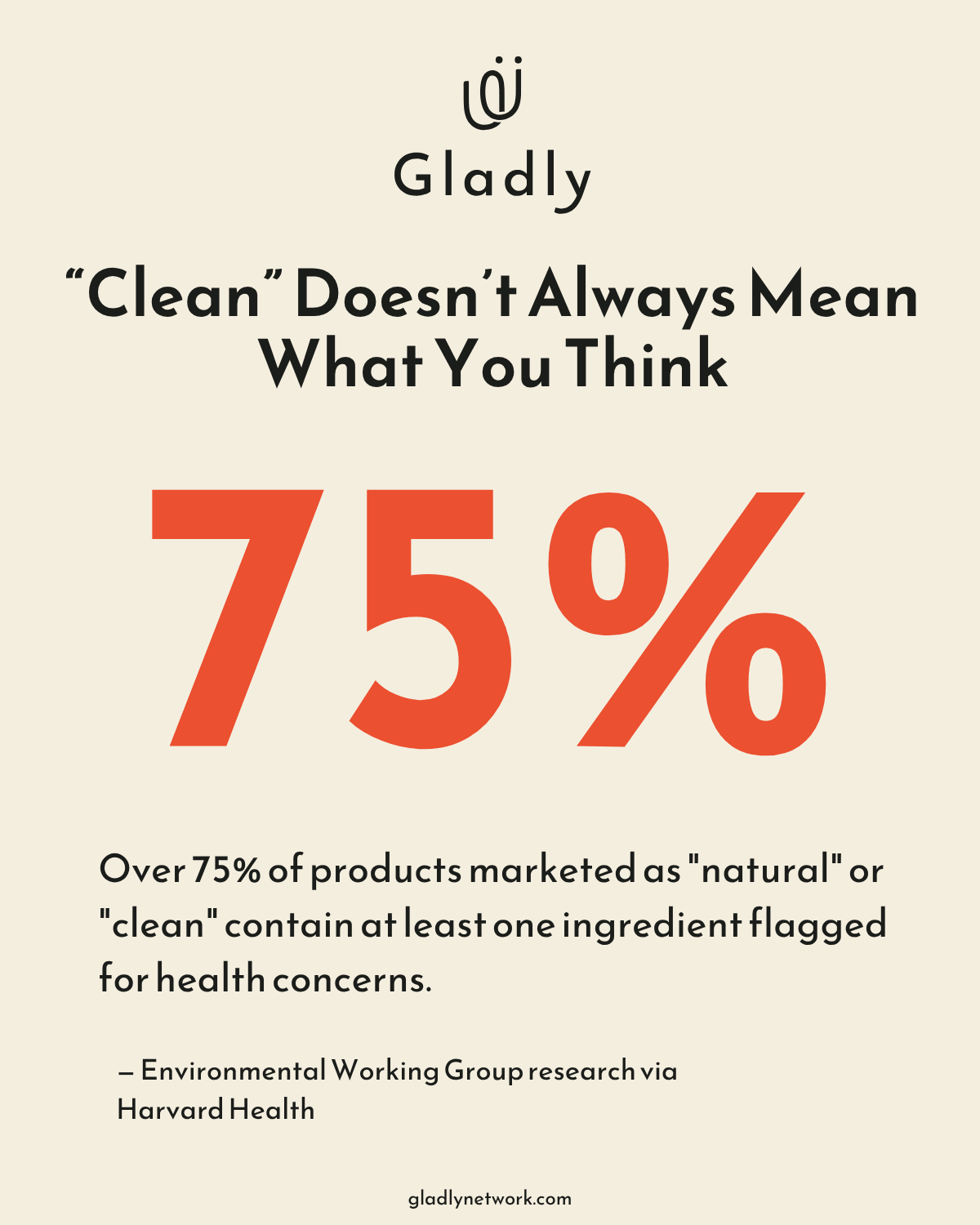
Here’s the thing: hidden toxins everyday products contain don’t stop at your bathroom counter. They’re in your laundry room, under your kitchen sink, and even in the air you breathe at home. According to research from Harvard Health, over 75% of products marketed as “natural” or “clean” contain at least one ingredient flagged for health concerns.
The wellness movement taught us to scrutinize our beauty routines—but we’re still using products with questionable ingredients in nearly every other category. Let’s change that.
Why “Clean” Doesn’t Always Mean Toxin-Free
The term “clean” isn’t regulated. Neither is “natural,” “eco-friendly,” or “non-toxic.” Brands can use these words without meeting any standardized criteria, which means a product labeled “clean” might still contain synthetic fragrances, preservatives, or undisclosed chemical additives.
Even more surprising
Ingredient disclosure laws have loopholes. “Fragrance” on a label can legally hide dozens of undisclosed chemicals—many of which have never been tested for long-term safety. The same goes for “parfum” or proprietary blends listed vaguely on household cleaners and personal care items.
This isn’t about perfection. It’s about transparency. When you know what’s actually in your products, you can make intentional choices that align with how you want to live.
As wellness trends have driven demand for transparency, consumers are starting to ask better questions—not just about skincare, but about everything they bring into their homes.
8 Hidden Toxins Everyday Products Still Contain
You might be surprised where these toxic household items show up. Here are eight common sources of hidden toxins most people overlook—even after switching to “clean” beauty.
1. Conventional Laundry Detergent
Many popular detergents contain optical brighteners, synthetic fragrances, and preservatives that can release formaldehyde over time. These linger on fabrics and absorb through your skin all day long.
What to look for: Fragrance-free, plant-based formulas with disclosed ingredient lists.
2. Scented Candles
Paraffin wax releases volatile organic compounds (VOCs) when burned. Add synthetic fragrance oils, and you’re breathing in phthalates and benzene derivatives—chemicals linked to respiratory irritation and endocrine disruption.
Better swap: Soy or beeswax candles scented with pure essential oils, or brands that prioritize ingredient transparency like Second Life Candles.
3. Air Fresheners and Plug-Ins
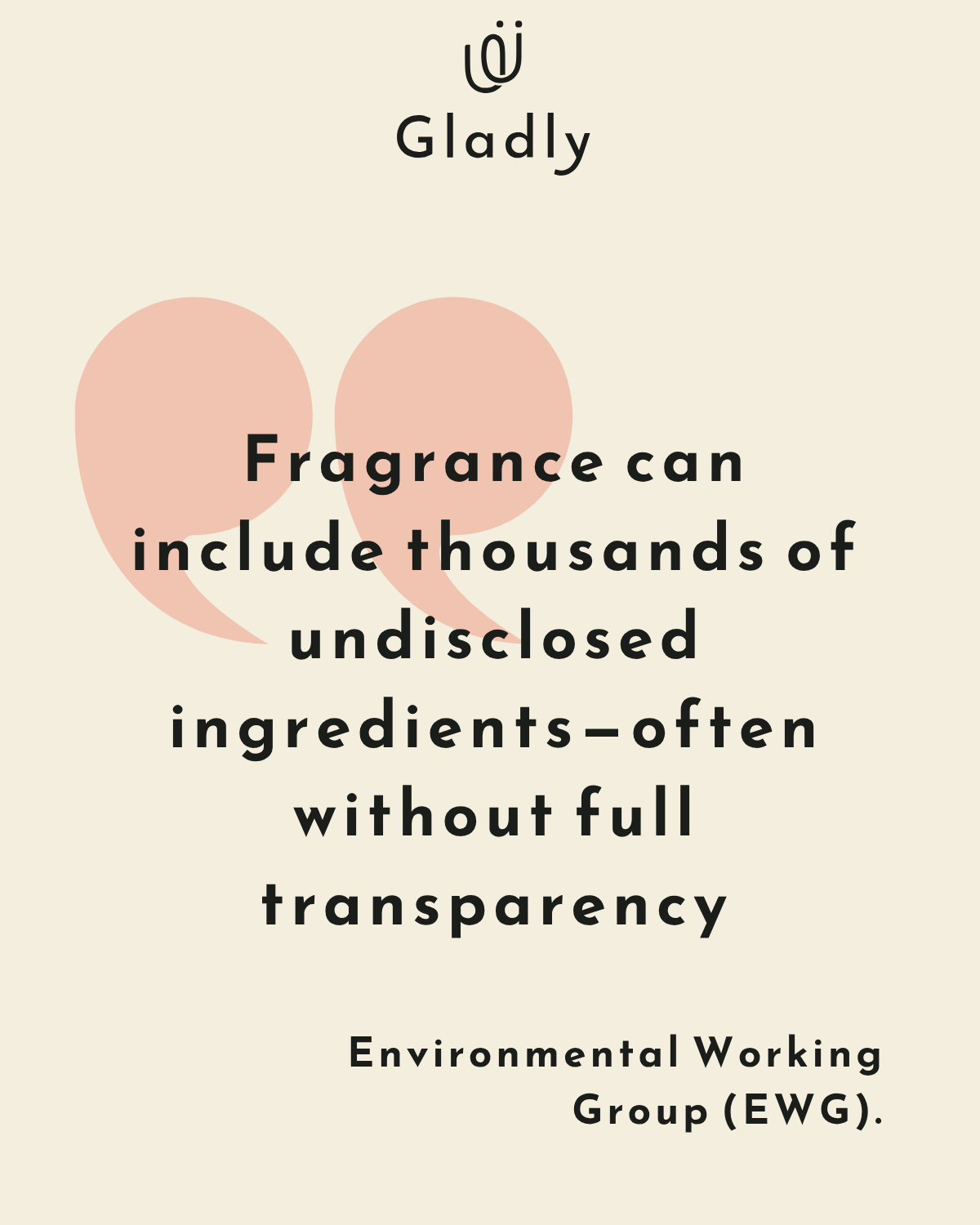
Air fresheners mask odors with synthetic compounds instead of eliminating the source. As the Environmental Working Group explains, “fragrance can be made up of a mix of more than 3,500 chemicals, and companies aren’t required to disclose what’s in it”.
Smarter option: Solutions like hypochlorous acid—used by brands like The Hypochlorous Company—neutralize odor-causing bacteria without harsh additives.
4. Dish Soap
Most conventional dish soaps contain sodium lauryl sulfate (SLS), artificial dyes, and triclosan—an antibacterial agent that disrupts hormone function and contributes to antibiotic resistance.
Look for: Plant-derived surfactants, no synthetic fragrances, and EWG-verified formulas.
5. Dryer Sheets
Those soft, fresh-smelling clothes? They’re coated in quaternary ammonium compounds (quats), synthetic fragrances, and acetone. These chemicals don’t rinse out—they transfer directly to your skin.
Try instead: Wool dryer balls with a few drops of essential oil, or skip fabric softeners entirely.
6. All-Purpose Cleaners
Ammonia, chlorine bleach, and 2-butoxyethanol are common in multi-surface cleaners. They’re effective, sure—but they also off-gas fumes that irritate lungs and eyes, especially in poorly ventilated spaces.
Cleaner choice: Vinegar-based or plant-powered cleaners, or solutions made with hypochlorous acid, which disinfects naturally without harsh chemicals.
7. Non-Stick Cookware
PFAS (per- and polyfluoroalkyl substances) used in non-stick coatings don’t break down in the environment—or in your body. When heated, they release toxic fumes and degrade into your food.
Swap to: Stainless steel, cast iron, or ceramic cookware.
8. Plastic Food Storage Containers
BPA and phthalates leach from plastic into food, especially when heated. Even “BPA-free” plastics often contain substitute chemicals like BPS, which may carry similar risks.
Better for you: Glass or stainless steel storage containers.
How to Spot and Swap Toxic Household Items
Making the shift doesn’t mean overhauling your entire home overnight. Start with the products you use most often, and apply the same scrutiny you’d give a serum or moisturizer.
Read the full ingredient list—not just the front label
If a product lists “fragrance” without specifying what that means, consider it a red flag. Look for brands that disclose every ingredient and avoid vague terms.
Prioritize fragrance-free or naturally scented options
Synthetic fragrances are one of the most common sources of hidden toxins. If you want scent, choose products that use pure essential oils or naturally derived extracts.
Switch high-contact items first
Laundry detergent, dish soap, and cleaning sprays touch your skin, dishes, and fabrics daily. These are worth upgrading before less frequently used products.
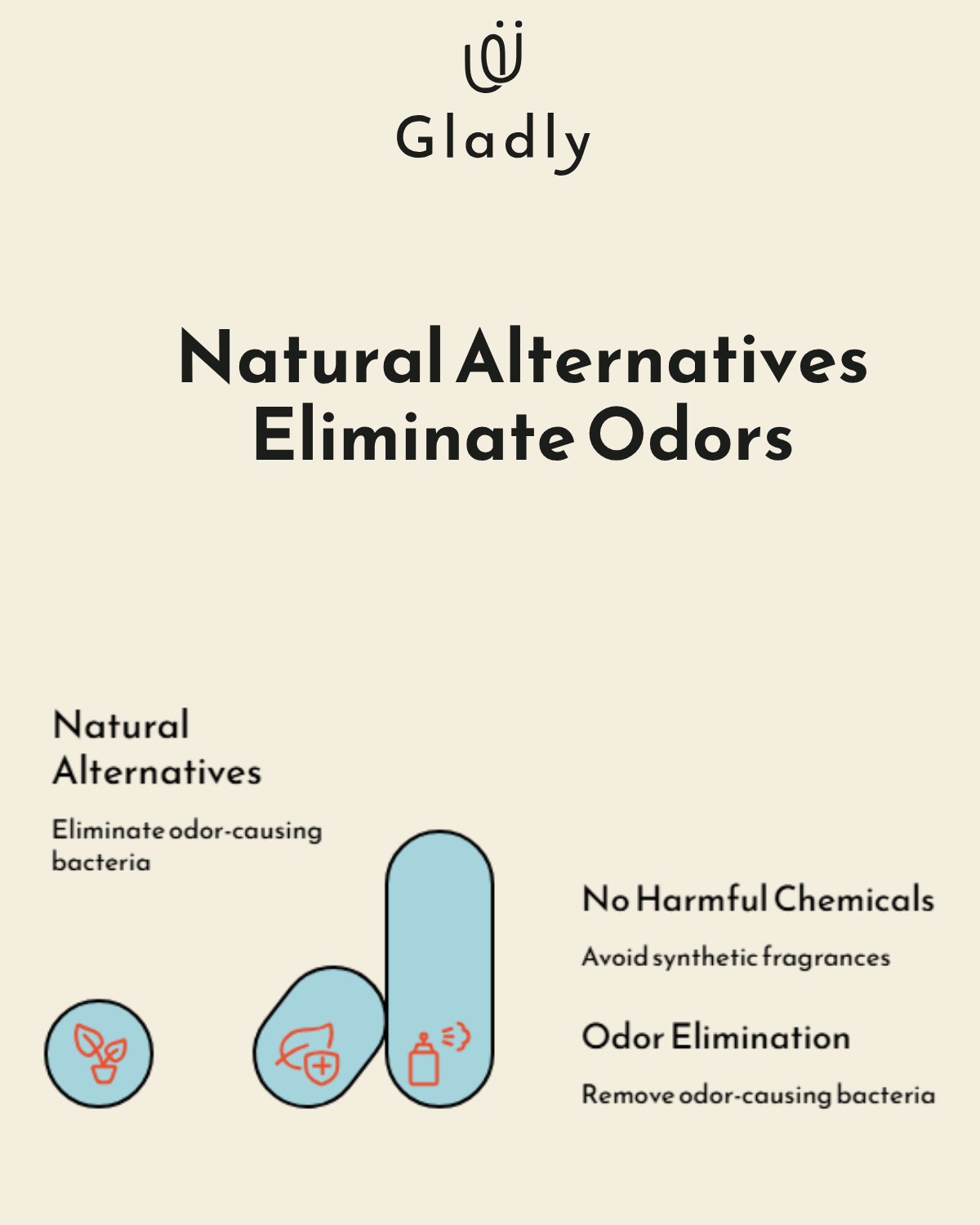
BEFORE: Conventional air fresheners mask odors with synthetic fragrances and phthalates.
AFTER: Natural alternatives like hypochlorous acid eliminate odor-causing bacteria without harmful chemicals.
Even small swaps add up. Choosing a toxin-free laundry detergent means every piece of clothing, towel, and bedsheet in your home becomes part of a cleaner routine. The same applies to what you wear daily—brands like Comfrt Clothing, create everyday essentials designed without harsh fabric treatments.
Building a Truly Clean Home
Here’s the truth: you don’t need to be perfect. You just need to be intentional.
Start by questioning the products you’ve always used without thinking twice. Ask what’s in them. Ask if there’s a better option. The more you know, the easier it becomes to make choices that align with how you want to feel in your space.
Use this checklist to guide your swaps:
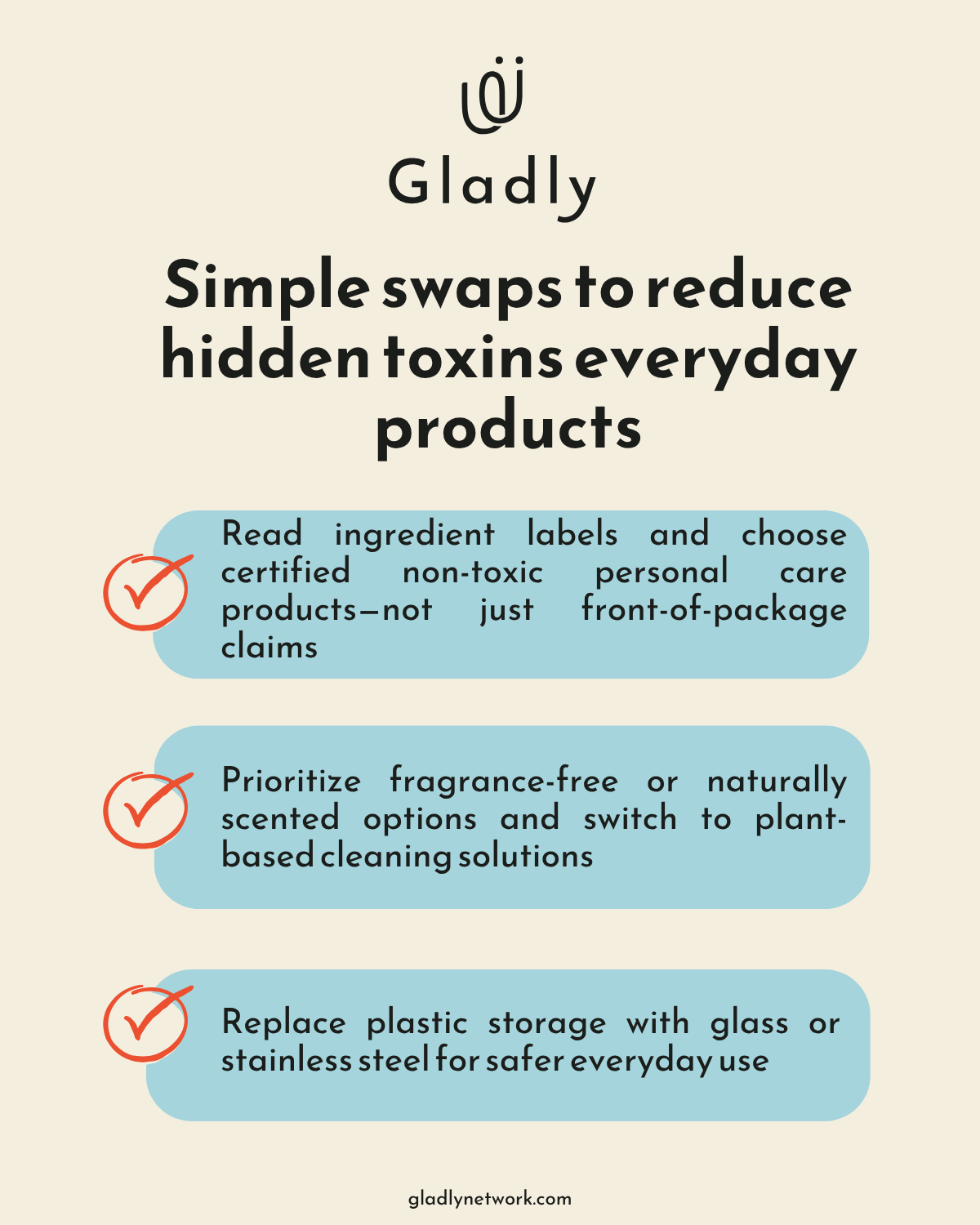
✓ Read ingredient labels, not just front-of-package claims
✓ Prioritize fragrance-free or naturally scented options
✓ Switch to plant-based cleaning solutions
✓ Choose certified non-toxic personal care products
✓ Replace plastic storage with glass or stainless steel
Building a clean home isn’t about buying everything at once. It’s about thoughtful upgrades, one product at a time.
When you’re ready to explore brands that prioritize transparency and safer ingredients across every category—not just beauty—visit Gladly Shop to discover purpose-driven products that actually align with how you want to live.
You’ve already rethought what goes on your skin. This is just the next step—rethinking what surrounds you.