At Gladly Network, we’re passionate about promoting sustainability across every industry, and the dental sector is no exception. Dental offices have many opportunities to adopt eco-friendly practices that reduce waste, improve efficiency, and create healthier environments for both patients and staff.
A sustainable office can benefit the environment, lower operating costs, and strengthen patient satisfaction. In this post, we’ll explore practical strategies and best practices for dental professionals who want to make their offices more environmentally responsible.
How Can Dental Offices Go Green?
Sustainable Dental Supplies
Dental practices can begin their eco-friendly journey by switching to biodegradable and recyclable supplies. Many manufacturers now offer greener alternatives to traditional products. Bamboo toothbrushes can replace plastic options, while dental floss made from corn-based plastic (PLA) can serve as a more sustainable substitute for nylon floss. These choices help reduce plastic waste and appeal to environmentally conscious patients.
Energy-Efficient Equipment
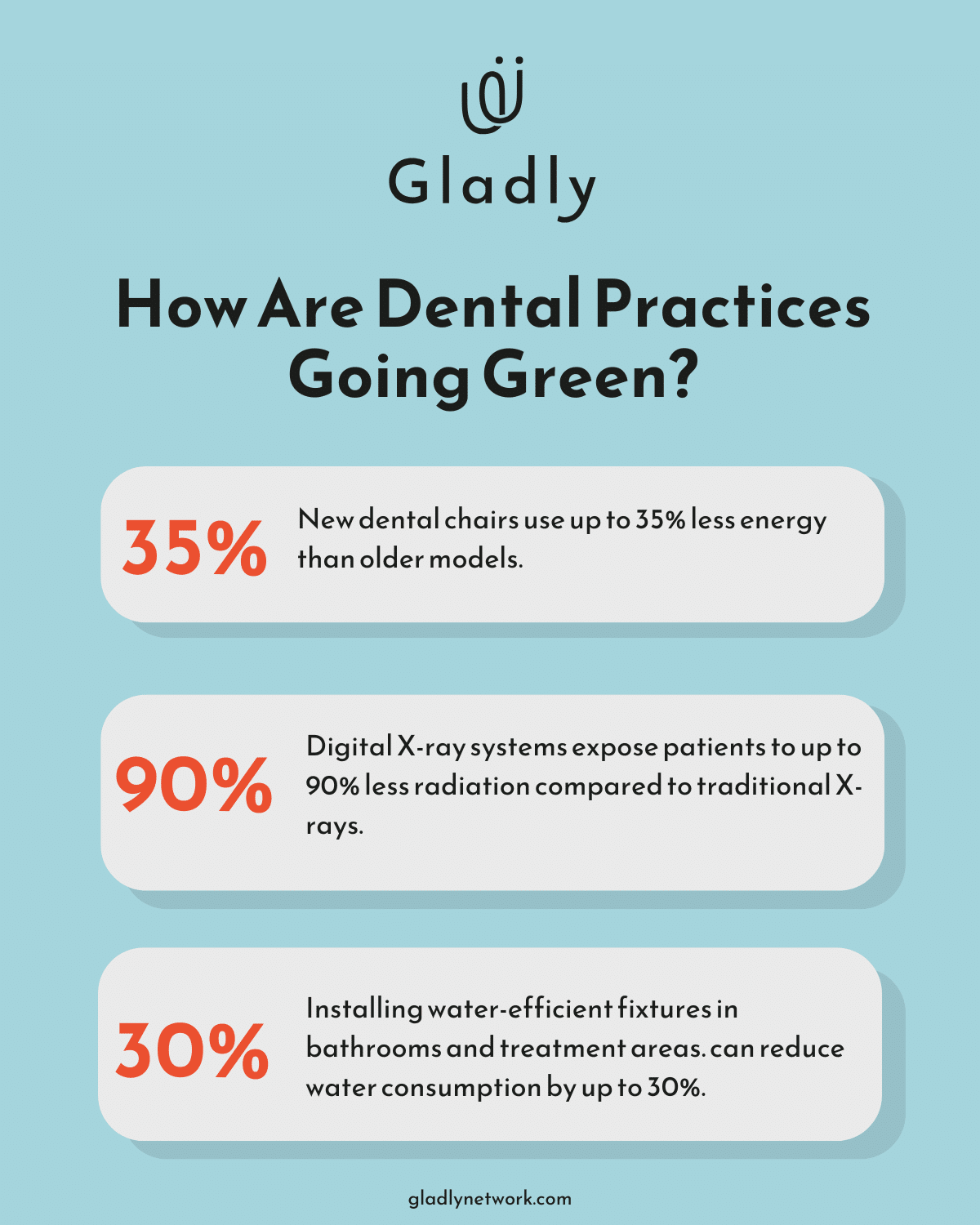
Modern dental equipment can play a major role in sustainability efforts. Newer dental chairs may use significantly less energy than older models, and Energy Star-certified equipment helps ensure better performance with lower power consumption. Sterilizers and autoclaves with energy-saving modes can also reduce electricity use during off-peak hours and improve overall efficiency.
Digital Transformation
Digital technology can dramatically reduce paper waste while improving workflow. Digital X-ray systems eliminate the need for film and processing chemicals, and they can also reduce patient radiation exposure compared to traditional methods. Paperless record-keeping systems help save thousands of sheets of paper each year, while electronic health records improve efficiency by giving dental teams faster access to medical histories and treatment plans.
Eco-Friendly Office Design
The physical design of a dental office also creates opportunities for sustainability. Low-VOC paints and environmentally responsible flooring materials, such as bamboo or recycled rubber, can support a healthier indoor environment. Installing water-efficient fixtures in bathrooms and treatment areas can further reduce water usage without affecting patient care.
Green Cleaning Practices
Dental offices can strengthen their sustainability efforts by adopting greener cleaning practices. Non-toxic and biodegradable cleaning products help reduce harmful chemical exposure for both staff and patients. Reusable microfiber cloths can also replace disposable paper towels in many day-to-day cleaning tasks, cutting waste while maintaining cleanliness.
An important part of sustainable dental care is choosing cleaning and disinfecting products that are both effective and environmentally responsible. That’s where The Hypochlorous Company comes in. Their mission is to raise awareness of the benefits of hypochlorous acid, a powerful yet naturally derived disinfectant. With a proprietary process that extends shelf life, their USDA-certified organic solution offers a safer and greener alternative for dental offices that want to maintain high hygiene standards while reducing chemical waste. By integrating hypochlorous acid into daily sanitation protocols, dental professionals can support a cleaner environment without compromising sustainability.
Minimizing Waste in Dental Practices
Dental offices generate a considerable amount of waste, but there are many ways to reduce environmental impact without compromising patient care. In many cases, small operational changes can lead to meaningful sustainability improvements over time.
Comprehensive Recycling Programs
A thorough recycling program is essential for dental practices. While many offices already recycle paper and plastics, there are additional opportunities to improve. Dental materials such as extracted teeth, amalgam, lead foils, fixer solutions, and developer chemicals often require specialized recycling or disposal services. Building partnerships with qualified recycling facilities and take-back programs can help ensure these materials are handled responsibly instead of ending up in landfills.
Reducing Single-Use Plastics
Single-use plastics are a major source of waste in dental practices. Reusable alternatives can help reduce that burden significantly. For example, glass or stainless steel cups for rinsing can eliminate the need for thousands of disposable plastic cups each year. Sterilizable instrument trays may replace single-use versions, and cloth patient bibs can reduce paper waste. These changes can support both sustainability and long-term cost savings.
Water Conservation Techniques
Water conservation is another important part of sustainable dentistry. Recent research suggests that factors such as experience, education, and office characteristics can influence water sustainability practices in dental settings.
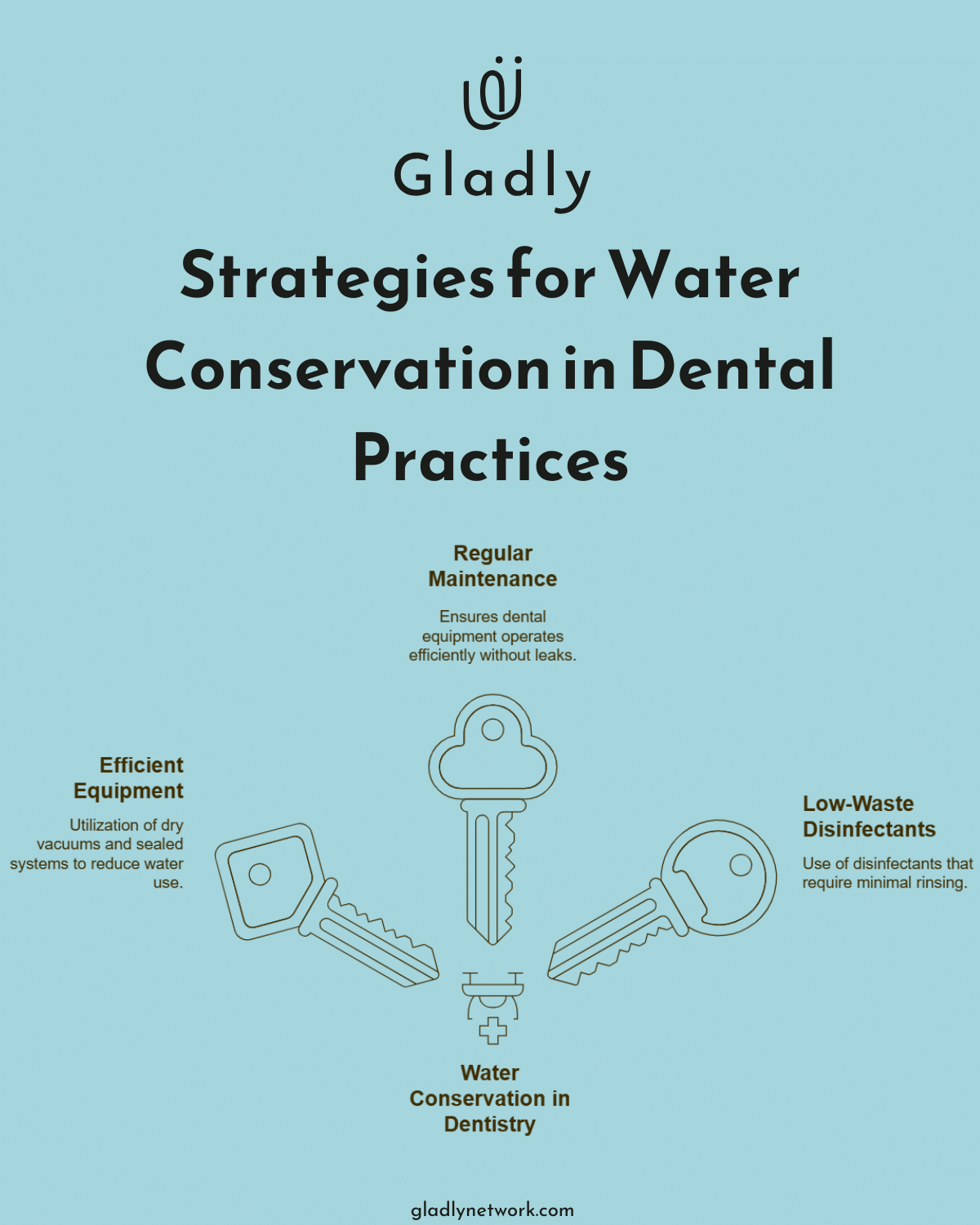
Dry vacuum systems can be an effective alternative to traditional water-ring vacuums, helping practices save substantial amounts of water each day. Sealed coolant delivery systems for handpieces can also reduce unnecessary water use during procedures. In addition, regular maintenance of dental equipment is essential, since even small leaks can waste large amounts of water over time if they go unnoticed.
Choosing low-waste disinfecting solutions can also contribute to water conservation. The Hypochlorous Company, for example, offers a residue-free disinfectant that may require little to no rinsing. This can help dental offices reduce water use while maintaining strong sanitation standards.
How Dental Offices Can Save Energy
Upgrade to LED Lighting
Dental offices can significantly reduce energy consumption by switching to LED lighting. LED bulbs use far less energy than traditional incandescent bulbs and last much longer, making them a practical and cost-effective improvement. Motion sensors in low-traffic areas such as storage rooms and bathrooms can further reduce unnecessary electricity use by ensuring lights operate only when needed.
Implement Smart Climate Control
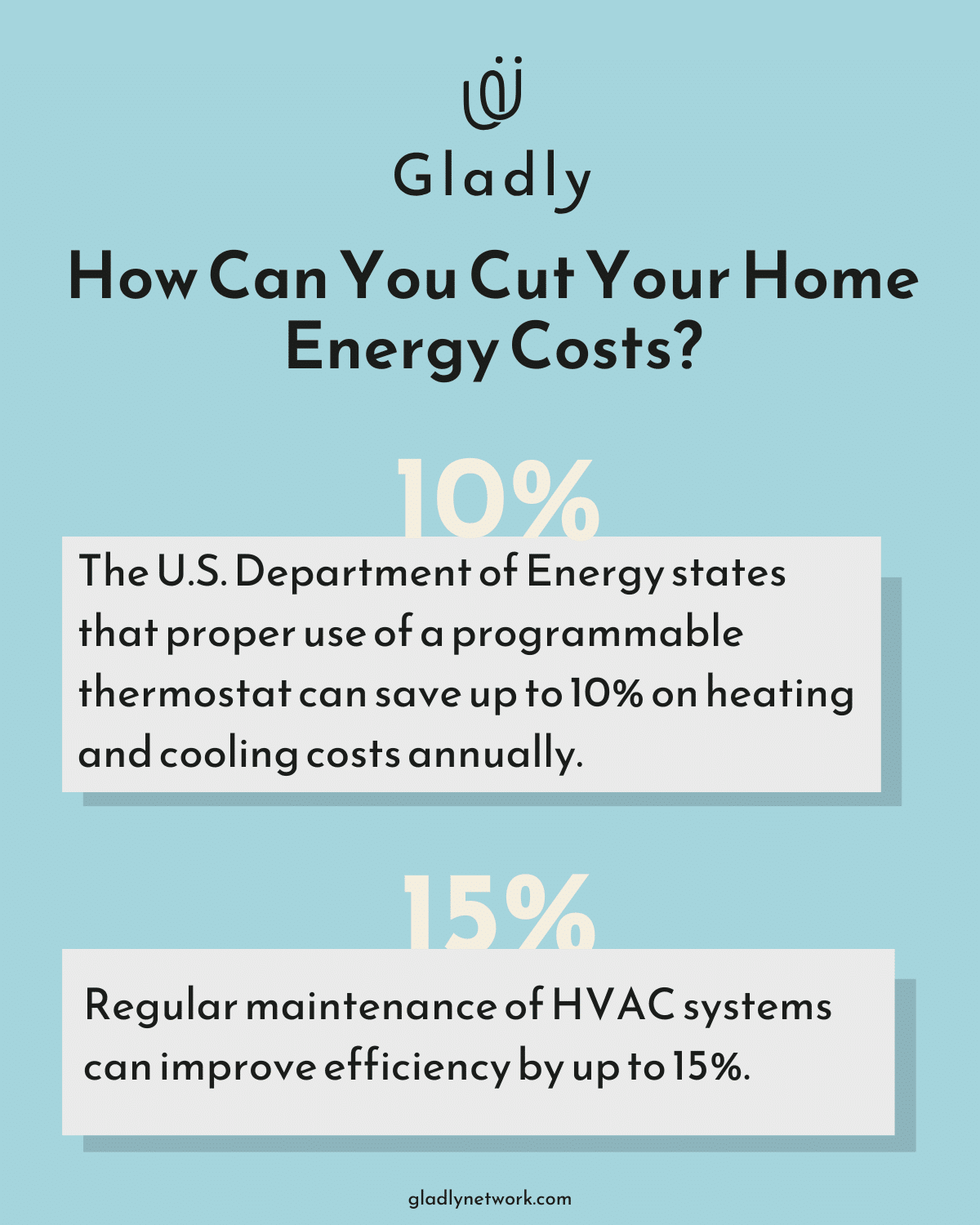
Heating, ventilation, and air conditioning systems often account for a large share of a dental office’s energy use. Smart thermostats can help manage this more efficiently by adjusting temperatures based on occupancy and time of day.
The U.S. Department of Energy has noted that proper use of programmable thermostats can reduce heating and cooling costs. For dental offices, this may translate into meaningful annual savings. Routine HVAC maintenance is equally important. Clean filters, sealed ducts, and well-maintained components can improve efficiency and help systems perform more reliably over time.
Integrate Renewable Energy Sources
For dental practices looking to make a larger impact, renewable energy offers a compelling option. Solar panels, in particular, have become more accessible and efficient in recent years. Rooftop solar installations may help offices offset a substantial portion of their electricity use while reducing long-term utility costs.
Some practices also explore power purchase agreements, in which a third party installs and maintains the solar system while the office purchases the electricity at a fixed rate. This model can make renewable energy more accessible by reducing the need for a large upfront investment.
Optimize Equipment Usage
Dental equipment can consume a significant amount of energy, so efficient usage matters. Scheduling appointments strategically can reduce idle time for equipment, while turning devices off when not in use helps prevent unnecessary power consumption. Unplugging devices that draw standby power can also lower energy waste.
When it is time to replace old equipment, investing in energy-efficient models can make a meaningful difference. Many newer dental devices, including X-ray systems and sterilizers, are designed with energy-saving features that support both sustainability and operational efficiency.
Final Thoughts
Creating a sustainable office can transform the way a dental practice operates. Eco-friendly materials, waste reduction strategies, and energy-efficient systems can reduce environmental impact while also improving efficiency and, in many cases, profitability. Even small changes, such as adopting biodegradable supplies or expanding recycling efforts, can make a meaningful difference.
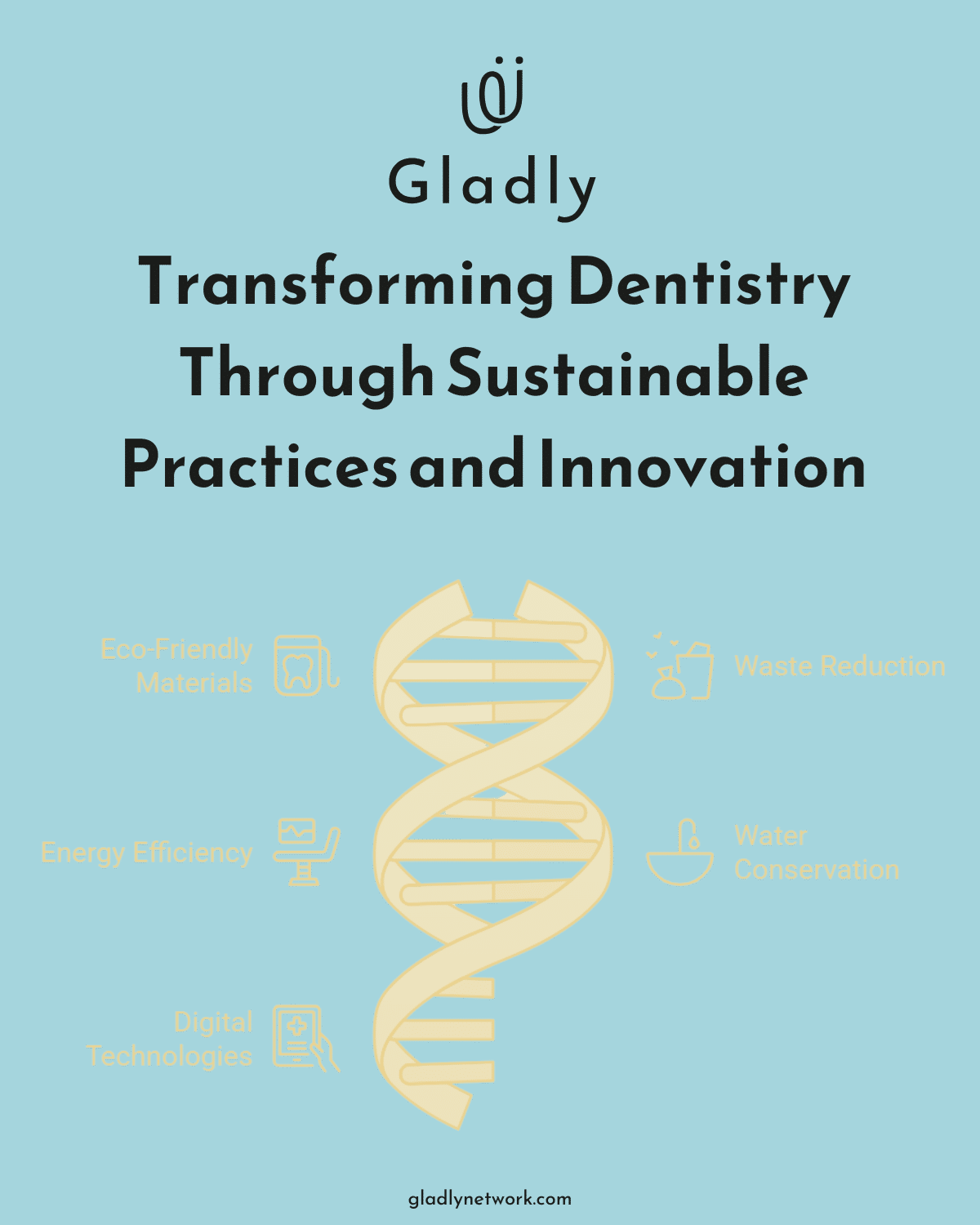
Water and energy conservation strategies also support long-term sustainability, while digital technologies can improve both patient care and operational performance. As more patients value environmentally responsible businesses, sustainable practices can also strengthen trust, loyalty, and referrals.
Do you know a dentist who is implementing sustainable cleaning practices in their office? Recognizing their efforts is an act of kindness. Nominate them by sharing their story on Instagram with the hashtag #getgladly. Your nomination could win you bespoke rewards from our partner brands.