

Dental offices generate a significant amount of waste, which contributes to growing environmental concerns. At Gladly Network, we believe that making eco-conscious choices in dental practices can create a meaningful positive impact.
Switching to sustainable office products in dental settings not only helps reduce environmental harm, but also supports a healthier workplace. This guide will help you better understand eco-friendly dental supplies and make informed decisions for your practice.
What Are Eco-Friendly Dental Products?
Definition and Purpose
Eco-friendly dental products are designed to minimize environmental impact while maintaining high standards of oral care. These products often use sustainable materials, generate less waste, and have a smaller carbon footprint than traditional dental supplies. Their purpose is to support effective dental care while reducing the ecological burden of everyday practice operations.
Environmental Impact of Traditional Dental Supplies
Traditional dental practices can contribute significantly to environmental degradation. Dental waste presents serious environmental concerns because it may include hazardous and toxic substances, such as chemical waste from X-ray processing, mercury from amalgam fillings, and a high volume of plastic disposables.
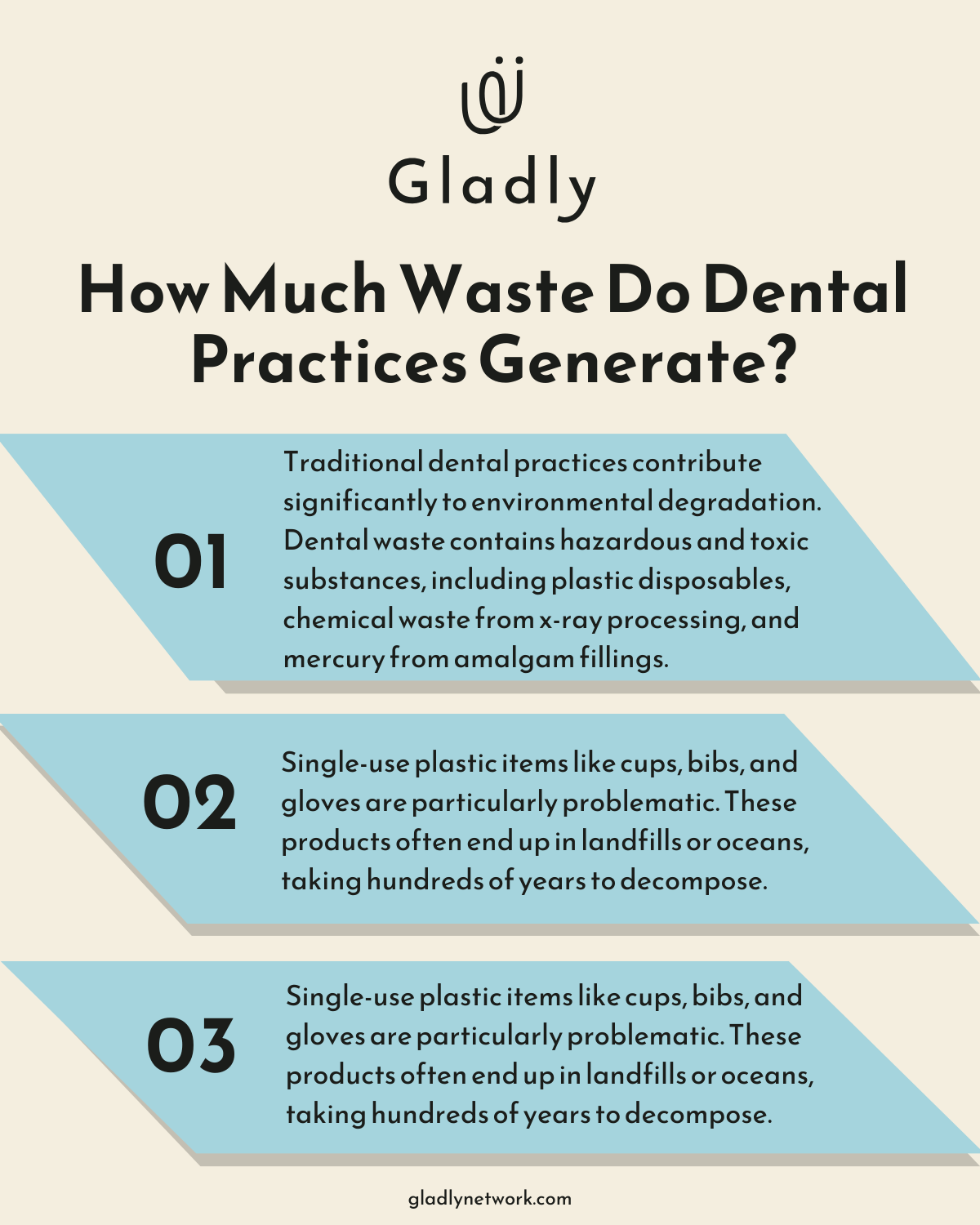
Single-use plastic items such as cups, bibs, and gloves are especially problematic. These products often end up in landfills or oceans and can take hundreds of years to decompose. In addition, their production and disposal contribute to greenhouse gas emissions.
Advantages of Sustainable Alternatives
Switching to eco-friendly dental products offers several benefits for both the environment and dental practices:
- Waste Reduction: Biodegradable alternatives, such as plant-based plastics for disposable items, can break down more naturally and help reduce landfill waste.
- Cost Savings: Reusable instruments and durable equipment can reduce dependency on single-use items and may lower long-term operating costs.
- Energy Efficiency: Energy-efficient dental equipment can reduce power consumption, lower utility bills, and support a more sustainable practice overall.
Transitioning to Eco-Friendly Products
Transitioning to eco-friendly dental products does not require an overnight transformation. Dental practices can begin by identifying areas where sustainable alternatives can make the greatest impact. For example, switching to digital X-rays can eliminate the need for harmful processing chemicals while also reducing radiation exposure.
When selecting eco-friendly products, it is helpful to look for certifications such as Green Seal or EcoLogo, which indicate that products meet recognized environmental standards. It is also important to consider the full lifecycle of each product, from manufacturing to disposal, in order to make more informed and sustainable decisions.
As practices continue moving toward sustainability, understanding the range of eco-friendly products available can make the transition more effective. The right choices can support both patient care and long-term environmental responsibility.
Transforming Your Dental Practice with Eco-Friendly Products
Biodegradable Disposables: A Game-Changer
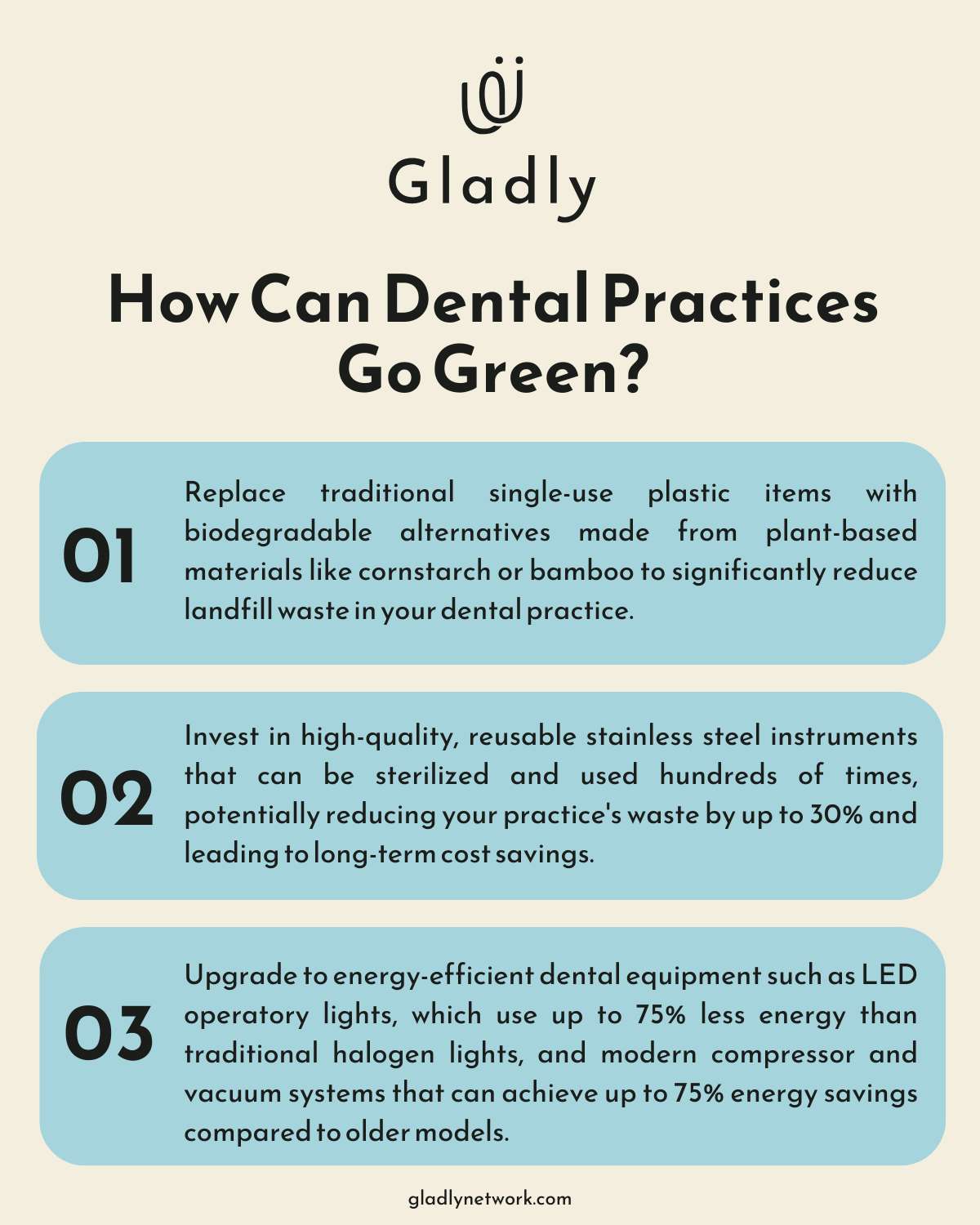
One of the easiest ways to reduce your environmental impact is to switch to biodegradable disposables. These may include cups, bibs, and gloves made from plant-based materials such as cornstarch or bamboo. Unlike conventional plastic items, these products can break down more naturally and help reduce landfill waste.
The dental industry has a meaningful environmental footprint, from disposable plastic products to the energy consumed in daily operations. Plant-based alternatives can provide similar functionality while reducing long-term environmental impact.
Beyond clinical supplies, smaller office details can also support sustainability. Choosing non-toxic, cruelty-free fragrances or diffusers made with essential oils can enhance the patient experience while aligning with environmentally conscious values. Products that are safe for children and pets can help create a more welcoming and responsible office environment.
Reusable Instruments: Sustainability Meets Sterilization
High-quality reusable instruments are an effective way to reduce waste. Stainless steel instruments, when properly sterilized and maintained, can be used many times before replacement. This approach can reduce disposable waste and may also lead to cost savings over time.
A more reusable approach can help dental practices reduce their waste output while maintaining high hygiene standards. Although the initial investment may be higher, the long-term operational and environmental benefits can be substantial.
Energy-Efficient Equipment: Powering a Greener Future
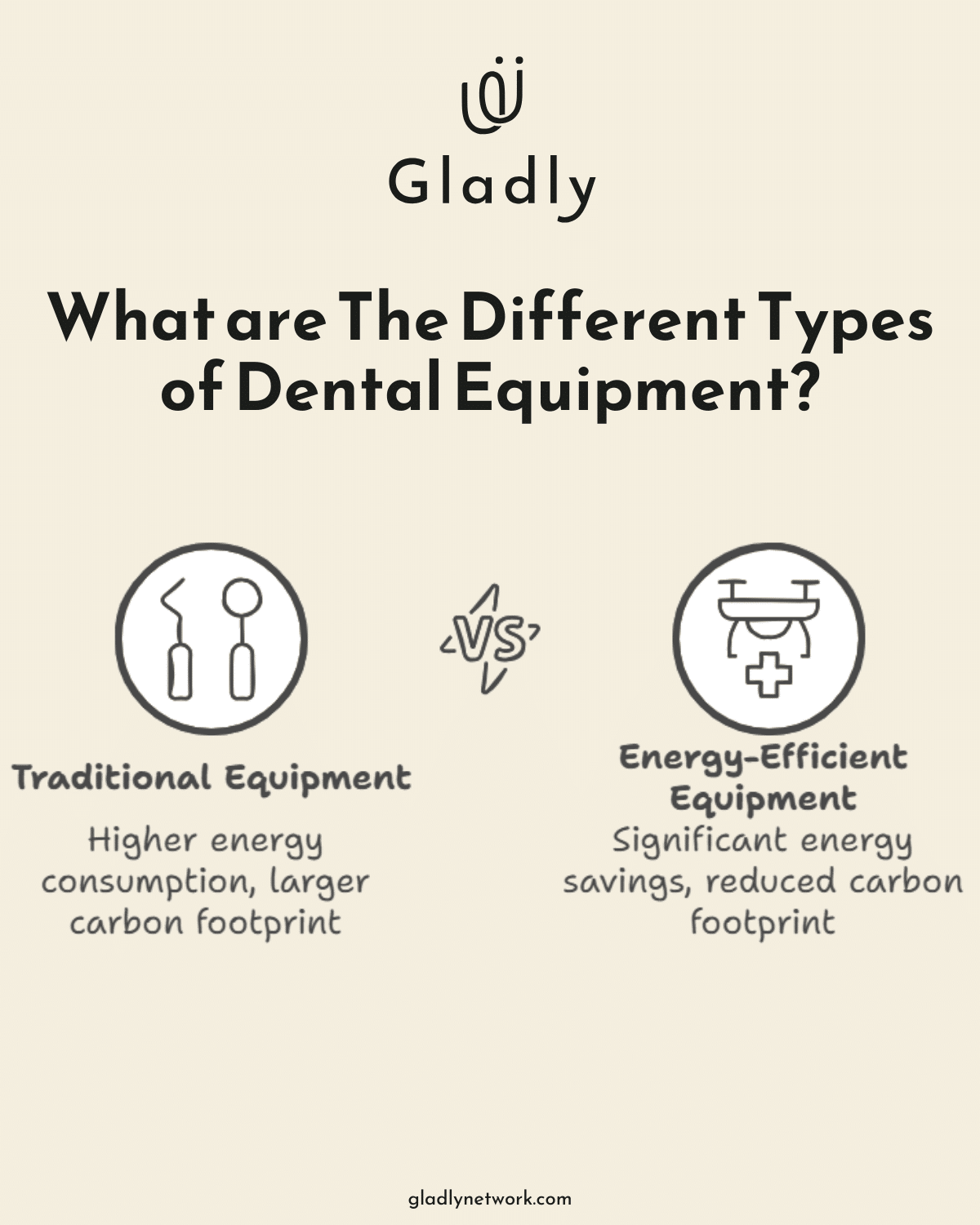
Upgrading to energy-efficient dental equipment can significantly reduce a practice’s carbon footprint. LED operatory lights, for example, use far less energy than traditional halogen lights while often providing stronger and more consistent illumination.
Investing in energy-efficient compressors and vacuum systems can also improve performance while lowering electricity use. Many modern systems are designed to deliver meaningful energy savings compared to older models.
Non-Toxic Cleaning Solutions: Safe for Patients and the Planet
Traditional cleaning and disinfecting products may contain harsh chemicals that affect both the environment and the people who use them. Non-toxic and biodegradable alternatives can help maintain a clean and safe office while reducing ecological harm.
Products certified by organizations such as Green Seal or EcoLogo can provide additional confidence that environmental standards are being met without sacrificing cleaning effectiveness.
An excellent example is The Hypochlorous Company’s USDA-certified organic disinfectant and deodorizer. Their proprietary process extends shelf life while offering a safer, chemical-conscious solution for maintaining hygiene in dental offices. Hypochlorous acid-based products can help practices reduce reliance on more aggressive traditional disinfectants without compromising sanitation standards.
Patient Appeal: A Competitive Edge
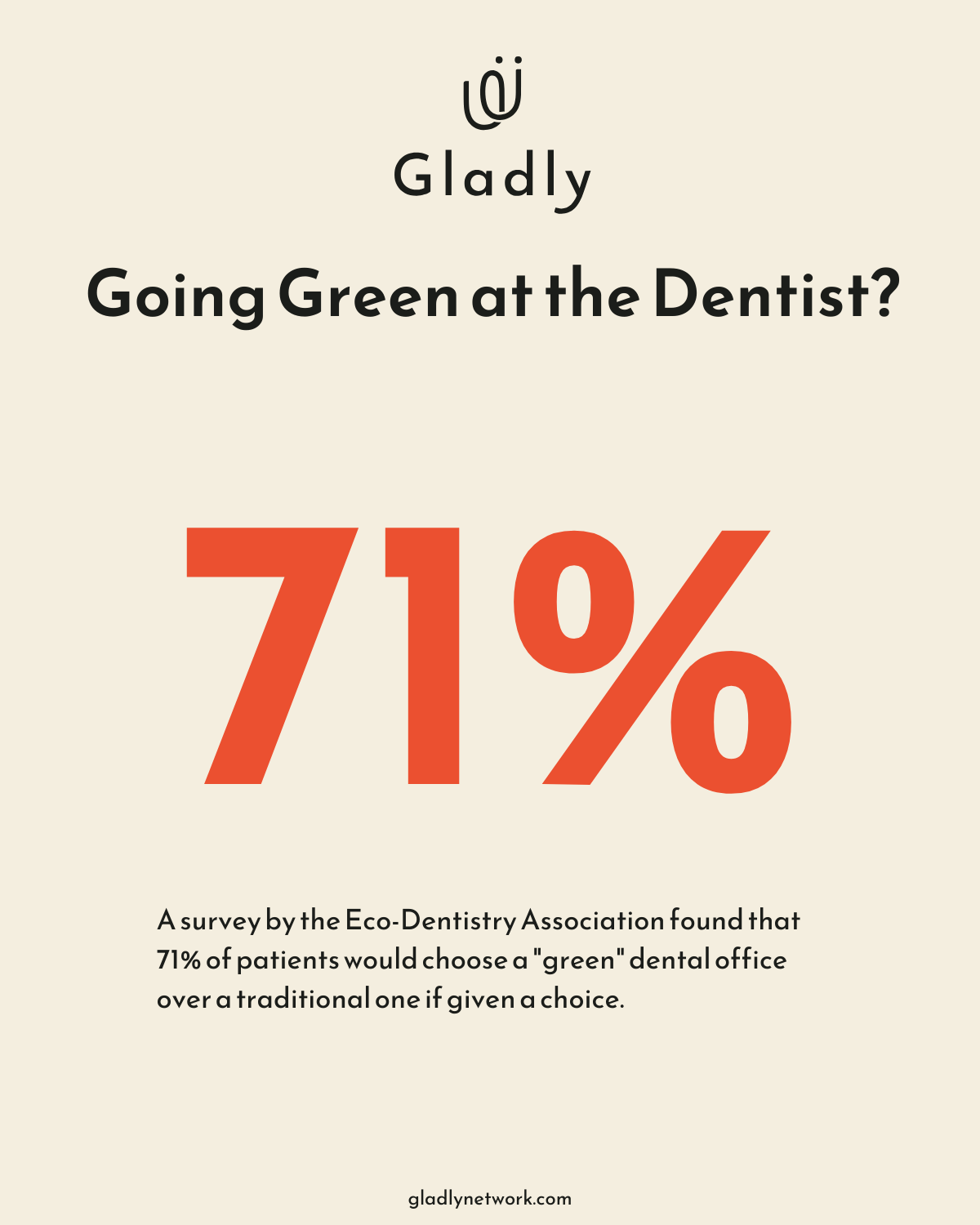
Implementing eco-friendly products in your dental practice is not only beneficial for the environment, but can also support your brand and patient relationships. Many patients increasingly value businesses that demonstrate environmental responsibility. These changes can help reduce your ecological footprint while positioning your practice as a more thoughtful and forward-looking provider.
The next step toward a more sustainable practice involves evaluating and selecting the right eco-friendly supplies. That process requires research, clear priorities, and careful consideration of both environmental impact and clinical performance.
How to Evaluate Eco-Friendly Dental Supplies
Understand Eco-Friendly Certifications
When evaluating eco-friendly dental supplies, it is important to look for recognized certifications. Green Seal certification helps indicate that products meet strict environmental standards. EcoLogo, now part of UL Environment, is another respected certification that supports sustainable product evaluation.
The Forest Stewardship Council (FSC) certification is especially relevant for paper-based products, while the EPA’s Safer Choice label can help identify cleaning products that use ingredients considered safer for people and the environment.
Evaluate Product Lifecycle
It is also important to consider the full lifecycle of a product, from production to disposal. Biodegradable items may offer advantages over traditional plastics, but their real-world sustainability can depend on how they are disposed of. Some products require industrial composting facilities in order to break down properly.
For reusable items, evaluate durability, maintenance requirements, and sterilization needs. High-quality stainless steel instruments, for instance, can reduce waste significantly over time when used and cared for properly.
Compare Costs and Long-Term Savings
Although eco-friendly products may sometimes have higher upfront costs, they can also create long-term savings. Energy-efficient equipment can help lower utility bills, while durable reusable products may reduce recurring supply expenses.
When comparing options, consider more than just purchase price. Assess product lifespan, maintenance needs, disposal costs, and efficiency benefits. In many cases, the long-term return can justify the initial investment.
Consider Patient Comfort and Preferences
Patient comfort and expectations also play an important role in product selection. Many patients appreciate dental offices that prioritize sustainability and wellness. Choosing products that meet environmental goals while also improving comfort can strengthen trust and enhance the overall patient experience.
For example, bamboo-based disposable items may feel softer or more natural than plastic alternatives, helping align clinical function with patient perception.
Assess Supplier Sustainability Practices
Beyond the products themselves, it is worth evaluating the sustainability practices of your suppliers. Look for companies that demonstrate environmental responsibility across their operations, whether through renewable energy use, water conservation measures, recyclable packaging, or take-back programs.
Andar, a company known for crafting minimalist and handcrafted goods, reflects the value of intentionality and long-term quality. That same mindset can benefit dental practices by encouraging the use of durable, well-designed products that reduce unnecessary waste and support more efficient workflows.
Final Thoughts
Choosing eco-friendly products for your dental office can reduce environmental impact while supporting high-quality patient care. By adopting sustainable office products, practices can reduce waste, conserve energy, and contribute to a healthier planet.
Gladly Network believes in the power of positive actions to create meaningful change. Our #getgladly initiative celebrates and rewards acts of kindness in communities. A commitment to eco-friendly dental practices reflects kindness toward the planet and future generations.
Embracing sustainability in your dental practice is both a responsibility and an opportunity. By making environmentally conscious choices, you can position your practice as a leader in sustainable dentistry while continuing to provide excellent care for your patients.
Frequently Asked Questions about Eco-Friendly Dental Products
What are the easiest eco-friendly switches for dental offices?
Start with biodegradable disposables: plant-based cups, bibs, and cornstarch gloves that decompose naturally. Switch to LED operatory lights (75% less energy) and Green Seal-certified cleaners. These changes take minimal effort but show immediate environmental impact.
How much can dental practices save with sustainable products?
Reusable instruments reduce waste by 30% and cut supply costs long-term. Energy-efficient equipment like Tyscor vacuum systems saves up to 75% on utilities. Digital X-rays eliminate chemical costs entirely. Most practices see full ROI within 12-18 months.
Which eco-certifications matter for dental supplies?
Green Seal and EcoLogo (UL Environment) verify environmental standards. For disinfectants, choose USDA Organic certified products like hypochlorous acid cleaners. These certifications guarantee effectiveness without compromising safety or sustainability.
Do eco-friendly products meet dental hygiene standards?
Absolutely. Plant-based gloves provide identical barrier protection. Hypochlorous acid disinfectants kill 99.9% of pathogens without toxic chemicals. All sustainable alternatives meet or exceed ADA and CDC requirements for dental practice safety.
What's the smartest way to transition to sustainable dentistry?
replacement. Start where the environmental impact is highest and the implementation cost is lowest.