
This ethical shopping guide is here to help you navigate a marketplace that can feel overwhelming—especially when every brand claims to be sustainable, transparent, or values-aligned. The truth is, conscious consumerism isn’t about perfection. It’s about learning what matters to you and making intentional choices that align with those values, one purchase at a time.
We’re all figuring this out together. And the good news? You don’t need a degree in supply chain ethics to start shopping more thoughtfully. You just need clarity on what to look for, which questions to ask, and how to build habits that stick.
Understanding What Ethical Shopping Actually Means
Beyond the Marketing Buzzwords
Ethical shopping means choosing products and brands that prioritize people, planet, and transparency over profit alone. It’s about understanding where things come from, how they’re made, and who benefits from your purchase.
But here’s where it gets tricky: the marketplace is full of vague claims. “Eco-friendly.” “Natural.” “Sustainable.” These words sound great, but without third-party verification, they’re often just marketing.
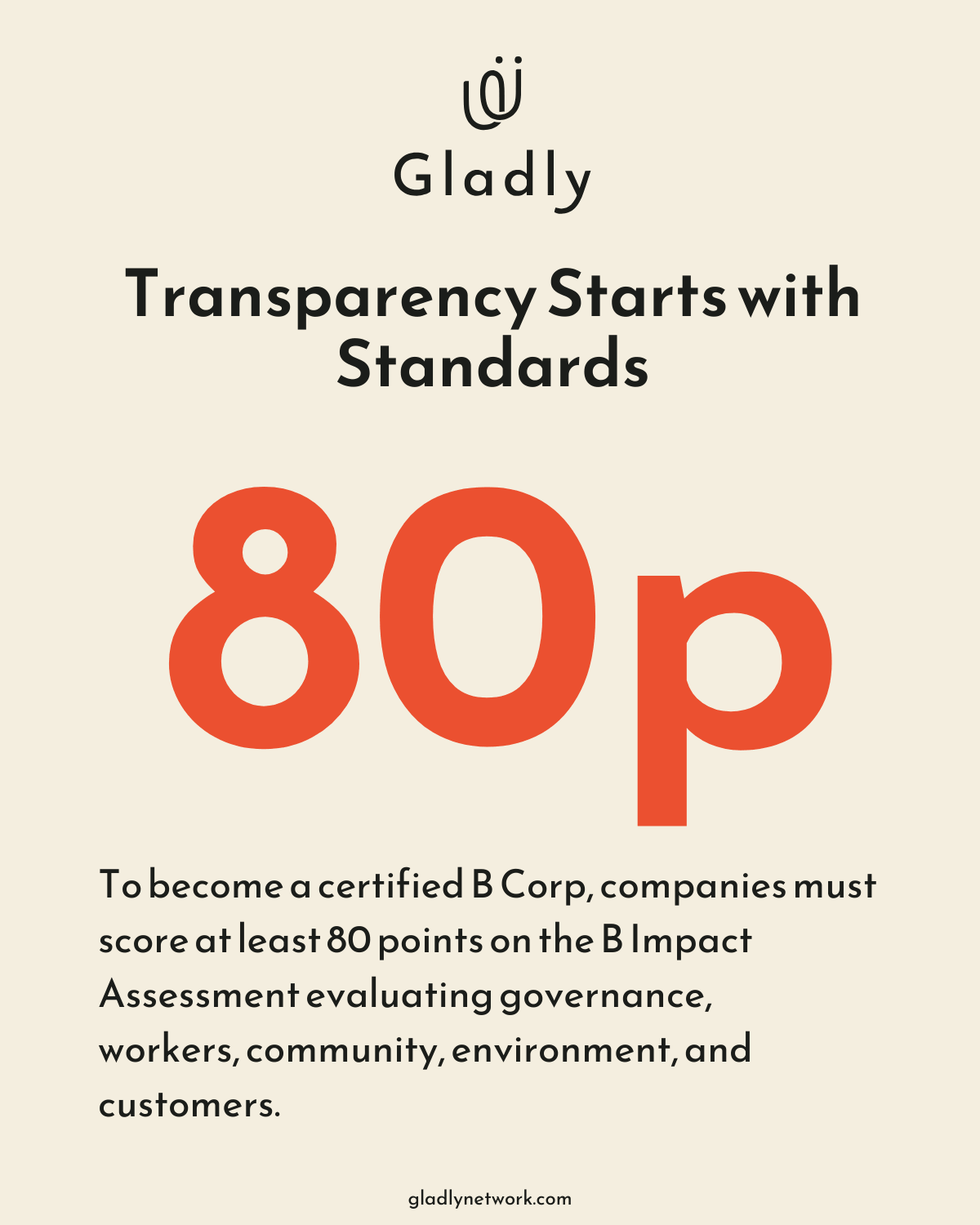
Research from B Lab Global shows that third-party certifications like B Corp status help businesses signal genuine sustainability commitment—and shape how both employees and consumers perceive a company’s values. When you see a certification that holds brands accountable to measurable standards, you’re looking at transparency in action.
The Real Impact of Your Choices
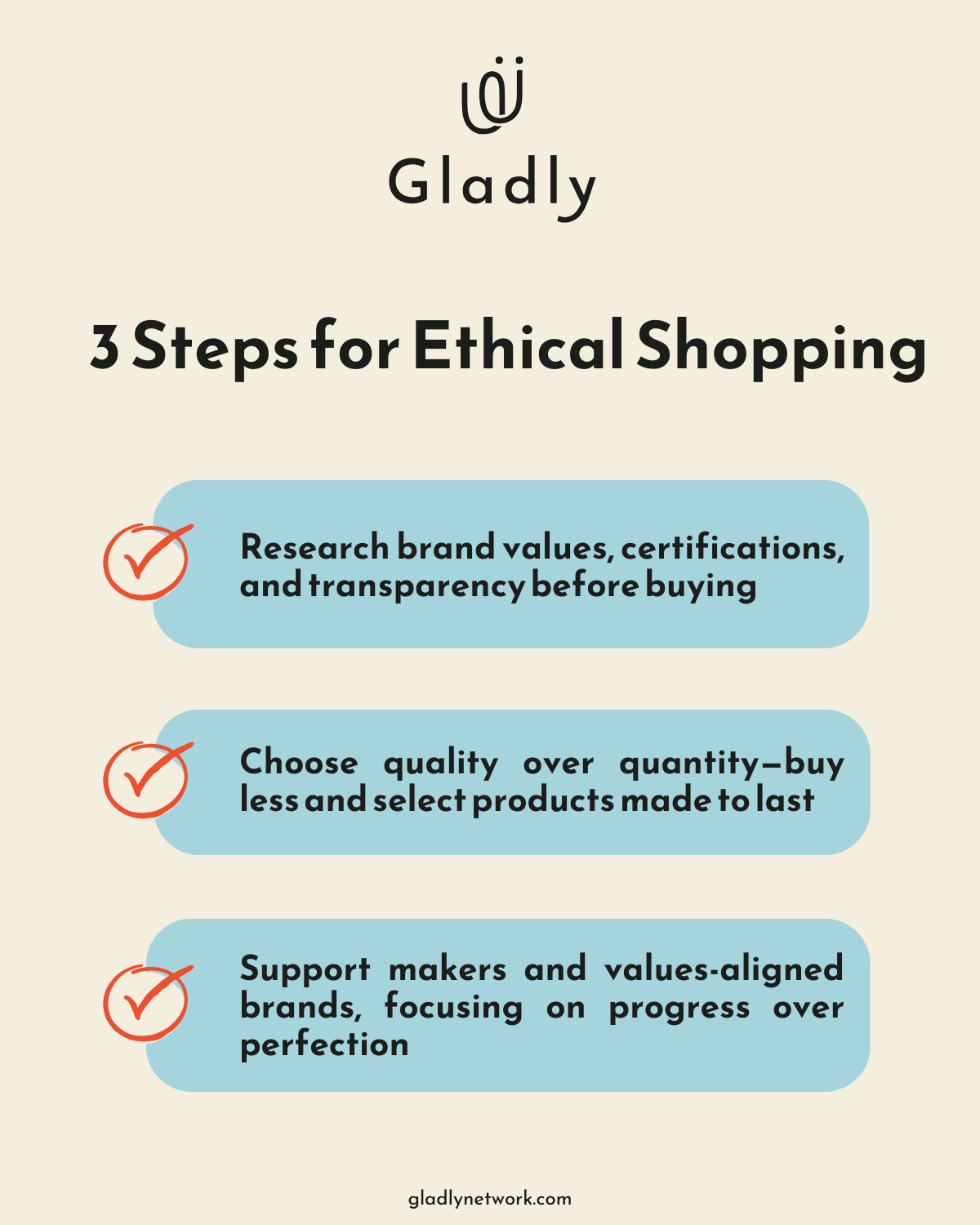
Every purchase you make is a signal. When you support brands that prioritize fair labor, transparent sourcing, and environmental stewardship, you’re voting for the kind of economy you want to see grow.
Companies like Andar, which creates minimalist goods built to last, or Second Life Candles, which transforms repurposed vessels into clean-burning candles, prove that intentional design and sustainability can coexist beautifully.
Your choices ripple outward. They create demand for ethical practices and push other brands to follow.
Where to Start Your Ethical Shopping Journey
Reading Labels That Actually Matter
Start with the basics: flip products over and read what’s inside. Ingredients, materials, and sourcing information tell you more than front-of-package claims ever will.
Look for certifications that mean something:
- B Corp Certification: Verifies that a company meets high standards for social and environmental performance
- Fair Trade: Ensures fair wages and safe working conditions for producers
- USDA Organic or GOTS: Certifies organic materials and sustainable farming practices
These aren’t just badges—they’re commitments backed by rigorous third-party audits.
Questions to Ask Before You Buy
You don’t need to interrogate every purchase, but a few key questions can guide you:
- Who made this, and were they paid fairly?
- What is this made from, and where did those materials come from?
- How long will this last, and what happens when I’m done with it?
Brands that prioritize transparency will answer these questions openly. If the information isn’t readily available, that’s a red flag.
Explore brands like Comfrt Clothing, which centers mental health support through comfort, or The Hypochlorous Company, which focuses on sustainable home and hygiene products. These companies make it easy to understand their values and impact.
Building Habits That Stick
Small Swaps, Big Difference
You don’t have to overhaul your entire life overnight. Start with one category—maybe cleaning products, coffee, or clothing—and commit to making more intentional choices in that area.
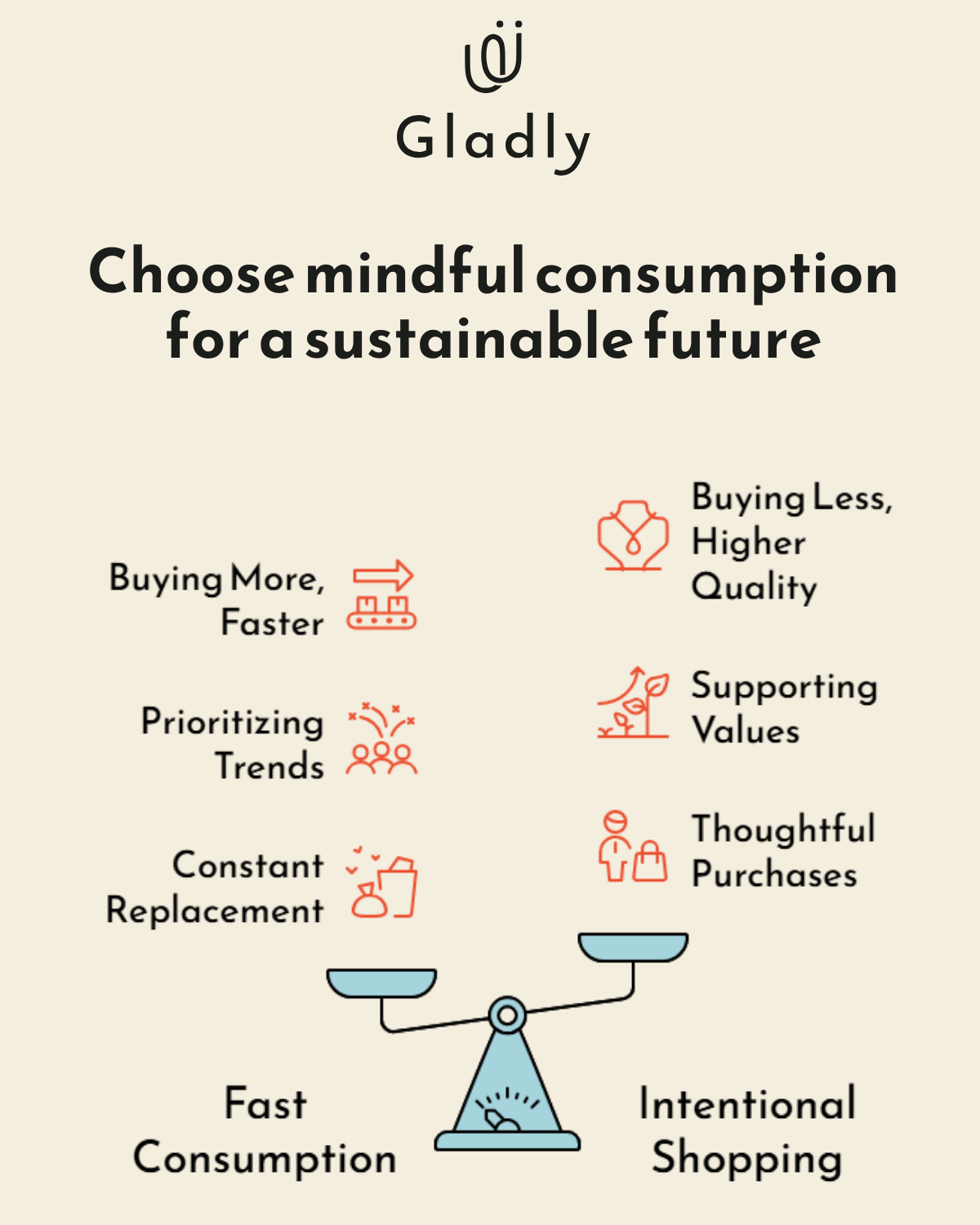
Fast consumption vs. intentional purchases: The old model taught us to buy more, cheaper, faster. Ethical shopping flips that. It’s about choosing quality over quantity, supporting makers over mass production, and asking what you actually need.
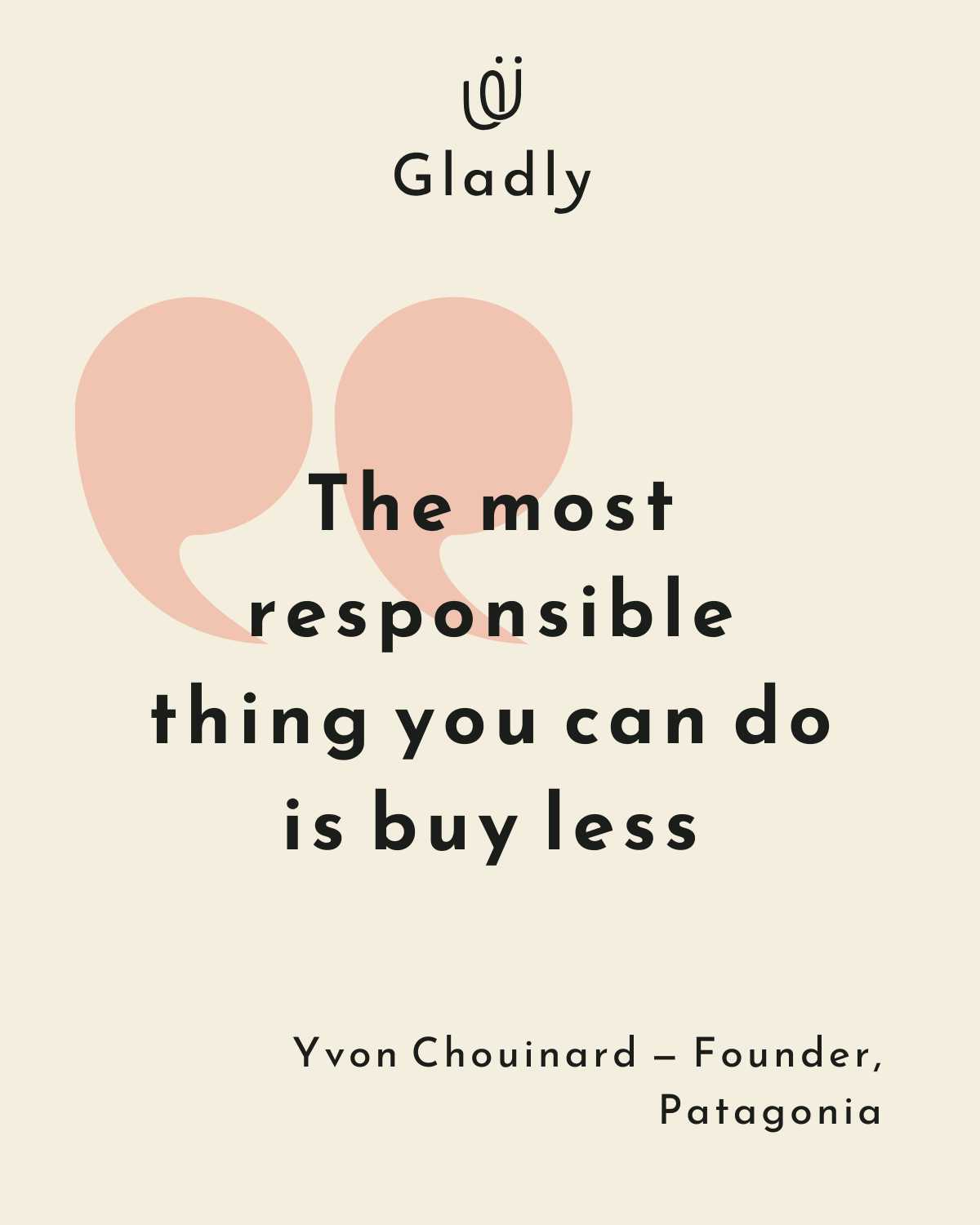
As Patagonia founder Yvon Chouinard puts it, “The most responsible thing you can do is buy less.” His perspective captures a core idea behind ethical shopping: choosing fewer, better-made products that last longer and reflect the values you want your purchases to support.
The Atlantic recently explored how consumers are rejecting market-tested uniformity in favor of movements built on authentic values. The same principle applies to shopping: we’re moving away from what’s been optimized for profit and toward what’s been designed with intention.
Creating Your Personal Shopping Values
What matters most to you? Environmental impact? Fair labor? Supporting local makers? Community investment?
There’s no single “right” answer. Ethical shopping is personal. Define your priorities, and let them guide your decisions. Maybe you care deeply about reducing waste, so you prioritize brands with take-back programs. Or maybe fair wages matter most, so you seek out Fair Trade certification.
Conscious shopping isn’t about being perfect—it’s about being intentional.
Making Ethical Shopping Your New Normal
We’ve covered a lot: understanding what ethical shopping really means, identifying trustworthy certifications, asking better questions, and building sustainable habits. Now it’s about making this your everyday practice.
You’re not doing this alone. There’s a growing community of people rethinking how they spend, what they support, and what kind of future they’re building with their choices.
Ready to explore brands that make ethical shopping easier? Gladly Shop curates purpose-driven makers and mission-aligned companies—all in one place. Discover brands that give back, prioritize transparency, and align with your values.