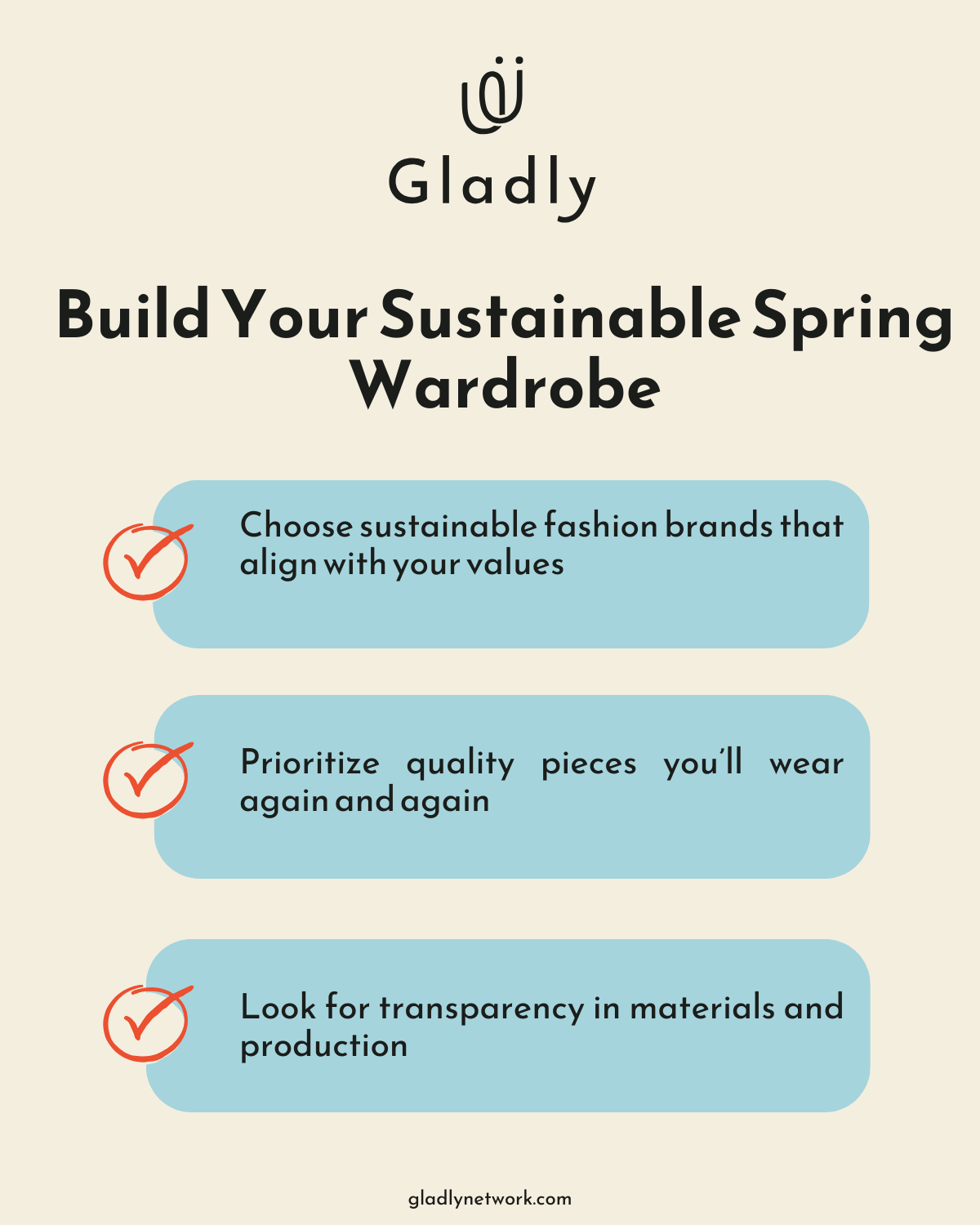

Sustainable fashion brands are transforming how we think about spring wardrobes—not as disposable collections, but as intentional investments in our values and our planet. Spring is a season built for fresh starts, and there’s something deeply right about pairing that renewal energy with more conscious choices. What if the clothes you wore reflected not just your style, but the future you want to help create?
The good news: building a sustainable wardrobe doesn’t require perfection or a complete closet overhaul. It starts with curiosity, a bit of label-reading, and a willingness to ask better questions about where our clothes come from and who makes them.
Why Sustainable Fashion Matters Now
The Environmental Cost of Fast Fashion
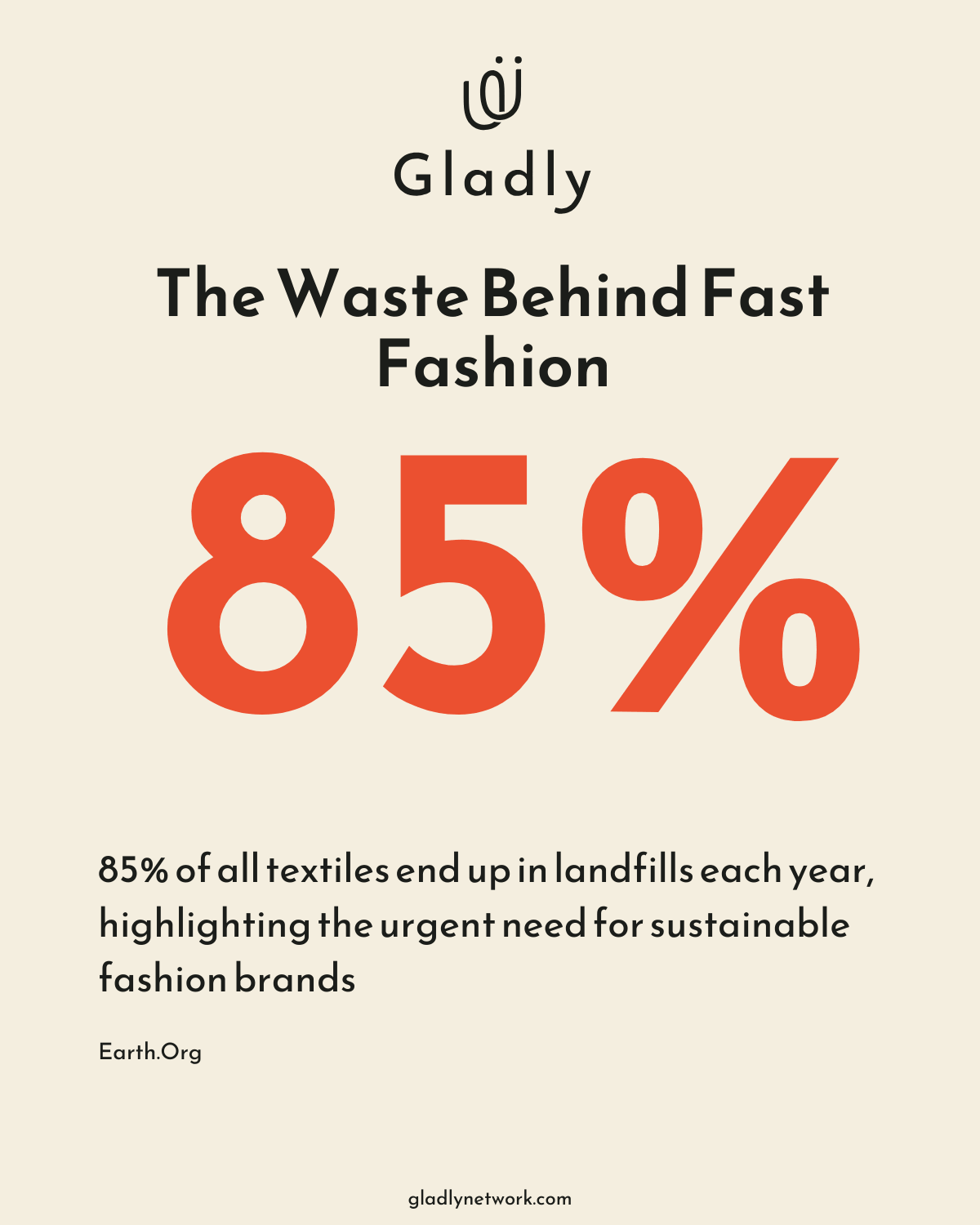
The fashion industry carries an environmental footprint most of us don’t see. According to Earth.Org, 85% of all textiles end up in landfills each year—a staggering volume of waste that reflects how disposable our relationship with clothing has become. The industry is responsible for 10% of global carbon emissions, more than all international flights and maritime shipping combined. Even washing synthetic clothes releases 500,000 tons of microfibers into the ocean annually, equivalent to 50 billion plastic bottles.
These aren’t abstract numbers. They represent rivers polluted by textile dyes, cotton fields drained of water, and communities affected by chemical runoff. Fast fashion’s “produce more, charge less” model has created a cycle where trend turnover happens faster than the earth can recover.
What Conscious Clothing Actually Means
Conscious fashion isn’t about giving up style or spending a fortune. It’s about transparency—knowing what your clothes are made from, who made them, and whether those people were paid fairly. It’s about materials that don’t poison water systems, and production methods that don’t exploit workers. It’s about buying fewer pieces that last longer, and supporting brands that treat both people and the planet with respect.
The shift is already happening. More brands are proving that ethics and aesthetics don’t have to be trade-offs.
Building a Spring Wardrobe with Purpose
Start with Comfort-First Essentials
The foundation of any sustainable wardrobe is comfort—pieces you’ll actually wear, season after season. When clothing feels good to live in, you’re far less likely to toss it after a few wears. Brands like Comfrt Clothing demonstrate how comfort and intention can guide design philosophy, creating everyday essentials that support not just your body, but your mental wellness through thoughtful construction.
Starting with basics—soft tees, well-cut trousers, a layering piece that works year-round—gives you a foundation to build on. Choose natural fibers like organic cotton, linen, or TENCEL when you can. These materials breathe better, last longer, and break down more responsibly at the end of their life cycle.
Look for Transparency and Traceability
Transparency is the currency of trust in sustainable fashion. Brands that share where their materials come from, how their garments are made, and who their factory partners are have nothing to hide. Some publish full supply chain maps. Others share pricing breakdowns so you can see exactly where your money goes.
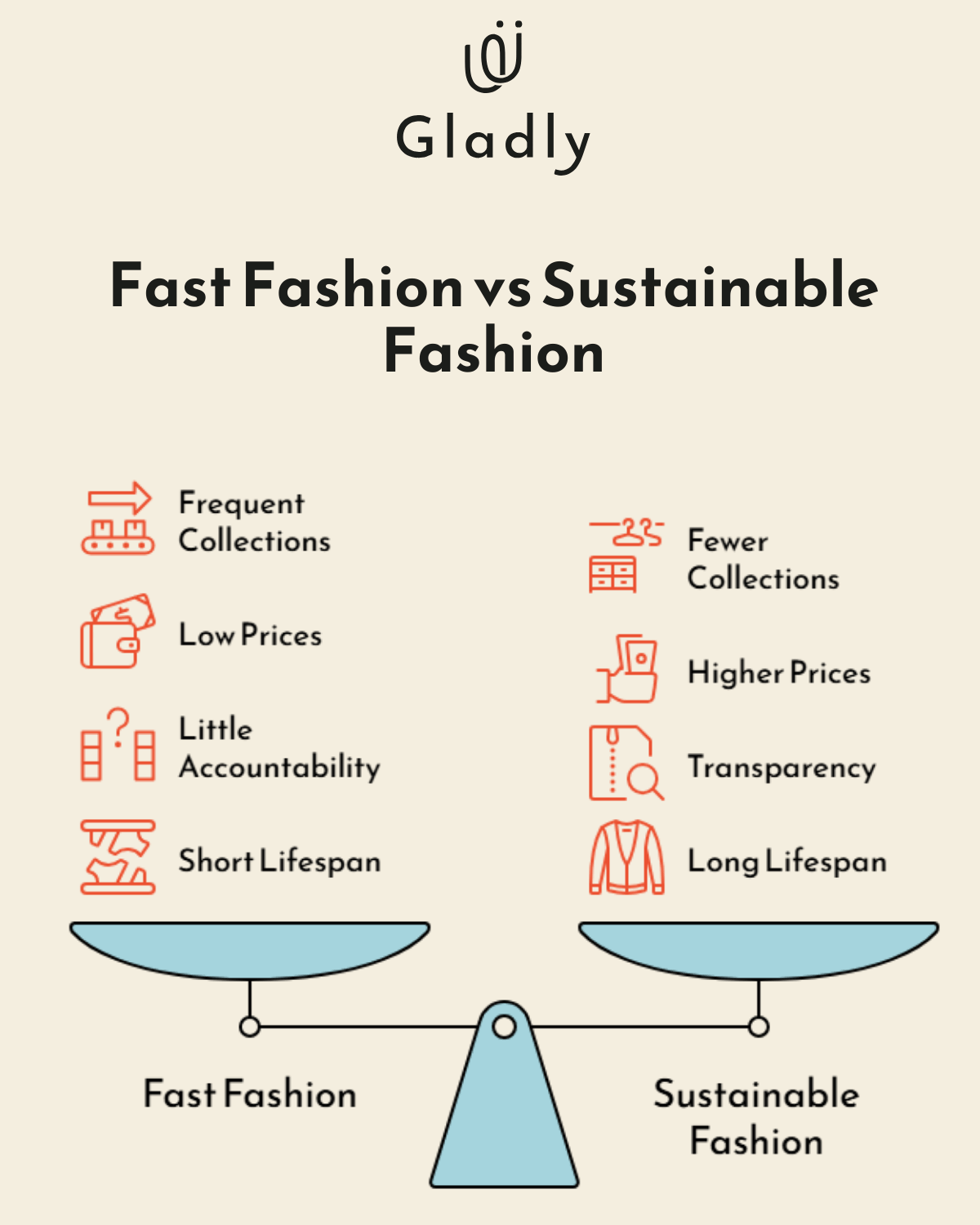
Compare this to fast fashion’s opacity: 52 micro-seasons a year, with no accountability for waste or labor conditions. Conscious fashion operates on a different timeline. It values durability over disposability, and invites you into the story behind each piece.
Look for brands that answer the hard questions openly. That’s where real change happens.
What to Look for When You Shop
Certifications That Signal Commitment
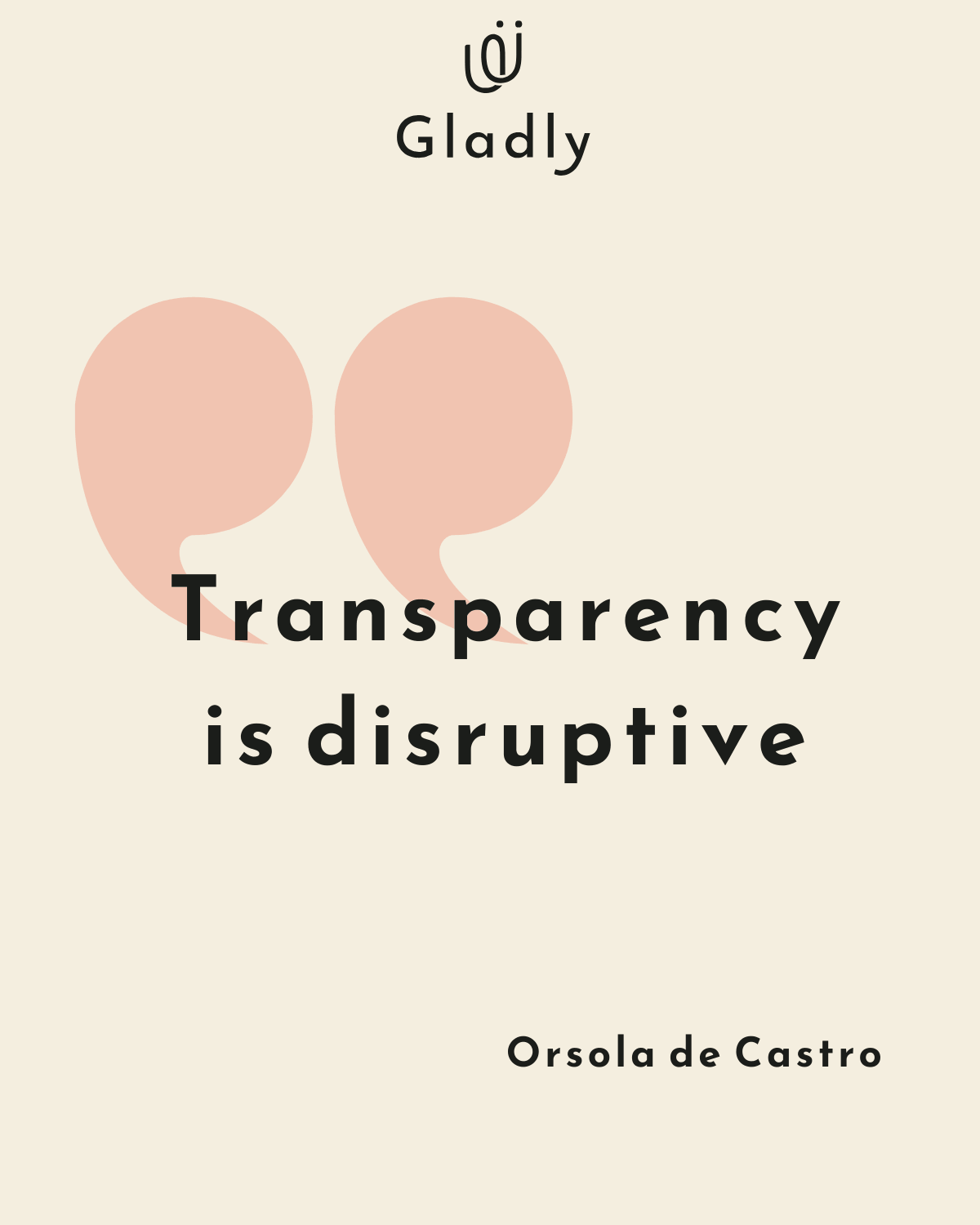
You shouldn’t need a chemistry degree to understand your closet. That’s why transparent brands matter—and why third-party certifications help cut through the noise. Orsola de Castro, co-founder of Fashion Revolution, reflects on this: “The fashion industry was built on secrecy and elitism; it was opaque. Transparency is disruptive”.
According to Good On You, credible certifications provide evidence-based assurance that brands are meeting specific standards. Here are the ones worth knowing:
GOTS (Global Organic Textile Standard) certifies that textiles are made from at least 70% organic fibers, with strict environmental and labor standards throughout production. It covers everything from fiber harvesting to finished product, ensuring no toxic chemicals are used.
Fair Trade certification ensures workers and manufacturers are paid fair wages and work in decent conditions. It prohibits child and forced labor, and can only be applied in countries where freedom of association is possible.
OEKO-TEX standards test every component of a product for harmful substances, verify chemical management and wastewater quality, and ensure fair wages and safe working conditions for workers.
Bluesign certification focuses on resource efficiency and consumer safety, eliminating harmful chemicals from the production process before they’re even introduced.
Materials and Manufacturing Practices
Beyond certifications, pay attention to materials. Organic cotton uses 91% less water than conventional cotton and avoids toxic pesticides. Linen is naturally biodegradable and requires minimal water. Recycled polyester keeps plastic bottles out of landfills, though it’s not a perfect solution—it still sheds microplastics when washed.
Manufacturing matters too. Brands that use renewable energy in production, recycle water, or offer repair programs are signaling long-term thinking, not short-term profit.
Create Your Conscious Spring Wardrobe
Building a sustainable wardrobe isn’t about perfection. It’s about making better choices, one piece at a time. Here’s where to start:
✓ Choose one brand that aligns with your values
✓ Look for third-party certifications like GOTS or Fair Trade
✓ Prioritize quality over quantity—fewer pieces, worn more often
✓ Support transparent supply chains where you can trace the journey
✓ Build a wardrobe that lasts beyond one season
Spring is the perfect time to reset your relationship with clothing. Not because you need a whole new wardrobe, but because intentional choices—made slowly, thoughtfully—tend to stick.
Discover more purpose-driven brands at Gladly Network and explore conscious essentials at Gladly Shop.