

Sustainability is more than a buzzword. It is a critical approach to the future we are building. At Gladly Network, we recognize the importance of understanding the three legs of sustainability: environmental, social, and economic.
These interconnected pillars create the foundation for a more balanced, resilient, and sustainable world. In this post, we explore each pillar and the role each one plays in shaping a healthier future.
How Can We Protect Our Environment?
Environmental sustainability is essential to a healthy planet and thriving communities. This pillar focuses on preserving natural systems and resources so future generations can continue to depend on them. Protecting the environment requires action across many areas, and each step matters.
Conserve Our Precious Resources
Natural resources are finite, and current consumption patterns are placing increasing pressure on them. The World Wildlife Fund has reported that humanity is using resources faster than the Earth can regenerate them. That reality makes conservation, reuse, and more responsible production increasingly important.
One important concept is sustainable yield, the practice of managing resources so they are not used faster than they can recover. This principle can guide fisheries, forestry, and agriculture in ways that balance human needs with long-term environmental protection. When paired with circular economy strategies, it can help businesses and households reduce waste and preserve resources more effectively.
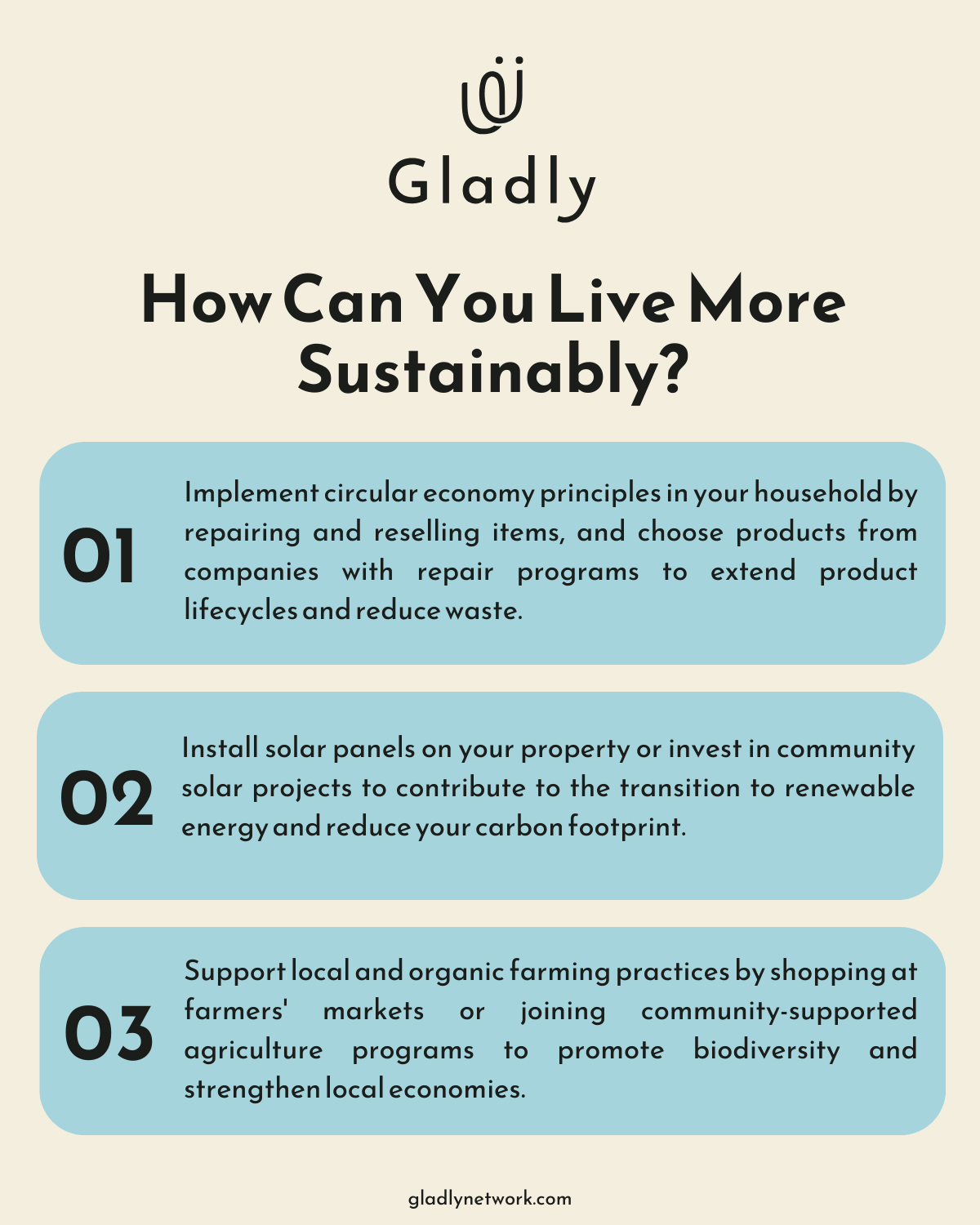
One effective way to support this effort is by adopting circular economy principles at home and in business. This approach focuses on extending product life, reducing waste, and making better use of materials already in circulation. Companies like Patagonia have helped popularize repair and resale programs that reduce the need for new raw materials.
Similarly, our partner The Hypochlorous Company offers non-toxic cleaning solutions that support hygiene while helping reduce environmental harm. Products like these reflect how practical choices can contribute to broader sustainability goals.
Slash Our Carbon Footprint
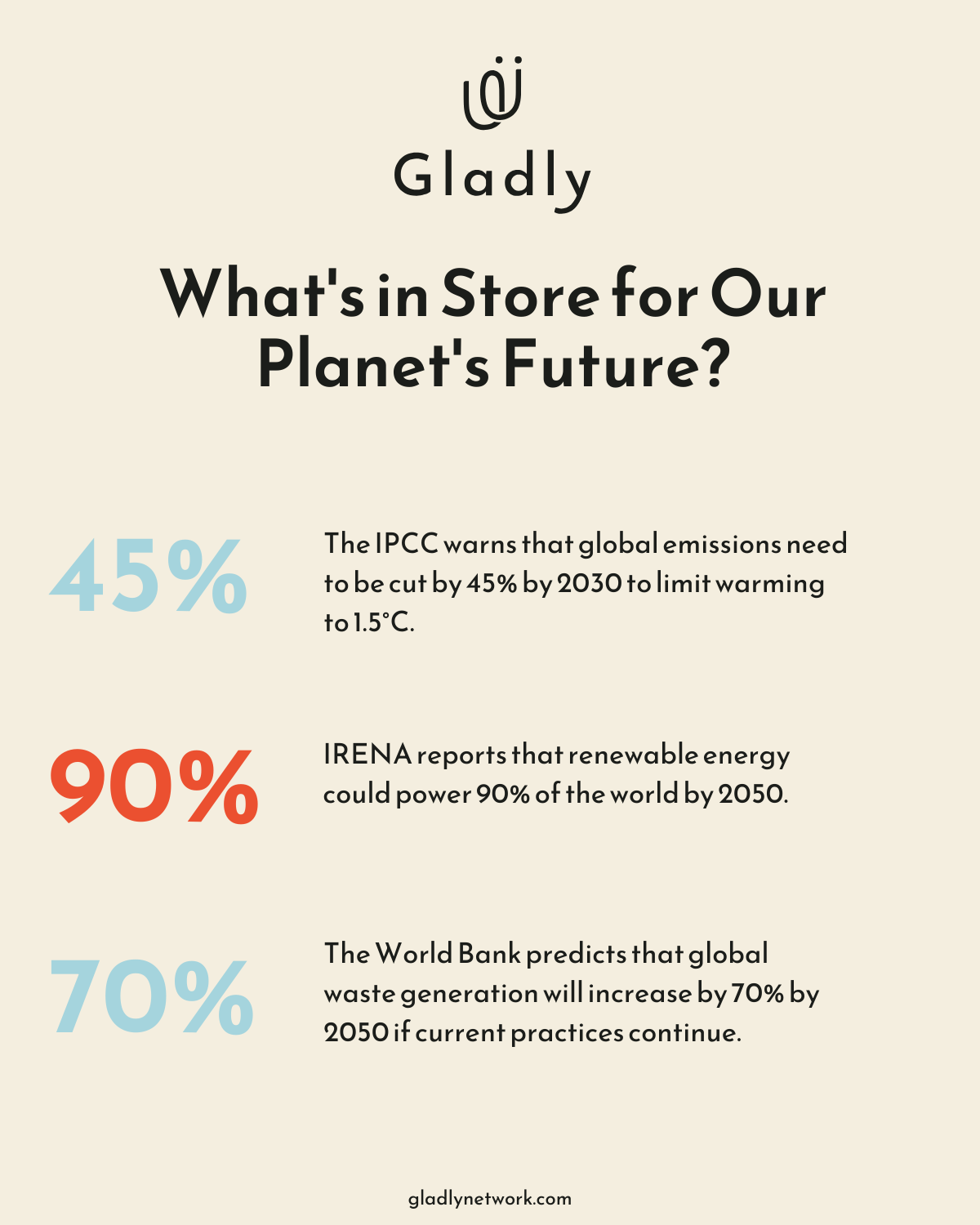
Climate change remains one of the most urgent environmental challenges of our time. Reducing emissions will require major shifts in how energy is produced, distributed, and consumed.
The transition to renewable energy is a key part of that shift. Solar and wind power have become more affordable and more accessible in many parts of the world, making them a practical option for individuals, businesses, and communities. People can contribute by choosing green energy providers, supporting community solar programs, or investing in energy-saving upgrades at home.
Protect Biodiversity
Biodiversity loss has reached alarming levels. According to the United Nations, around 1 million animal and plant species are threatened with extinction. This is not only a wildlife issue. It also affects food systems, economic stability, ecosystem resilience, and human health.
Protecting biodiversity can start with more intentional consumer choices. Supporting local and organic farming, reducing pesticide-heavy purchasing habits, and avoiding products linked to deforestation can all help reduce pressure on ecosystems and preserve natural habitats.
Implement Sustainable Waste Management
Waste management is another major part of environmental sustainability. The World Bank has projected significant growth in global waste generation if current patterns continue. That makes it essential to adopt strategies built around reducing, reusing, and recycling.
Composting organic waste, participating in local recycling programs, and choosing products with less packaging are all practical ways to reduce waste. Some cities have shown that ambitious waste-reduction goals are possible when policy, infrastructure, and community participation align.
Environmental sustainability depends on a multifaceted approach. Conservation, emissions reduction, biodiversity protection, and waste management are all connected. Together, these actions create the foundation for the next pillar of sustainability: social well-being and justice.
How Can We Build a Just Society?
Bridging the Education Gap
Education is one of the strongest drivers of social mobility and long-term opportunity. Yet access to quality education remains uneven in many parts of the world. UNESCO reports that millions of children, adolescents, and young people remain out of school globally, highlighting the scale of the challenge.
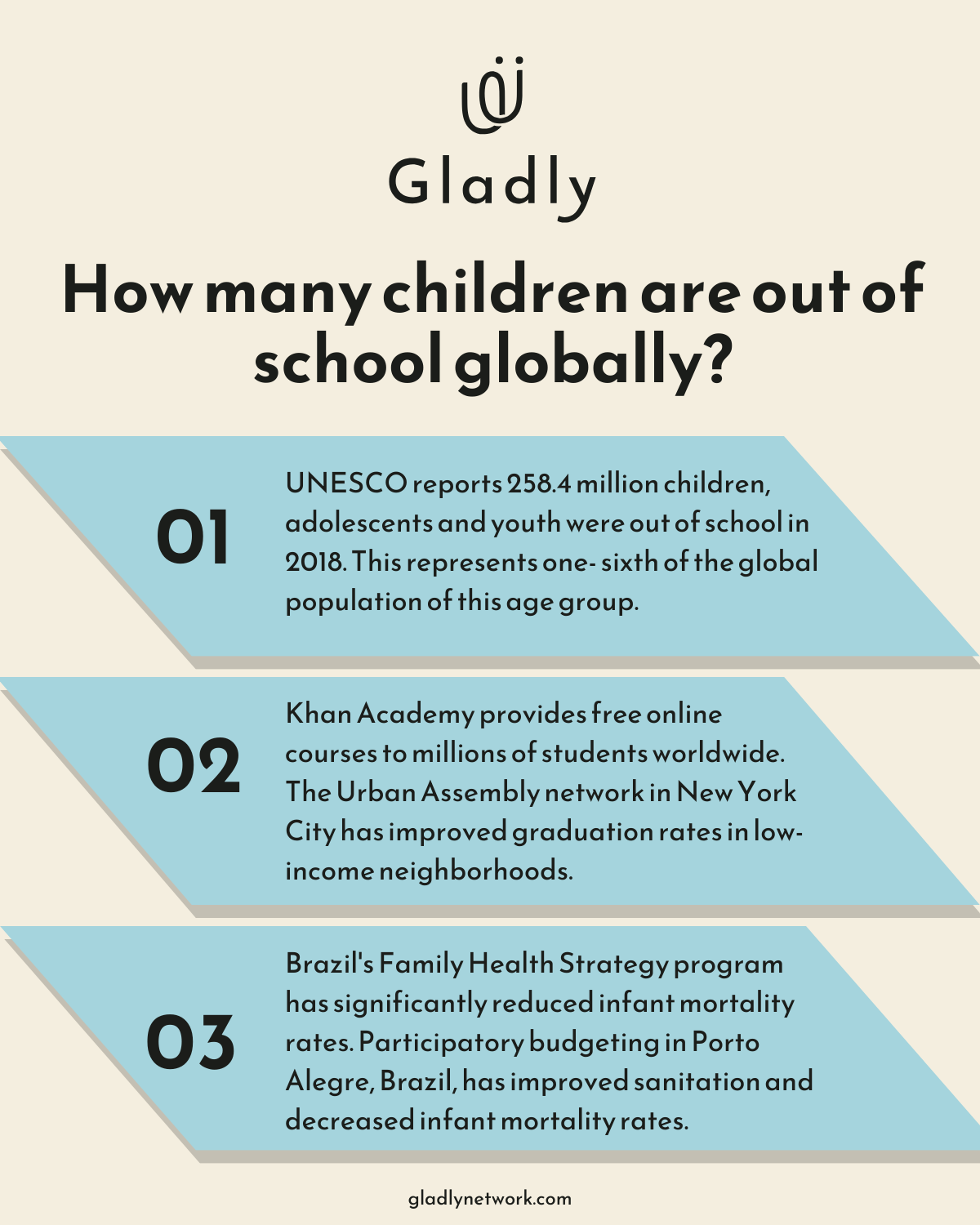
Technology can help broaden access to education. Organizations like Khan Academy have made free learning resources available to millions of students. At the same time, local education models that focus on community needs, personalization, and long-term readiness can create meaningful impact where it is needed most.
Ensuring Universal Healthcare Access
Healthcare is a basic human need, yet access to essential services remains limited for many people. Improving healthcare access requires more than medical facilities alone. It also depends on trained professionals, local infrastructure, and delivery models that are responsive to community realities.
Community-based healthcare programs have shown strong results in underserved regions by bringing care closer to where people live. These approaches can improve preventive care, strengthen trust, and create better long-term outcomes.
Empowering Communities Through Development
Community development gives people the tools and support they need to shape their own futures. That can include investments in infrastructure, local economic opportunity, public services, and initiatives that strengthen social cohesion.
Participatory budgeting is one example of how communities can play a more direct role in shaping local priorities. When people have a voice in how resources are allocated, development efforts are often more relevant, inclusive, and effective.
Upholding Human Rights in the Workplace
Human rights and fair labor standards are essential to social sustainability. Safe working conditions, fair wages, and protection from exploitation help build healthier communities and more responsible economies.
Companies play an important role in upholding these standards across their operations and supply chains. Consumers also contribute when they support businesses that demonstrate stronger ethical commitments and transparent labor practices.
Social sustainability is about building systems that support long-term equity, dignity, and opportunity. Education, healthcare, community development, and labor rights all contribute to a more inclusive and resilient society. These social priorities are closely connected to environmental and economic sustainability as well.
How Can We Build a Sustainable Economy?
Economic sustainability is not only about profit. It is about creating long-term value while reducing harm to people and the planet. A sustainable economy supports innovation, resilience, and responsible growth in ways that can last.
Rethink Growth for the Long Term
Traditional economic models often favor short-term gains over long-term stability. In a resource-constrained world, that approach is becoming harder to sustain. Circular economy strategies offer one alternative by focusing on durability, reuse, and smarter resource management.
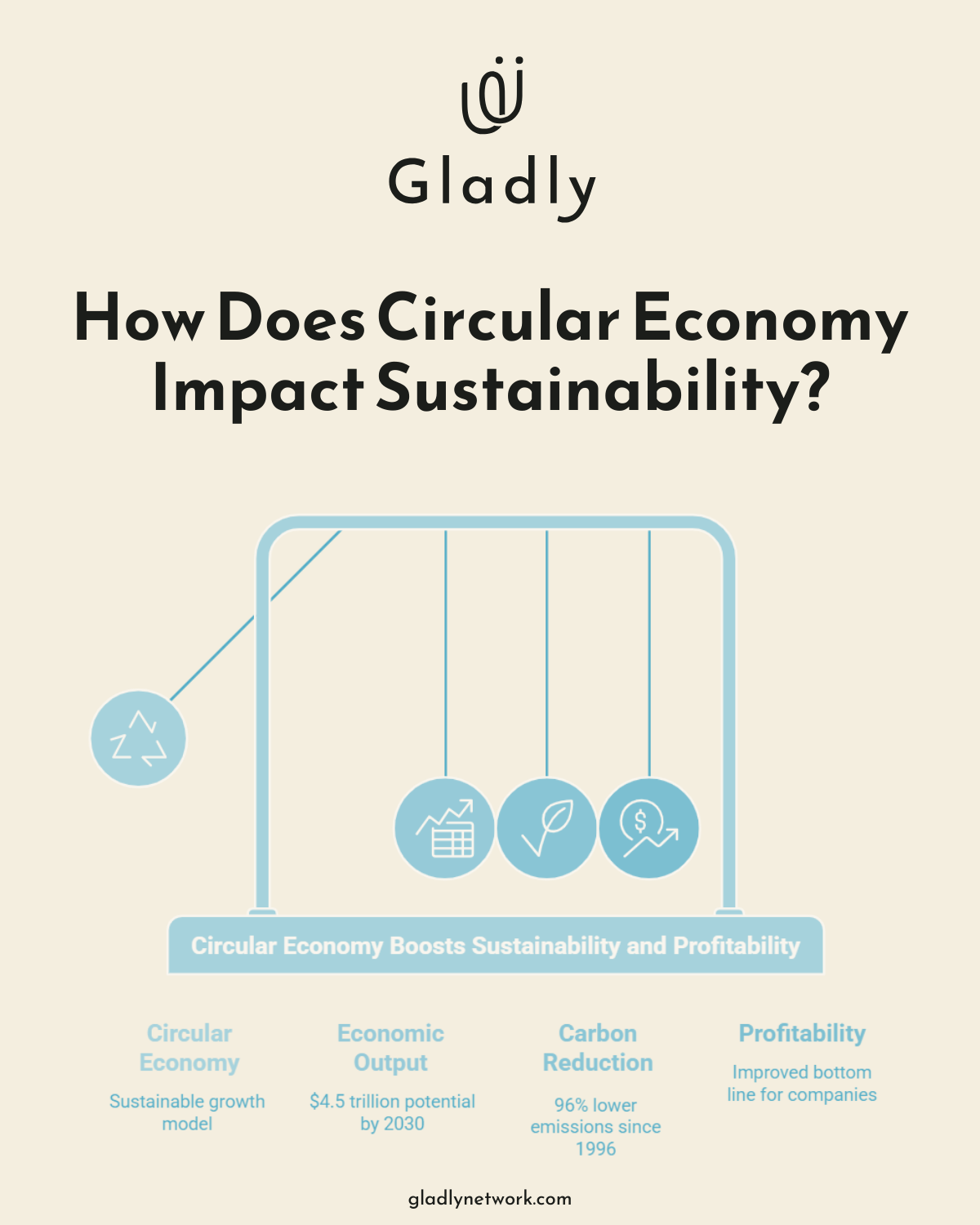
Companies like Interface have shown that environmental responsibility and business success can coexist. Their long-term sustainability efforts demonstrate that reducing impact and strengthening performance do not have to be competing goals.
Transform Consumption and Production
Current production and consumption patterns place heavy pressure on the environment. Building a more sustainable economy requires rethinking how goods are designed, used, and discarded.
The fashion industry is one example where change is needed. Brands like Patagonia have demonstrated how repair, reuse, and recycling programs can extend product life while reducing waste. This kind of model can also strengthen brand loyalty and reinforce consumer trust.
Andar reflects a similar mindset by creating minimalist, handcrafted goods that encourage intentional living. Products designed for long-term use can support both sustainability and more thoughtful consumption.
Invest in Green Innovation
Green innovation supports both environmental progress and economic opportunity. Renewable energy, clean technology, and more efficient systems can create jobs, improve resilience, and help reduce dependence on more harmful industries.
As industries evolve, investment in sustainable technologies can drive meaningful transformation. Companies that help accelerate this shift often influence entire sectors and open the door to new forms of growth.
Promote Sustainable Business Models
Sustainable business models focus on long-term value creation rather than short-term gain alone. They consider environmental and social impact alongside financial performance.
Many modern brands now lead with sustainability by offering cruelty-free, ethically sourced products designed with safety, function, and lower-waste packaging in mind. This approach shows how businesses can combine environmental responsibility, ethical practices, and customer satisfaction in ways that build lasting value.
Support Local Economies
Supporting local economies is another important part of economic sustainability. Local businesses often create jobs within the community, reduce transportation-related impacts, and help keep money circulating locally.
Initiatives like farmers’ markets, community-supported agriculture, and buy-local campaigns can strengthen local resilience while encouraging more connected and supportive communities.
In that same spirit, community-centered platforms like Gladly Network help encourage support, kindness, and stronger social ties. Those forms of connection also play a meaningful role in sustainable economic development.
Wrapping Up
The three legs of sustainability, environmental, social, and economic, are deeply interconnected. Each one supports the others, creating the conditions for a more stable and resilient future. Environmental sustainability protects natural systems, social sustainability expands opportunity and equity, and economic sustainability supports innovation and responsible long-term growth.
The challenges are significant. Climate change, resource depletion, and social inequality all demand serious action. But within those challenges are opportunities for innovation, collaboration, and positive change.
At Gladly Network, we believe community plays an important role in sustainable progress. Our platform promotes and rewards acts of kindness, helping strengthen the social connections that make communities more resilient. It is one example of how small actions can contribute to broader and more meaningful change.