
3 AM. Another cold coffee. Spreadsheets blur as our eyes strain under blue light. We tell ourselves success is just one more hour away, yet our bodies whisper warnings we ignore.
Wellness forms the operating system our business runs on. When we prioritize foundational wellness systems as business infrastructure, everything really changes. Mental health becomes the foundation.
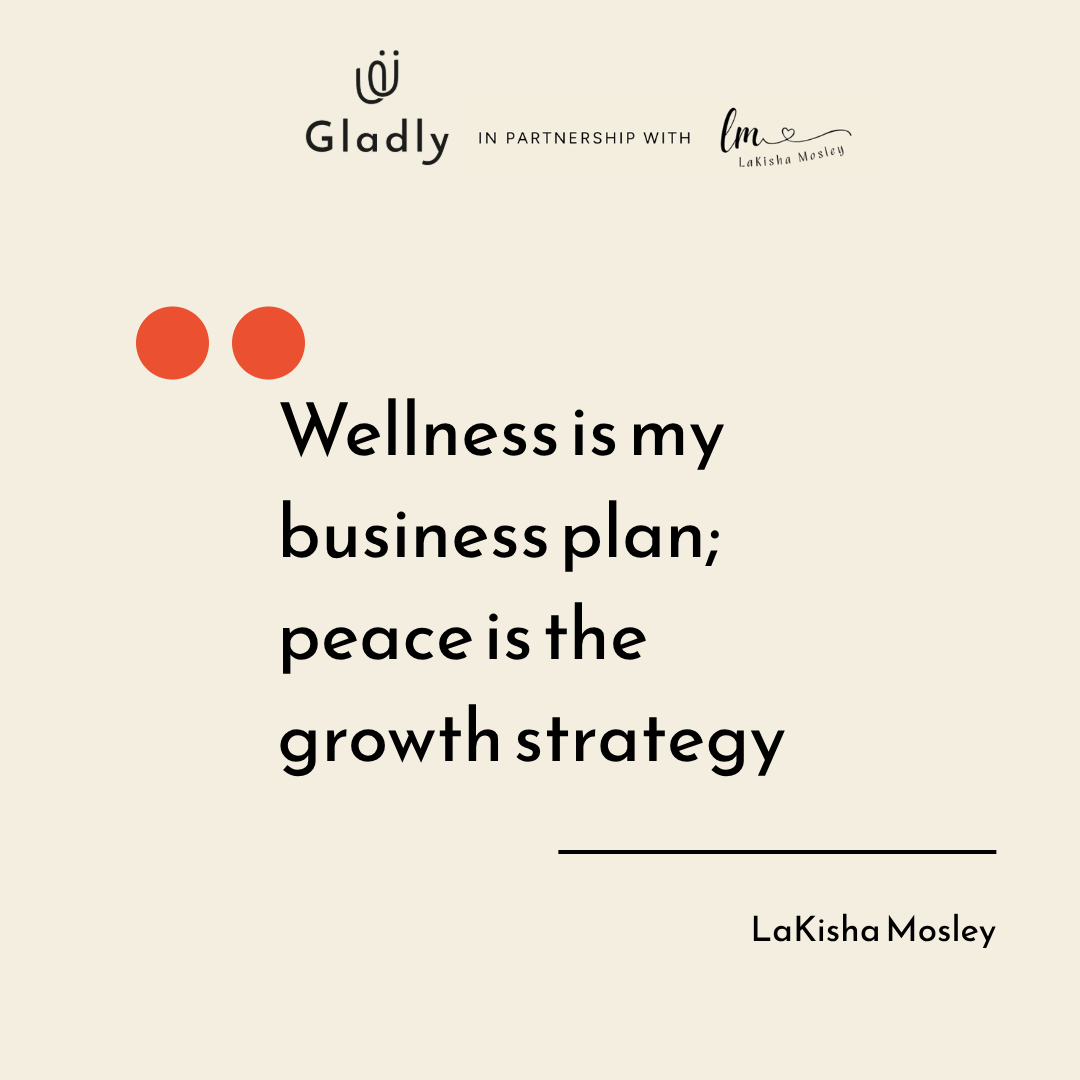
Peace first. Profit follows. A workplace wellness strategy protects our most valuable asset, the minds carrying our vision forward.
What makes wellness a business advantage, not a personal preference?
Wellness is the operating system for how a team thinks, decides, and sustains growth.
The hustle moment that broke the spell
We used to wear those late nights like a badge. Laptop open, inbox on fire, shoulders tight, telling ourselves, this is what it costs to win.
But one night it hit different. Not dramatic. Just… clear. The numbers were on the screen, but my body wasn’t in the room anymore. Heart racing, jaw clenched, eyes burning. And I realized I wasn’t pushing through the work, I was pushing through myself.
That’s when the spell broke. Because success that requires you to disappear to achieve it? Baby, that math don’t math. If growth demands constant exhaustion, it’s not growth. It’s a slow collapse dressed up as ambition.
Wellness is strategy, not sentiment
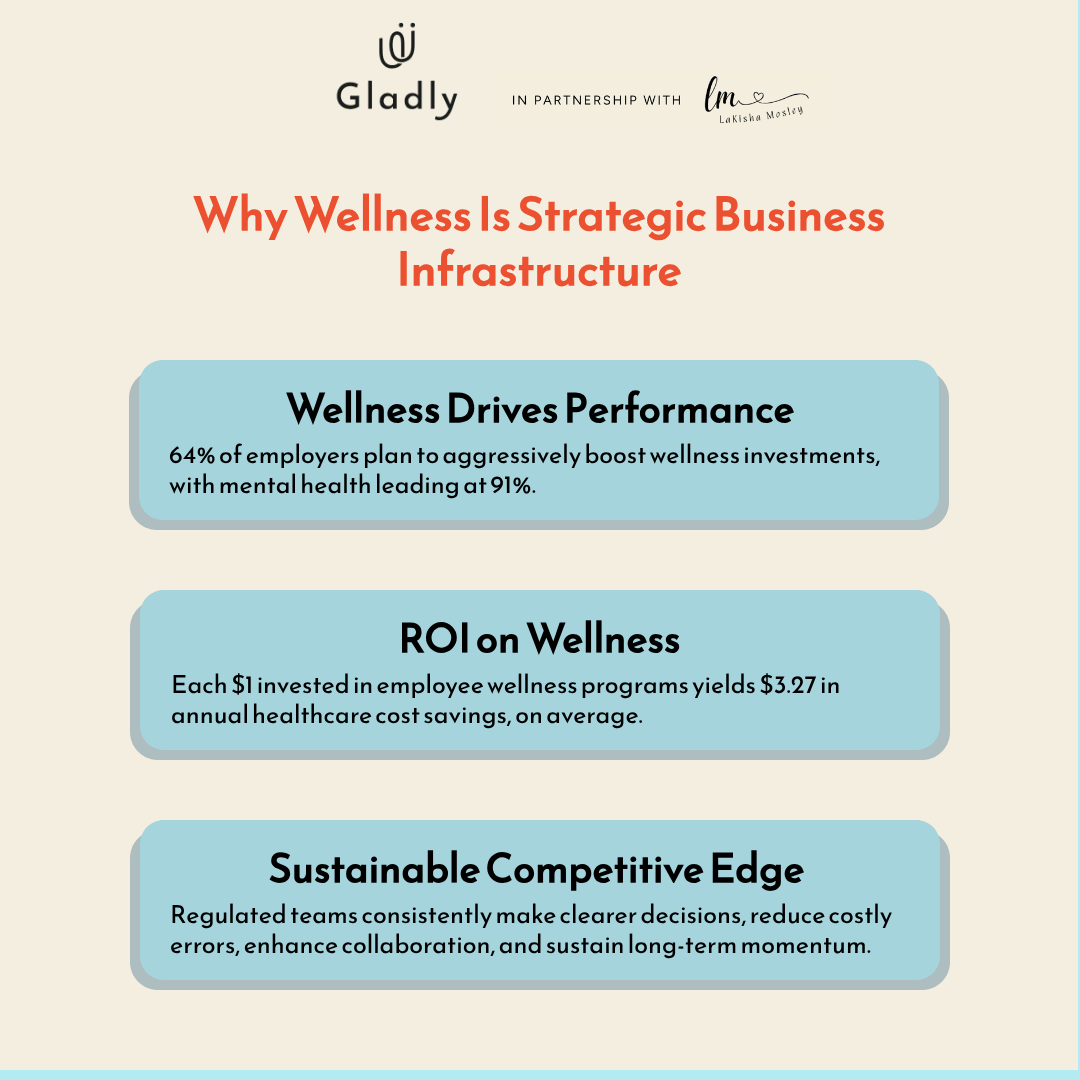
Mental health is the floor under every business decision your team makes, whether or not anybody names it out loud. The Wellable 2023 report shows 64% of employers plan to increase wellness investment, and 91% of that focus is on mental health. Companies are finally treating wellness like performance infrastructure, because clear minds build better work.
Peace becomes our precision tool in business operations. When teams incorporate stress relief systems into daily rhythms, they naturally make clearer decisions with less effort.
Slow breathing, gentle movement, and consistent hydration serve as operational necessities for sustainable growth. Regulated nervous systems process information with greater clarity and respond to challenges without triggering panic responses.
Competitive advantage looks like sustainability
Folks are pouring into workplace wellness, the space hit $57.9B in 2023 and keeps growing around 7.2% a year. That doesn’t happen unless it’s pulling real weight. Every dollar that goes into wellness brings back about $3.27 in healthcare savings, and that’s before burnout starts charging interest.
Soft power wins in the long game of business sustainability. Teams practicing kindness initiatives create measurable business results through improved collaboration and innovation.
Regulated leaders model balanced decision-making that moves teams forward without fear-based reactions. This approach reduces turnover costs while protecting revenue from stress-induced errors.
Consistent energy sustains momentum through challenges that would otherwise derail progress. Better decision-making prevents expensive mistakes that drain resources and morale. Regulated teams build sustainable businesses with staying power in competitive markets.
How do you build a workplace wellness strategy that actually holds people up?
You build wellness into the way work gets done, so people can stay whole while they’re doing it.
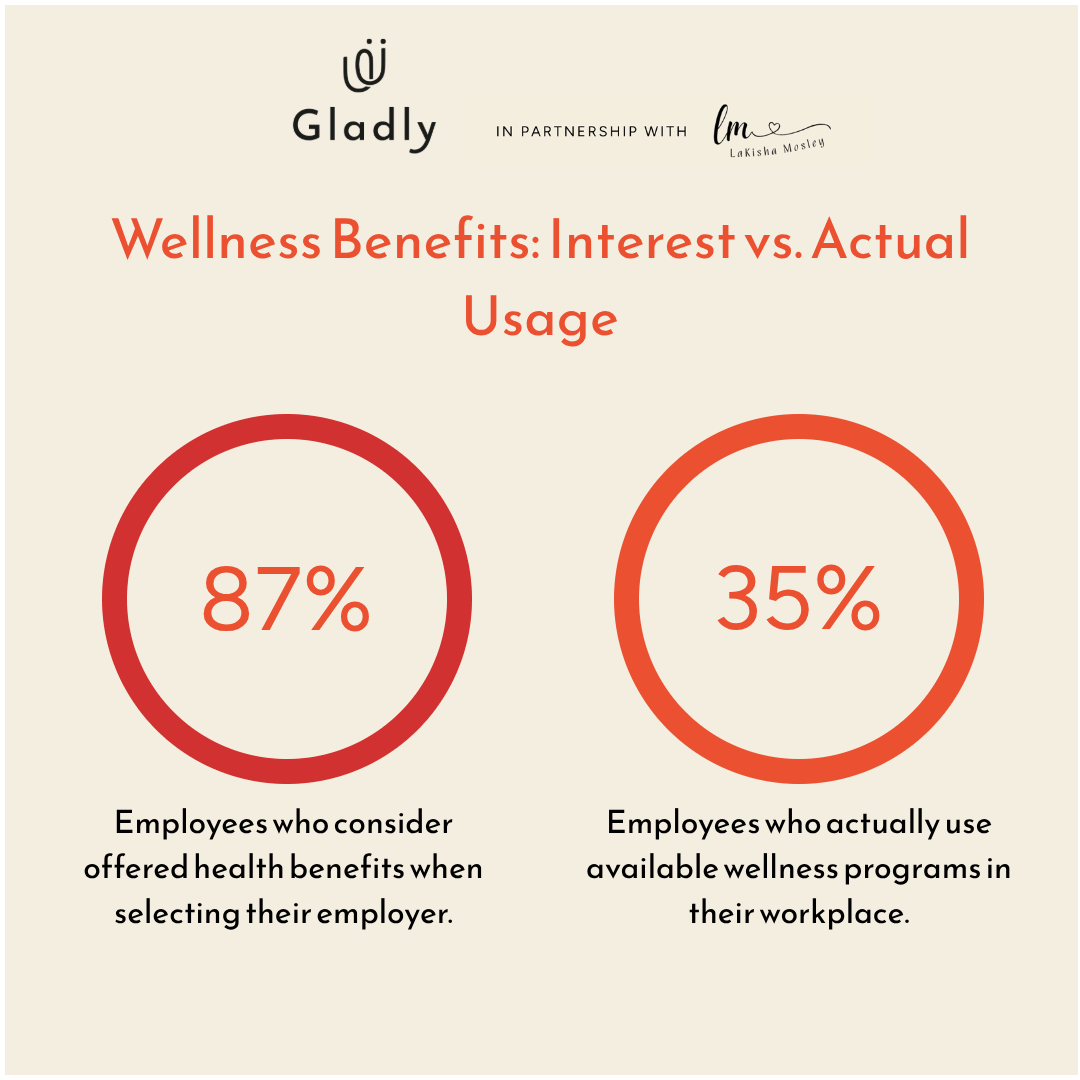
Fancy slogans about self-care look good on company websites. Meditation apps make for nice perks. What happens when Monday morning brings impossible deadlines and understaffed teams? 87% of employees consider health offerings when choosing an employer. Companies save $3.27 for every dollar invested in these programs.
Baby, wellness can’t live in the perks if the pace is still punishing. Your deadlines preach louder than your policy page ever will. And that space between what you promise and what you practice is where teams either breathe… or burn out.
Systems over slogans
Wellness culture begins in work design. One-off yoga perks won’t rescue teams from structural exhaustion.
When the system is heavy anyway, give folks something that supports the body, not just the calendar. Comfrt is a comfort-wear brand that makes slightly weighted hoodies and loungewear to help people feel calmer and more grounded during stressful workdays.
Capacity planning that includes human limits helps teams deliver better results. We need permission structures that allow people to say, “This scope needs adjustment based on our capacity.”
Project timelines that acknowledge reality protect mental health more effectively than any meditation app. Realistic workloads become the foundation of well-being at work.
Deadlines that account for human needs like sleep and family time allow innovation to flourish naturally. The system itself must hold people up.
Recognition is wellness at scale
Belonging creates psychological safety that lowers emotional load. When teams feel seen, they actually stay longer and contribute more fully.
When the pace is heavy, people need to feel seen in real time, not once a quarter. Tools like Motivosity, a team-recognition platform, make appreciation easy to do daily, with quick peer shout-outs, manager prompts, and visible gratitude that doesn’t get lost in the rush. That steady recognition lightens emotional load and builds belonging, which is workplace wellness you can actually feel.
Folks spent $57.9 billion on workplace wellness in 2023, because keeping good people is cheaper than replacing burned-out ones. And still, only 30–35% of employees actually use the programs sitting right there for them. That gap is the story; wellness has to live in the culture, not just in the benefits portal.
Recognition bridges this gap by making well-being visible and valued. Peer appreciation costs little but yields significant returns in team stability.
Prevent burnout before you have to recover from it
Waiting until someone breaks down costs more than preventing the breakdown. Mental health support works best when embedded in regular workflows.
Regular check-ins create space for early intervention. Implementing wellness check systems like ImpactSuite’s app offers teams self-assessment tools before problems escalate.
Prevention mirrors how we approach physical health; regular check-ups catch issues early. Teams need mental health infrastructure that operates proactively.
Keep the basics close too, steady fuel, simple care, the kind of small supports that help bodies stay grounded while minds stay sharp.
Peace first. Profit follows. When we build systems that truly support people, sustainable growth happens naturally without burning through our most valuable resource, human energy.
What do boundaries and rest have to do with revenue?
Boundaries protect focus and rest protects clarity, and both save a business from expensive burnout.
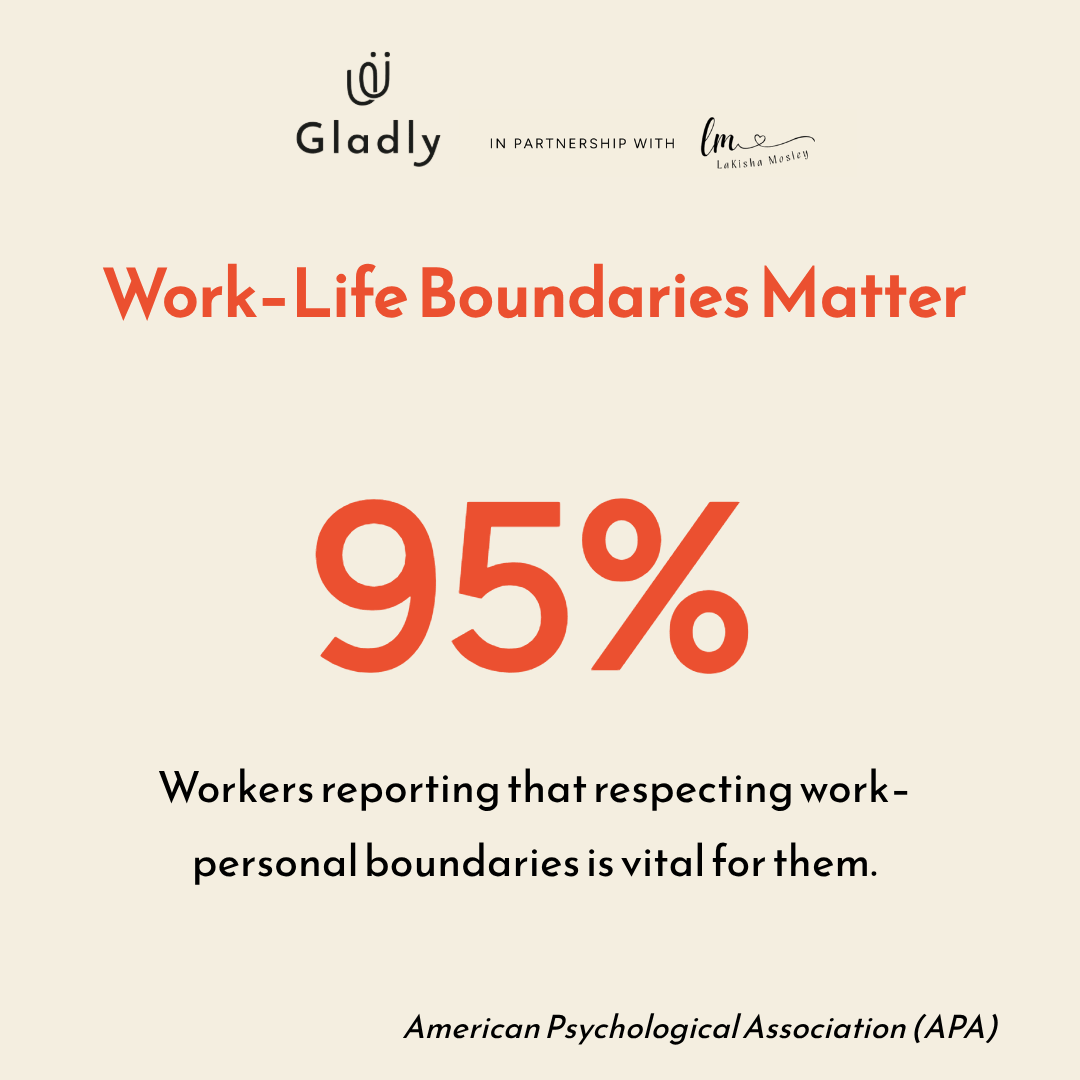
“You can’t take that call right now.” Our assistant’s voice stopped us in our tracks. We had just set a boundary, no client calls during strategy days, yet we were about to break it. Nine out of ten people are basically saying the same thing: “Don’t let work eat my whole life.” The APA found 95% of workers want their organizations to respect boundaries between work time and personal time.
And still, a lot of leaders struggle to model that out loud, so the culture keeps learning the wrong lesson.
Boundaries save businesses, mine included
Boundaries serve as leadership tools, not limitations. When we established clear working hours for our team, client satisfaction actually increased rather than declined.
Clear limits protect culture from slow erosion. The moment we allow “just this once” exceptions, we create cracks in our foundation. Deloitte reports that 59% of organizations expect to focus on reimagining work in the next few years, recognizing that traditional structures need boundaries.
Our revenue rose the year we got serious about scope creep and after-hours communication. Clarity came back to the team, focused, present, not yanked around by constant interruptions. When your people can think straight, the business follows.
What boundaries look like in real teams
Meeting-free Wednesdays transformed our productivity almost overnight. Teams need uninterrupted focus blocks to produce their best work. This simple boundary created space for deep thinking and creative problem-solving.
“Emergency” got redefined in our company handbook. Only matters that affect health or create major financial risk get immediate attention; everything else waits until morning. Only 40% of employees report their employer offers a culture where time off is respected.
PTO means Paid Time OFF, laptops stay home. We implemented a coverage system so nobody returns to hundreds of emails. Team members rotate responsibility for urgent matters, allowing everyone genuine disconnection during vacation.
Rest Keeps the Money Clean
Clarity requires quiet. Exhausted minds make expensive mistakes that cost more than taking proper rest would have. 10,000 respondents feel overwhelmed by workplace changes, affecting their ability to achieve organizational outcomes.
Regular breaks improve decision quality. Implementing micro-rest strategies like sensory awareness exercises reduced anxiety by 30% in just two weeks for our leadership team.
Those micro-rest moments need anchors. We started lighting Second Life Candles, clean-burning soy in repurposed vessels from a brand that gives back to community health. One candle in the quiet corner became our signal: this space is for resetting, not rushing.
These small pauses create room for wisdom to show up.
Rest before breakdown saves careers and companies. We schedule quarterly retreats where strategy happens in a rested state. Those periods of intentional rest prevented costly missteps. They also revealed opportunities we would have missed in our usual rushed state.
We put peace before profit. When we honor our human limits, we unlock sustainable growth that doesn’t burn through our most precious resource, our people.
What happens when peace becomes the plan?
That late-night grind wasn’t proving anything. It was just showing us what happens when we try to build on empty.
The world will keep yelling hustle. But baby, hustle without peace will run you dry, every time. Rest is wealth. Boundaries are growth. Wellness is the rhythm that keeps the work and the woman alive.
So keep choosing the pace that lets you stay whole. Keep building the kind of business that doesn’t ask people to bleed to belong. I’m saying what I’m saying.
And when you’re ready to let your everyday spending carry purpose too, come to Gladly. It’s free to join, you’ll find discounts on brands that give back, and every purchase lets your values show up in real life, not just in what you build, but in how you buy.